
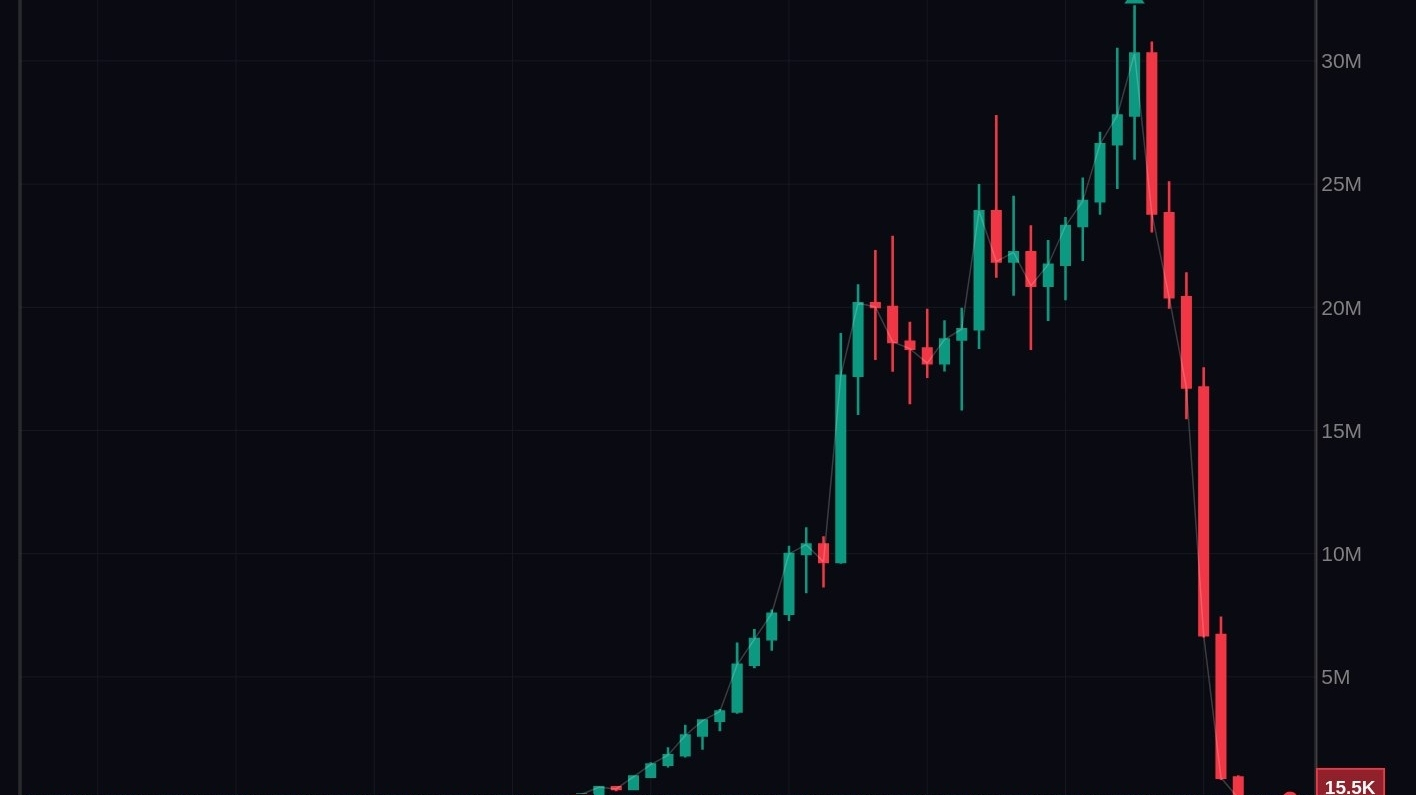
Web3 is evolving. The era of hype cycles is fading, and what remains are projects building real infrastructure. Among them, @SignOfficial stands out with a clear vision: creating digital sovereign infrastructure that enables trust at scale.
Today’s digital systems are broken in many ways. Identity is fragmented, verification is slow, and trust often depends on centralized authorities. This limits innovation and creates friction, especially in regions aiming for rapid digital transformation.
@SignOfficial addresses this by introducing on-chain verification and programmable trust. Instead of relying on intermediaries, users and institutions can verify credentials, identities, and data directly on-chain. This creates a system that is not only more efficient but also globally accessible.
The importance of this becomes even more evident in regions like the Middle East. As governments and enterprises push toward digital economies, they require infrastructure that is secure, scalable, and adaptable. Sign provides exactly that—a foundation for building next-generation digital services.
At the center of this ecosystem is $SIGN. It functions as the coordination layer, enabling transactions, incentivizing participation, and powering the network. More importantly, it ties users directly into the growth of the infrastructure itself.
What makes this narrative powerful is its longevity. Trends will come and go, but infrastructure remains. The protocols that enable identity, trust, and verification will define the next decade of Web3.
@SignOfficial is not chasing trends—it is building the rails for the future.
And with $SIGN, participants are not just observers—they are part of the system shaping tomorrow’s digital economies.