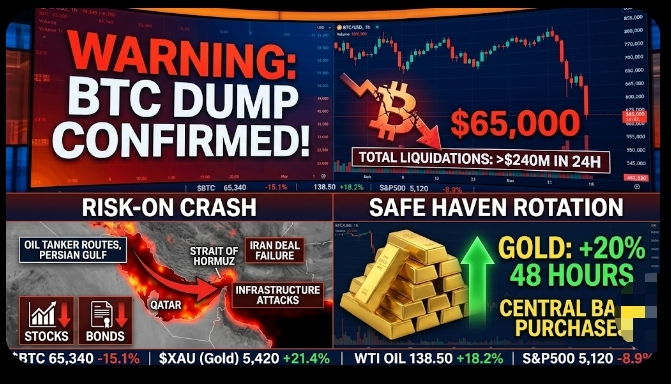
A partire da oggi, 28 marzo 2026, il panorama finanziario sta effettivamente reagendo a una serie di eventi geopolitici ad alto rischio nel Golfo Persico.
Ecco una ripartizione della situazione attuale per aiutarti a separare il rumore del mercato dai dati confermati:
1. Il fattore geopolitico: Iran & Lo Stretto di Hormuz
Il "Fallimento dell'accordo con l'Iran" e le successive escalation militari sono i principali fattori scatenanti del panico di questa settimana.
Il Ultimatum: È confermato che un ultimatum degli Stati Uniti di 48 ore è stato emesso all'inizio di questa settimana (intorno al 22 marzo) richiedendo la riapertura dello Stretto di Hormuz. Mentre una "pausa" temporanea di 5 giorni nelle minacce di attacco è stata successivamente segnalata per consentire potenziali colloqui, la tensione rimane critica.
Attacchi all'Infrastruttura: I rapporti confermano danni significativi alla Città Industriale di Ras Laffan in Qatar. QatarEnergy ha dichiarato forza maggiore su diversi contratti di GNL, con stime che suggeriscono una riduzione del 17% della capacità di esportazione che potrebbe richiedere anni per essere riparata completamente.
2. La Performance di Bitcoin ($BTC)
Hai ragione che Bitcoin ha faticato ad agire come "oro digitale" durante l'insorgere immediato di questo specifico conflitto.
Azione di Prezzo: Dopo aver scambiato vicino a $76.000 in precedenza, BTC ha affrontato una forte pressione di vendita. Al 28 marzo 2026, Bitcoin si aggira intorno all'intervallo di $65.000–$66.000.
Impatto della Liquidazione: La "vendita forzata" di cui hai parlato è un fenomeno reale; le istituzioni spesso liquidano asset liquidi come le criptovalute per coprire le chiamate di margine nei mercati azionari o obbligazionari in caduta.
3. La Rotazione dell'Oro "Bene Rifugio"
L'oro ha visto movimenti storici, anche se il "+20% in 48 ore" potrebbe essere una leggera sovrastima del movimento intraday immediato, la tendenza è indiscutibilmente rialzista.
Massimi Storici: L'oro ha toccato un picco enorme di $5.417 per oncia il 3 marzo dopo i primi attacchi del 28 febbraio.
Stato attuale: Dopo un po' di volatilità, l'oro ha tentato di mantenere il livello di $4.500 mentre gli investitori fuggono dagli asset "a rischio" (azioni e criptovalute) per la stabilità dei lingotti.