
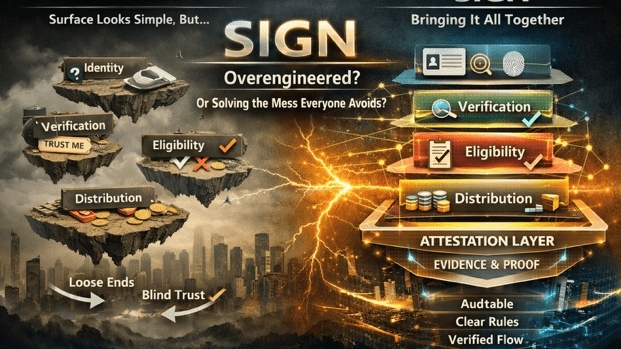

I woke up thinking about something strange… not fully formed, just a feeling sitting quietly in my mind. It felt like somewhere, something already knows who I am… not in a deep emotional way, but in a structured, almost mechanical sense. At first I brushed it off, thinking maybe I was overthinking again. But then the thought stayed, like it was waiting for me to look at it more closely.
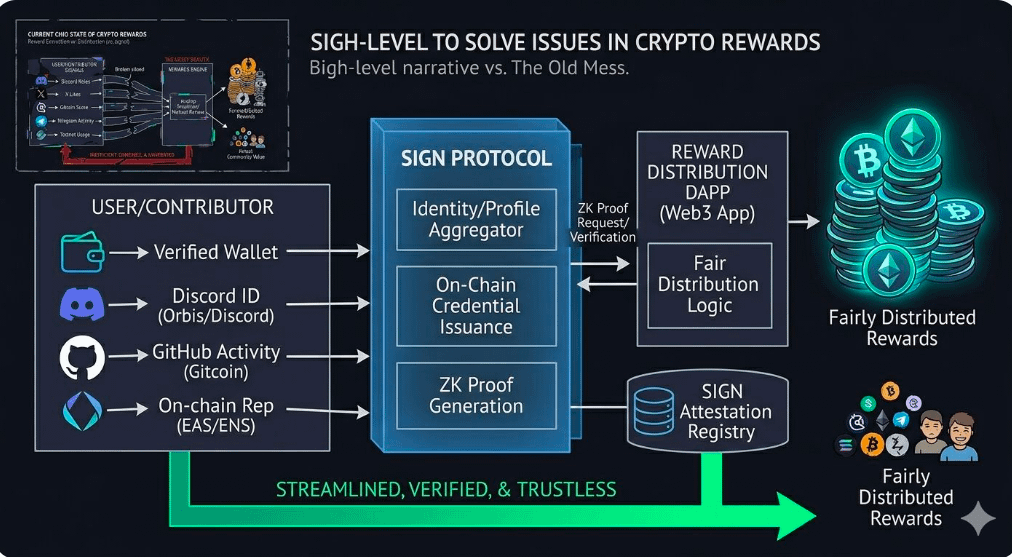
To be honest, I always believed identity was something personal… something I carry inside me. But now it feels like parts of it are being built outside of me, piece by piece. Every login, every action, every small confirmation becomes something recorded. And I didn’t really notice when these small pieces started forming something bigger than just convenience.
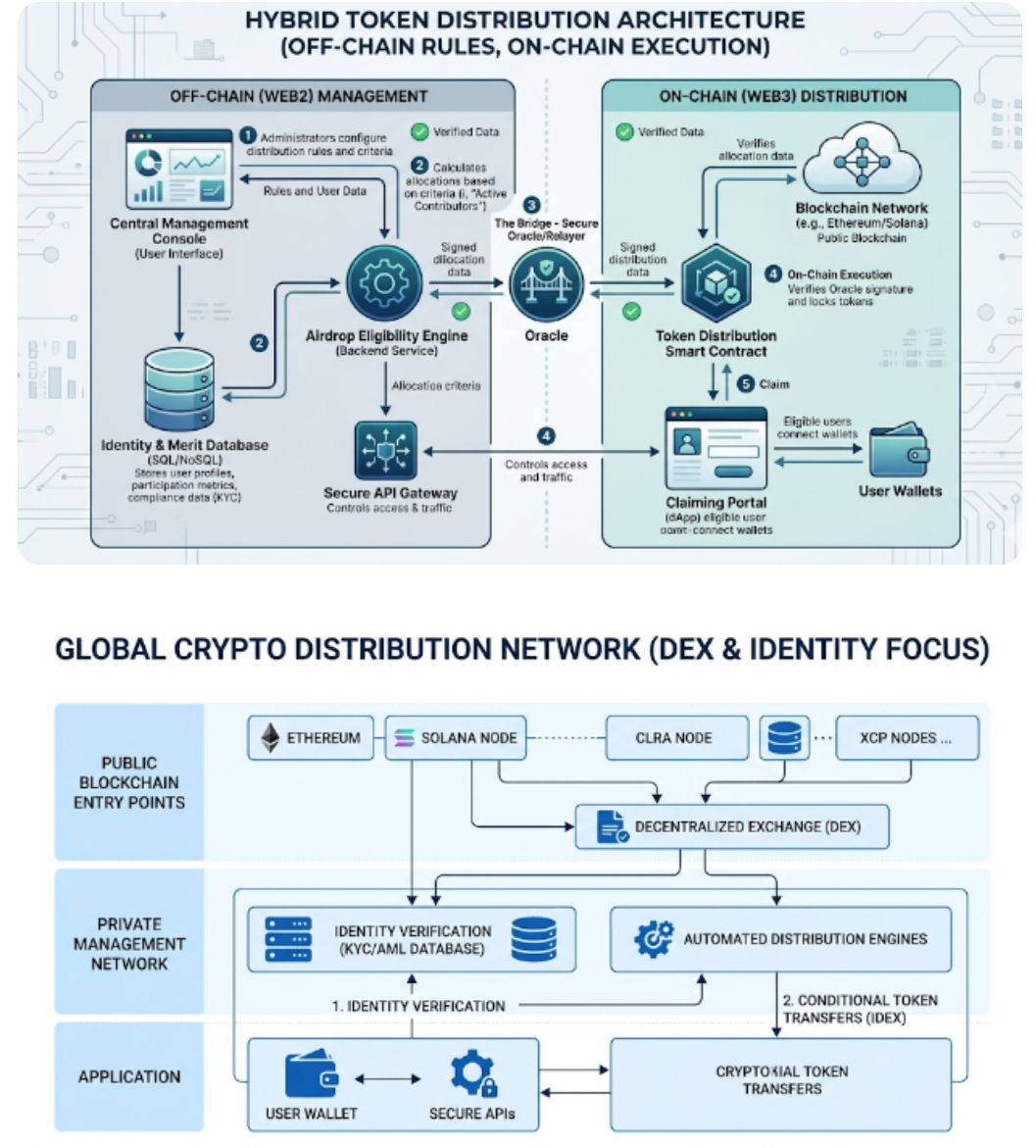
I was trying to understand how credential verification works on a global level… and honestly, it sounds simple when you say it quickly. You prove something once and then it is accepted everywhere. But real life is not like that. Trust is slow, it takes time, it needs context. So I kept wondering, how can a system carry trust across borders without losing something important along the way?
Then tokens came into my thoughts… not just as digital assets, but as proof of something real. It felt interesting at first, like a clever solution. Instead of explaining who you are, you just show evidence. But then I paused… because if all these tokens represent parts of me, do they slowly become the version of me that systems recognize more than I do myself?
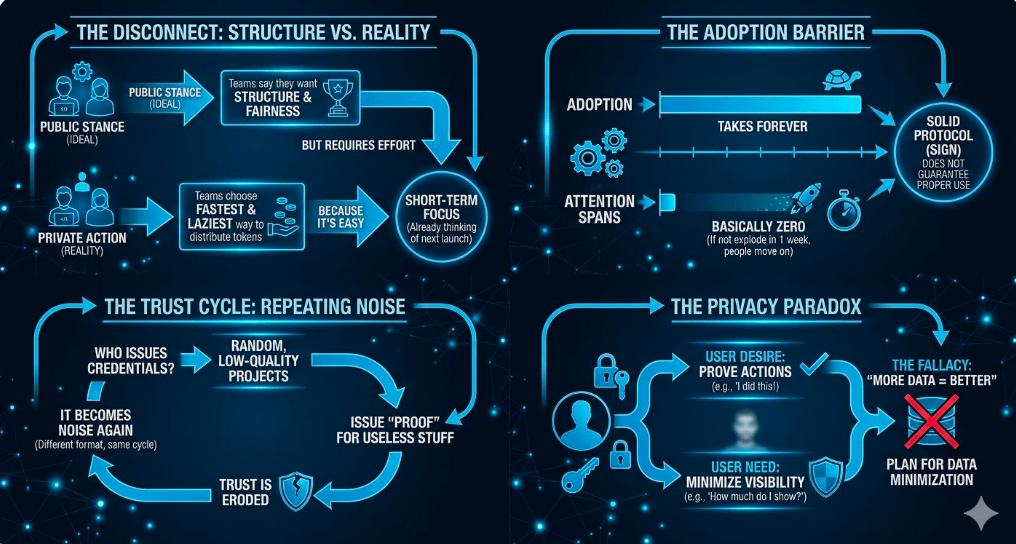
But here a question comes up… who decides what counts as valid proof? Because if there is a global infrastructure verifying everything, someone had to set the rules. And rules are never completely neutral. At first I thought decentralization would solve this, remove control from a single place. But then I realized… even without a center, influence still exists, just in quieter forms.
There is something subtle here that keeps pulling my attention back. Verification sounds technical, but it feels deeply human. It is about being believed without speaking, about being accepted without explaining. And I keep thinking… what happens when the system believes something about me that is no longer true? Can I change it easily, or does it stay fixed somewhere beyond my reach?
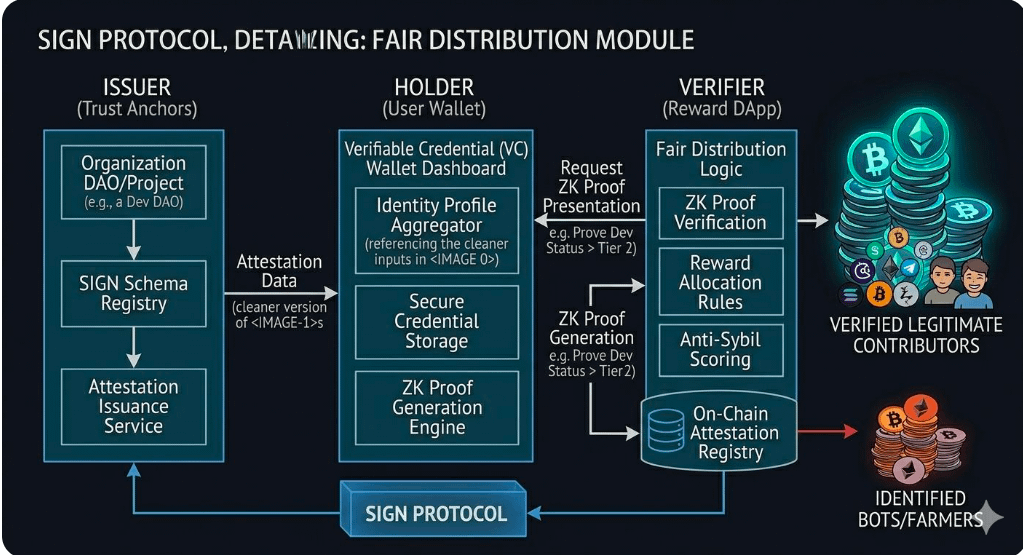
I started imagining a world where everything about you exists as verified proof… your education, your work, your actions. You do not introduce yourself anymore, you simply connect your credentials. It feels efficient, almost frictionless. But then I stopped and thought… people grow, they change, they make mistakes and learn from them. Proof does not always capture that journey.
And honestly… this is where things begin to feel complicated. Part of me sees the beauty in this system. Less fraud, faster trust, fewer barriers between people and opportunities. That sounds like progress. But another part of me feels uncertain, because once something becomes infrastructure, it fades into the background. And what fades into the background often stops being questioned.
Why has this not fully worked before… I keep coming back to that. Maybe because trust is not just about data, it is about feeling and timing. You can prove something is correct, but that does not always make it meaningful. And if people start relying on systems without understanding them, then the meaning of trust begins to shift quietly.
It seems simple at first… credentials moving, tokens verifying, systems connecting. But actually, it changes how identity is experienced. It turns something flexible into something structured. Something human into something measurable. And I am not sure if we fully understand what we might be losing in that transformation.
I am still thinking about it… still trying to make sense of whether this is something we are building intentionally or something that is slowly forming on its own. It feels important, but also incomplete. And I cannot ignore the feeling that we are already inside this system… even if we never clearly chose to step into it.