

I’ve been circling around the idea of Sign lately, trying to map out exactly how it fits into the ever-crowded landscape of credential verification and digital identity. What stands out to me is this constant tension between simplicity and control. On one hand, the architecture feels clean and efficient: credentials are issued once, verified through a distributed network of validators, and then reused seamlessly across platforms. It reduces friction and breaks away from traditional identity silos which is genuinely powerful.
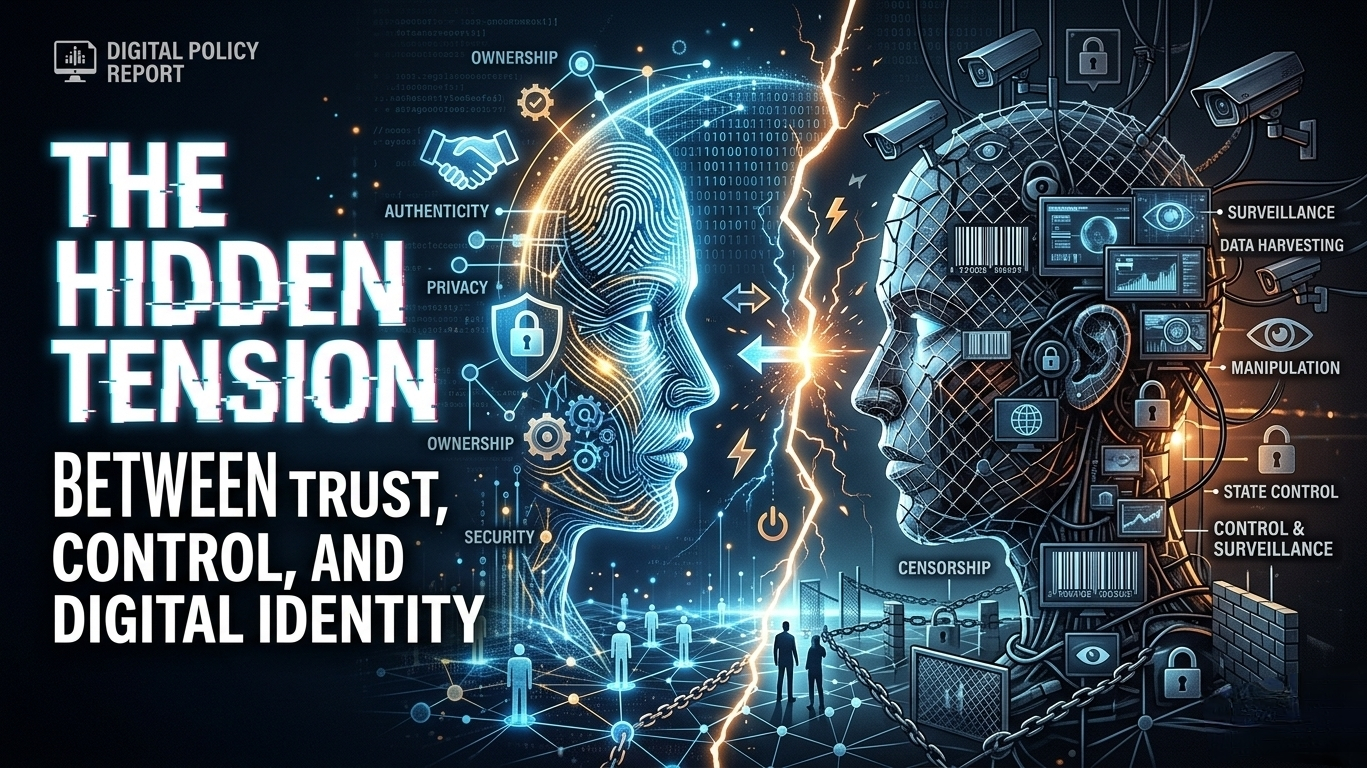
But the deeper I think about it, the more I question where that efficiency actually comes from. A large part of it depends on trust in validators. Even in a decentralized setup, there’s still a layer of influence who decides what counts as a valid credential? Over time, institutional patterns could quietly shape the system, reinforcing certain standards while excluding others. That’s where the balance becomes delicate: enabling open identity while unintentionally recreating hierarchy.
Another layer of complexity appears when looking at user experience versus protocol design. Features like light clients are incredibly promising especially for users in low-bandwidth regions. They make verification accessible without heavy infrastructure. But they also introduce new risks. Real-world conditions network failures, malicious actors, or small bugs can have ripple effects that aren’t immediately visible. The system is built for mobility and scale, but resilience under imperfect conditions will ultimately define its success.
Then there’s the question of who truly benefits. At first glance it empowers individuals by giving them portable, reusable identity. But at the same time, platforms gain the ability to outsource verification, reducing their own responsibility. That shift could reshape power dynamics in subtle ways, where convenience for platforms might outweigh control for users.
Privacy adds another important dimension. While Sign aims to preserve confidentiality, validators still require some level of data access to confirm authenticity. It’s a necessary compromise but still a compromise. The gap between practical privacy” and “true privacy is something many users may not fully understand. And in real-world adoption, these nuances matter more than theoretical guarantees.
What keeps pulling me back, though, is how Sign redefines identity as both fluid and standardized at the same time. That duality is powerful but also risky. In trying to make identity portable and universally verifiable, we might be shifting subtle control toward validator networks even if they’re not centralized in the traditional sense.
Ultimately Sign represents more than just a technical solution. It reflects a broader movement to formalize trust in the digital world. But trust isn’t purely technical it’s human shaped by behavior, incentives, and imperfect systems. No matter how elegant the protocol is, real-world adoption will test its assumptions in ways that no whitepaper can predict.
And maybe that’s the most important takeaway: Sign isn’t just building infrastructure it’s participating in redefining how trust works online. Whether that leads to greater empowerment or new forms of control will depend not just on the technology, but on how people choose to use it.
@SignOfficial #SignDigitalSovereignInfra $SIGN
