

#SignDigitalSovereignInfra #Sign
@SignOfficial The biggest challenge in Web3 isn’t technology—it’s adoption at scale.
Retail users can move fast. But governments and institutions? They operate under laws, compliance frameworks, and decades-old systems. For them, going on-chain isn’t just about using a wallet—it’s about preserving trust while upgrading infrastructure.
That’s where Sign Protocol becomes a game changer.
The Institutional Dilemma
Today, proving something “official” is still painfully outdated.
Whether it’s a degree, license, or property record, the process is slow, manual, and dependent on centralized databases. These systems are not only inefficient they’re vulnerable to errors, fraud, and delays.
Institutions want the transparency of blockchain, but they can’t expose sensitive data on public networks.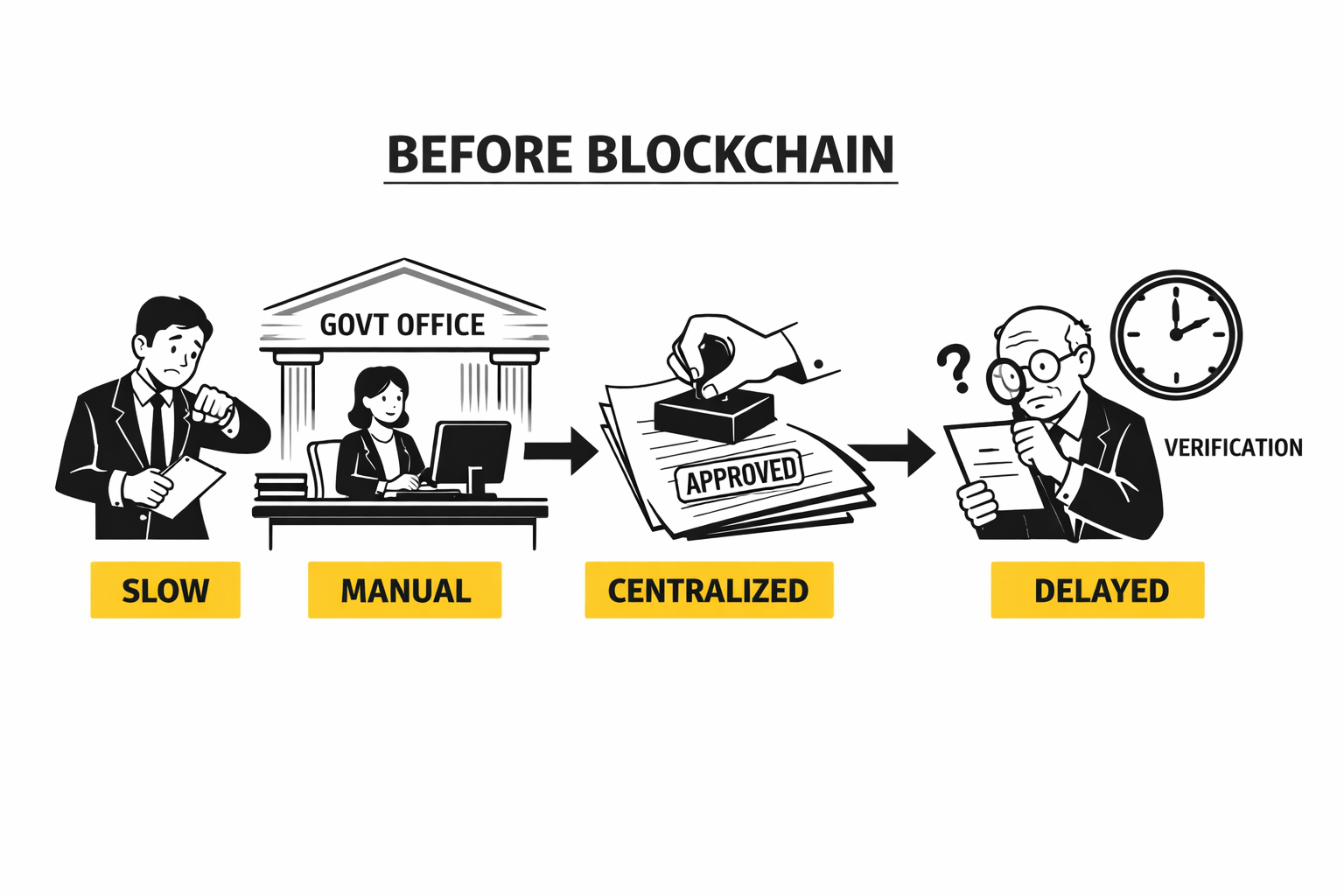 So how do they move forward?
The $SIGN Approach
SIGN doesn’t force institutions to abandon their requirements—it adapts blockchain to meet them.
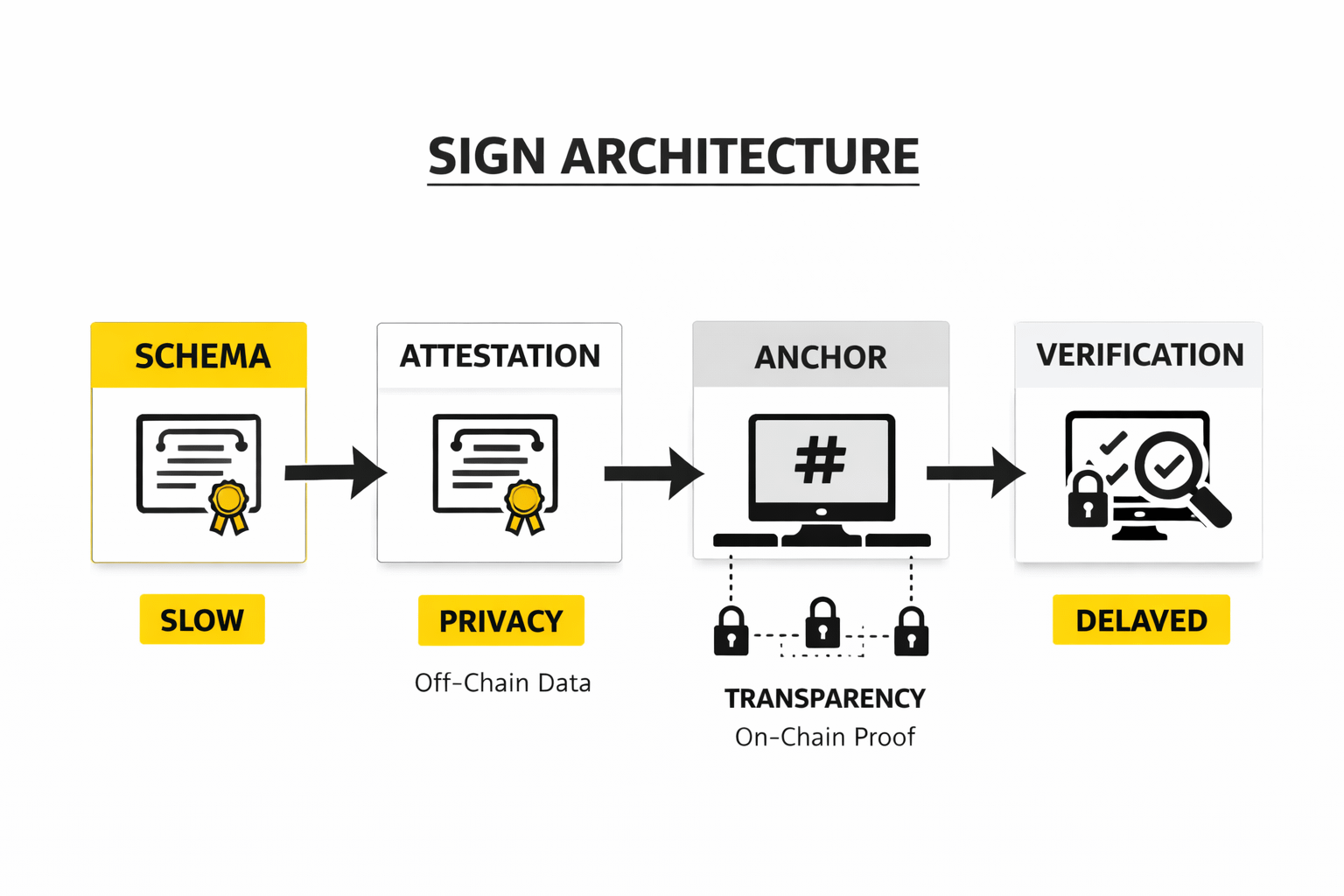
At its core is a schema-based system:
A Schema defines the structure of a record (like a diploma or ID)
An Attestation is the verified claim issued to an individual
A cryptographic Anchor is stored on-chain
Anyone can Verify it instantly
This means data can stay private, while proof remains public and tamper-proof.
A Real-World Example
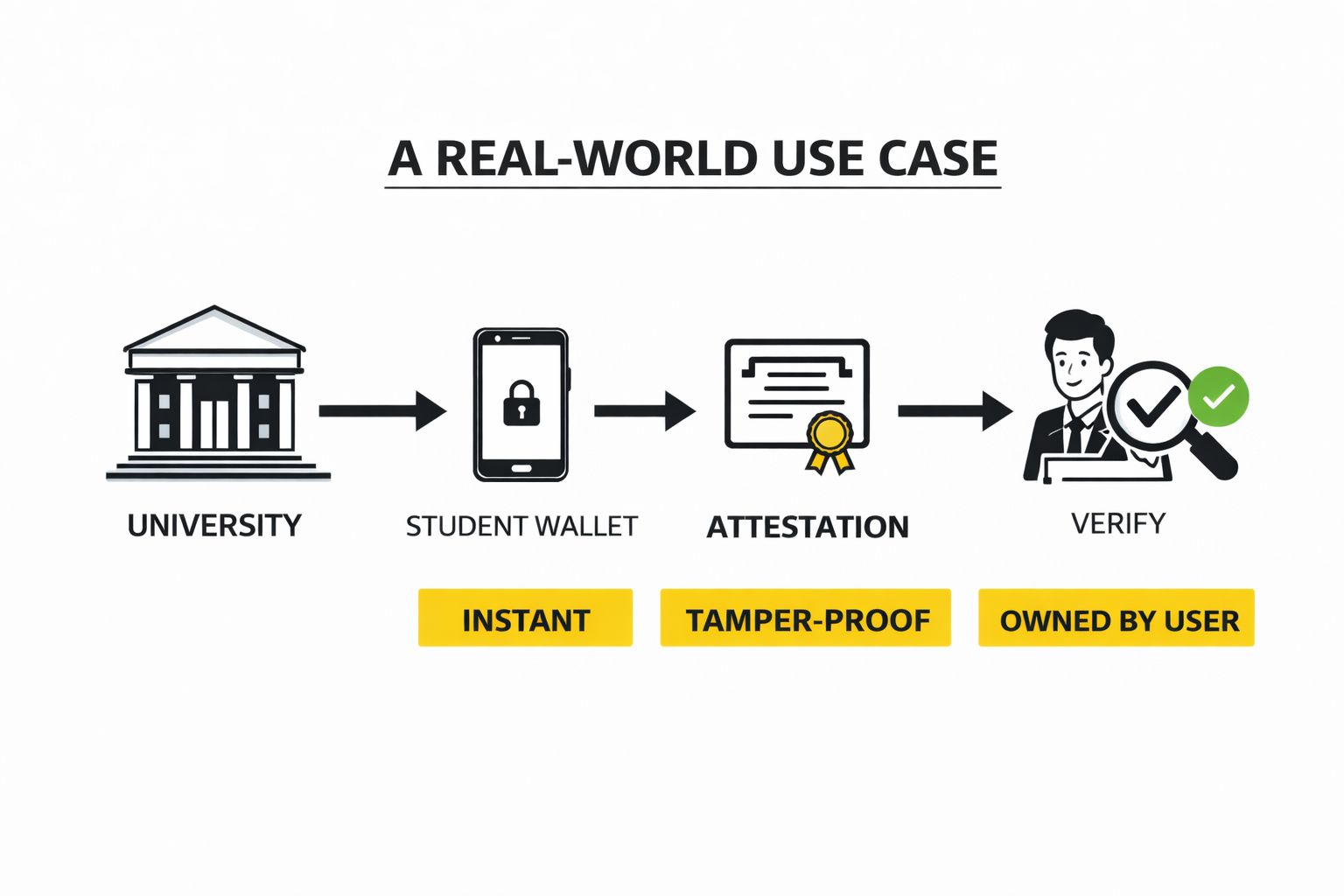
Imagine a Ministry of Education issuing diplomas.
Instead of maintaining massive databases, universities issue attestations directly to students. These records are:
instantly verifiable
owned by the individual
impossible to forge
No paperwork. No waiting. No intermediaries.
Built for Sovereign Scale
For governments, scale is everything.
They need systems that can handle millions of verifications across departments, regions, and even countries.
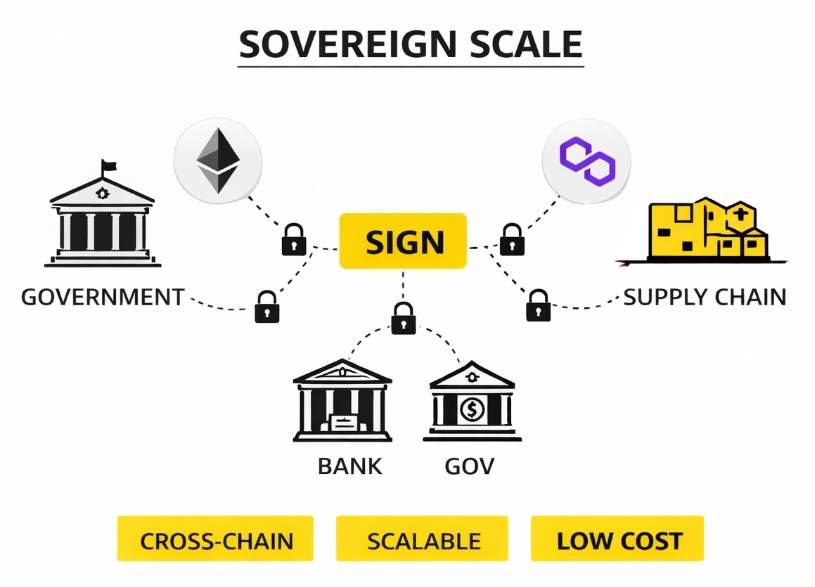
SIGN acts as a cross-chain verification layer, enabling:
low-cost validation
high-speed processing
interoperability across blockchains
It becomes the digital “sign-off” that makes something official.
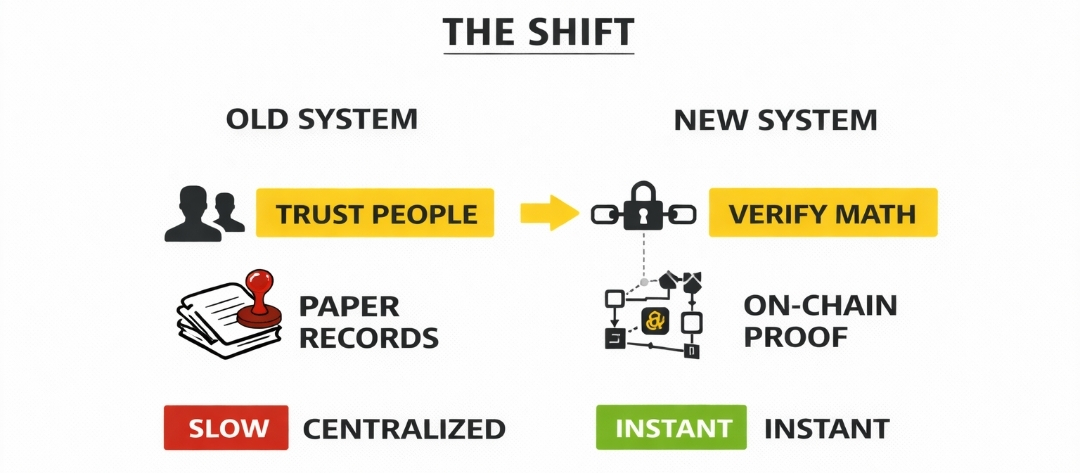
From Trust to Verification
What SIGN unlocks is a fundamental shift:
From trusting institutions blindly
To verifying proofs instantly
This doesn’t remove institutions—it strengthens them with cryptographic certainty.
Of course, adoption won’t happen overnight. Regulatory frameworks, legacy systems, and internal resistance will slow the transition.
But the path forward is becoming clear.
The Bigger Shift
The true power of SIGN isn’t just the signature it’s the schema.
It creates a shared digital language that allows institutions to communicate, verify, and operate seamlessly on-chain.
This is how governments and institutions finally bridge into Web3—not through disruption alone, but through structured, verifiable systems.
We’re moving toward a world where “official” no longer means slow.
It means secure, instant, and decentralized.
The paper trail is ending.
The Sign trail has begun.