
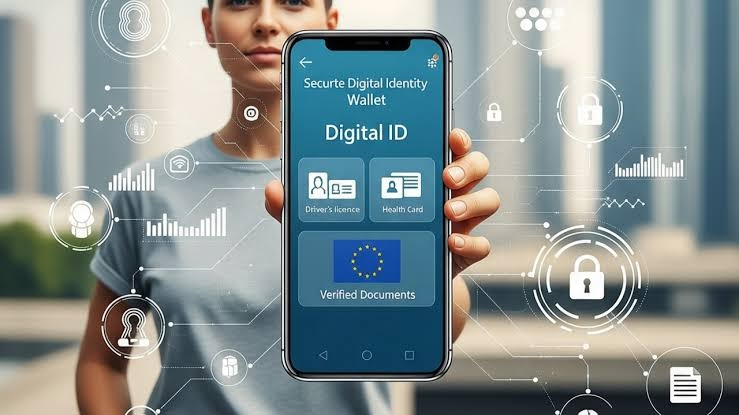
Not long ago, I believed digital identity was just about access — logins, passwords, and verification codes. But one shift changed everything for me: understanding that identity isn’t access… it’s ownership.
As I explored deeper, I realized how much control we’ve unknowingly handed over to centralized platforms. Our data, our behavior, even our digital presence — all stored and managed by systems we don’t truly own. That’s where the concept of digital sovereignty started making sense.
This is exactly why projects like @SignOfficial are gaining attention. Sign isn’t just another blockchain project — it’s positioning itself as a digital sovereign infrastructure, especially for regions like the Middle East where economic transformation is accelerating.
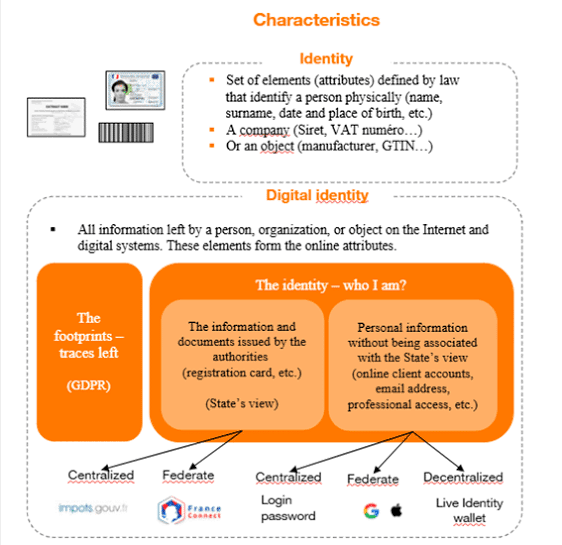
With $SIGN, the idea is simple but powerful: give individuals and institutions control over their digital identity while enabling secure, verifiable interactions without exposing sensitive data. This becomes even more critical in emerging digital economies where trust, compliance, and scalability must coexist.
What makes this shift important for the Middle East is the region’s push toward digital economies, smart governance, and cross-border innovation. A sovereign identity layer like Sign can act as a backbone — connecting users, businesses, and governments through trustless yet secure systems.
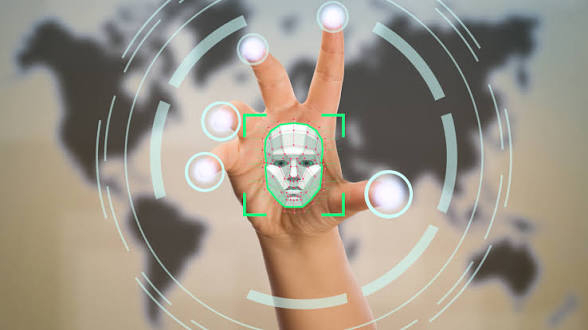
Instead of relying on fragmented identity solutions, a unified infrastructure powered by #SignDigitalSovereignInfra could unlock new economic opportunities — from digital finance to secure data exchange — all while preserving privacy.
That’s when it clicked for me: digital identity isn’t just a feature of the internet anymore… it’s becoming the foundation of future economies.
And with projects like $SIGN leading this shift, we’re not just talking about technology — we’re witnessing the early stages of a more secure, user-owned digital world.