
#asianstockplunge #AsianCrypto
📌Crollo delle azioni asiatiche: cause, segnali di mercato e cosa significa per gli investitori
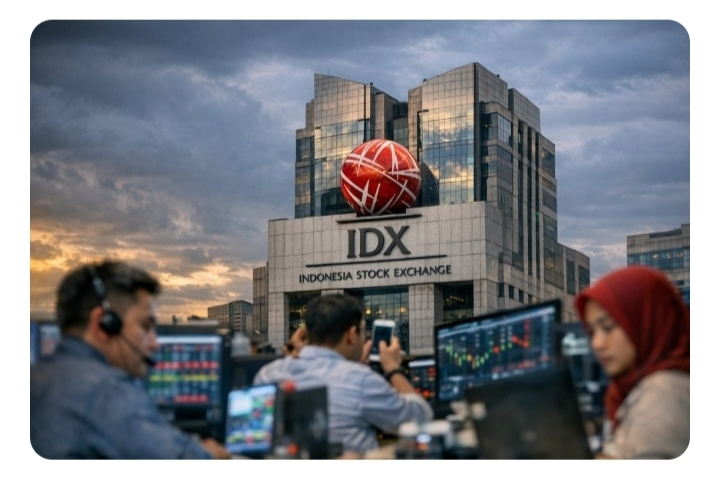
I mercati azionari asiatici hanno recentemente subito un forte calo, riflettendo una combinazione di incertezze economiche globali, tensioni geopolitiche e condizioni finanziarie in restringimento. Indici principali come il Nikkei 225, l'Hang Seng Index e il Composite di Shanghai hanno registrato tutte perdite significative, segnalando un sentimento di avversione al rischio più ampio nella regione.
Motivi chiave dietro il crollo
1. Pressione sui tassi di interesse globali
Le banche centrali, in particolare la Federal Reserve, continuano a mantenere tassi di interesse più elevati per combattere l'inflazione. Questo ha rafforzato il dollaro statunitense e ha ritirato capitali dai mercati asiatici emergenti. Gli investitori tendono a spostare fondi verso attività più sicure e con rendimenti più elevati negli Stati Uniti, mettendo pressione sulle azioni asiatiche.
2. Segnali Economici Deboli dalla Cina
La Cina, il motore economico dell'Asia, ha mostrato segni di rallentamento della crescita. Le preoccupazioni riguardo al suo settore immobiliare, ai cali delle esportazioni e alla debole domanda dei consumatori hanno gravato pesantemente sulla fiducia degli investitori regionali. Quando la Cina rallenta, le economie vicine avvertono gli effetti a catena.
3. Tensioni Geopolitiche
Le tensioni in corso in Medio Oriente e l'incertezza riguardo alle relazioni tra Stati Uniti e Cina hanno aumentato la volatilità del mercato. Gli investitori in genere reagiscono ai rischi geopolitici riducendo l'esposizione alle azioni, specialmente nei mercati emergenti.
4. Volatilità della Valuta
Le valute asiatiche si sono indebolite rispetto al dollaro statunitense, rendendo le importazioni più costose e aumentando le pressioni inflazionistiche. Questo scoraggia ulteriormente gli investimenti esteri nei mercati azionari regionali.
5. Presa di Profitto Dopo i Rallentamenti
Molti mercati asiatici avevano precedentemente registrato forti guadagni. Il recente crollo è in parte dovuto agli investitori che chiudono i profitti, innescando un'ondata di vendite.
Reazione del Mercato e Comportamento degli Investitori
Il crollo ha avuto una base ampia, colpendo settori come tecnologia, manifattura e finanza. Le azioni tecnologiche ad alta crescita, in particolare a Hong Kong e in Corea del Sud, sono state colpite più duramente a causa della loro sensibilità ai cambiamenti dei tassi di interesse.
Allo stesso tempo, gli asset rifugio come l'oro e i titoli di stato statunitensi hanno visto un aumento della domanda, evidenziando un cambiamento verso la cautela.
È Questa una Flessione Temporanea o una Correzione Più Profonda?
Ci sono due prospettive principali:
Prospettiva a Breve Termine:
Alcuni analisti sostengono che questa sia una correzione sana dopo condizioni di eccesso di acquisto. Se l'inflazione si stabilizza e i tassi di interesse raggiungono il picco, i mercati potrebbero riprendersi.
Preoccupazione a Lungo Termine:
Altri credono che problemi strutturali—soprattutto in Cina—potrebbero portare a una debolezza protratta nei mercati asiatici.
Cosa Dovrebbero Osservare gli Investitori
Future decisioni da parte della Federal Reserve
Misure di stimolo economico della Cina
Movimenti dei prezzi del petrolio e tendenze inflazionistiche
Sviluppi geopolitici
Conclusione
Il crollo delle azioni asiatiche non è causato da un singolo fattore, ma piuttosto da una combinazione di inasprimento finanziario globale, preoccupazioni economiche regionali e cambiamenti nel sentiment degli investitori. Sebbene la volatilità possa persistere nel breve termine, potrebbero emergere opportunità a lungo termine per investitori disciplinati che monitorano attentamente le tendenze macroeconomiche.
In tempi incerti come questi, la pazienza e la decisione strategica diventano più importanti che mai.$ETH
