

smart contracts paper last semester. professor explained middleware hooks. not blockchain. just the general software pattern. custom logic injected into a predefined execution flow without touching the core system. web server middleware was the example. request comes in. your code runs. request continues. or gets rejected if your code says no.
i forgot about that lecture for months. last week i was reading Sign Protocol's advanced developer documentation. not the getting started section. the actual technical layer. i found Schema Hooks. went back and found my middleware notes.
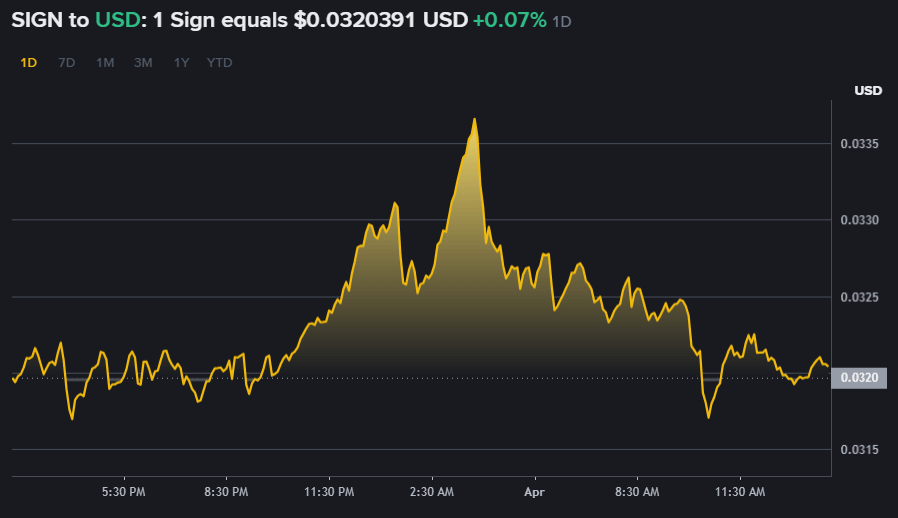
$SIGN is at $0.0324 today. market cap $53M. 1.6B circulating out of 10B max. 75% below ATH. April 1, 2026.Sign Protocol Price Today

Schema Hooks in Sign Protocol are Solidity smart contracts that attach to a schema and run automatically every time an attestation is created or revoked under that schema. if the hook reverts, the entire attestation transaction reverts. schema creators have full programmatic control over who can attest, under what conditions, and what happens at the moment of attestation.
the whitelist case in the docs is the simplest version. a WhitelistHook contract checks whether the attester address is approved before allowing the attestation. only approved parties can issue attestations under that schema. enforced at the contract level, not the application layer. an application-layer whitelist can be bypassed if someone calls the contract directly. a Schema Hook cannot. it sits inside the same transaction.
this is why it matters for real deployments. payment logic is another use case. a hook can require ERC20 payment before an attestation is created. an attestation-gated service charges automatically every time someone attests. no manual invoicing. no separate payment flow. the fee collection is inside the attestation transaction itself.
custom application conditions are the third case. a hook that verifies attestation data meets specific conditions before allowing it. a hook that updates another contract's state when an attestation is created. any logic expressible in Solidity can live inside a hook.
for government deployments this is significant. a national ID schema with a hook that only allows government-authorised issuers to create attestations. a benefits distribution schema with a hook that verifies the recipient holds a valid identity attestation before the distribution goes through. compliance rules embedded inside the transaction. not layered on top of it.
Sign Protocol's smart contracts are deployed natively on EVM chains, Starknet, Solana, and TON. hooks are chain-specific. a hook on Ethereum runs for Ethereum attestations. a BNB Chain hook runs for BNB Chain attestations. SignScan indexes everything across all chains regardless.
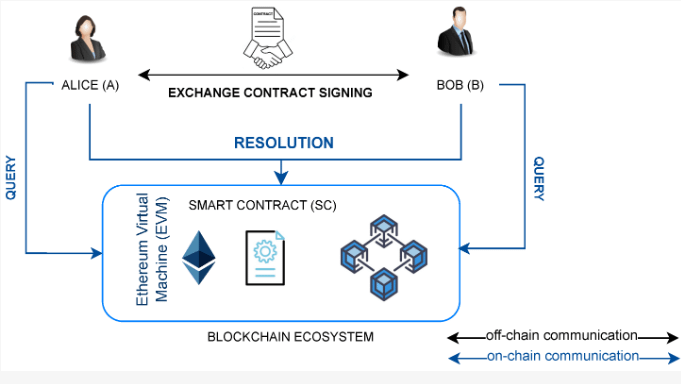
the honest part. Schema Hooks are a powerful developer primitive. powerful primitives require developers to find them, understand them, and use them in production. the interface is documented and open under the EthSign GitHub organisation. whether real applications are using Schema Hooks in live deployments right now i cannot verify from the docs alone. GitHub activity would tell me more than the documentation.
which Schema Hook use case matters most for real adoption. whitelist control, payment logic, or custom compliance conditions? tell me in comments.
#SignProtocol #SIGNtoken #SignDigitalSovereignInfra $SIGN @SignOfficial