


Sometimes I catch myself just staring at this idea of trust—like it's something you can actually pick up and pass 🥹around. Sign is basically trying to make that real by turning credentials into portable, reusable 🙌 proofs that you can verify once and then carry with you across different places without starting from scratch @SignOfficial every time.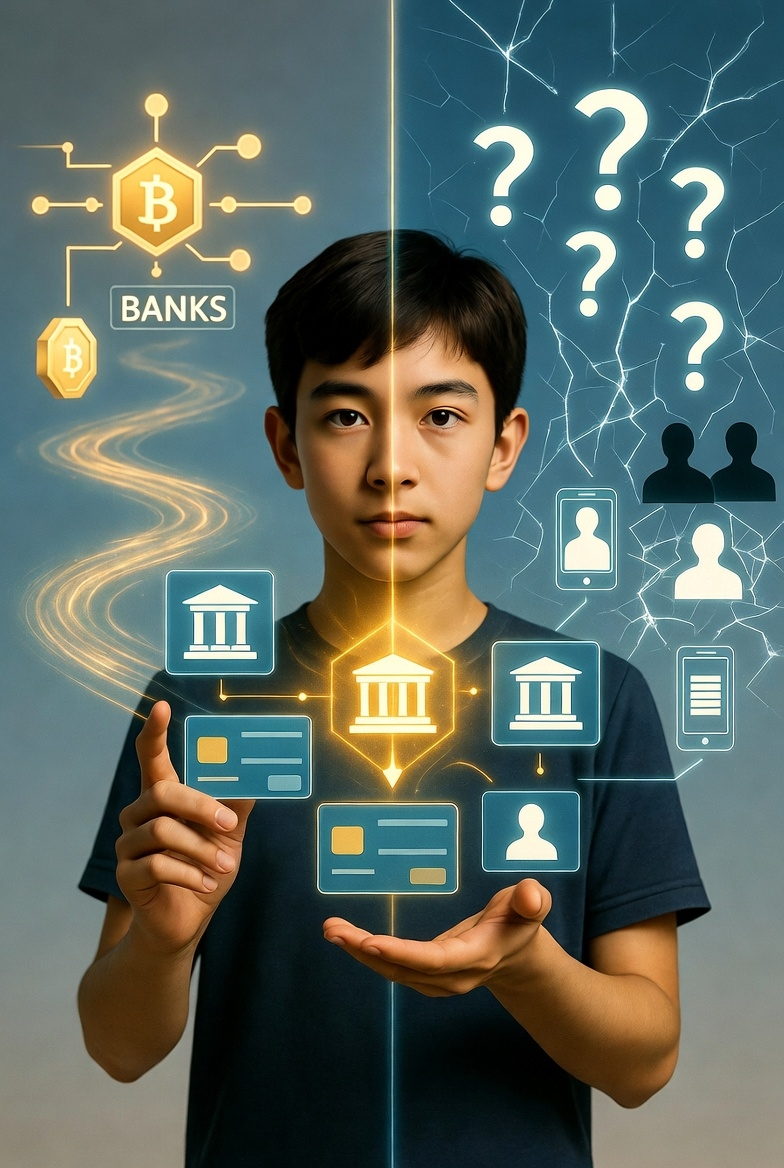
On paper it sounds🫠 pretty clean: you get a credential from an issuer,😍 validators check it, and then you can use that proof wherever you go. They use staked 🍼tokens and slashing to keep people honest, which feels😟 like a smart way to line up the incentives. But then I start wondering about the messy parts 😞that always show up in real life.
What happens when👀 not enough people are using it yet, or when big institutions are dragging their feet? The setup separates issuing from verifying, which should help it scale, but I keep thinking about the edge ✊cases. Like $SIGN what if a shady issuer sneaks in before anyone catches it? Or a verifier acts weird because they don't have the full picture?😫 There's also that tricky balance between showing enough to prove something without accidentally leaking personal stuff.
Then there's the everyday side of it—will it actually feel easy to use when I'm juggling a bunch of different credentials? 🙃And will big organizations trust this network enough to rely on it without a human double-🙂checking everything? I get why reducing all that repeated verification is😁 appealing it's annoying and time-consuming #SignDigitalSovereignInfra but squeezing it all into one system also means any screw-up could hit harder.
I like the basic idea of having this shared layer for verification and the accountability that comes with staking. Still, you know how the real world is—it loves 💔finding the little cracks. Uneven adoption, validators not showing up 😆consistently, confusing interfaces... any of that could create problems the clean theory doesn't prepare for. Especially😅 in high-stakes stuff like banking or government services.
At the end of the day, I'm left with this tension: the dream of smooth, portable trust versus all the human, institutional, and technical headaches that could get in the way. It's 😋an interesting attempt to make trust more modular and reliable, but whether it 🍔actually works out will depend on how it handles all the unpredictable stuff outside the code. Real scenarios😂like slow rollout in certain countries or verifiers who aren't properly motivated—might expose weaknesses pretty fast.
It's one of those projects that makes you keep thinking about how🤭 trust actually works in practice. No clear answers🥺 yet, just a lot of interesting questions.