
I’ve been following crypto projects for years, and one thing I’ve learned is that the space is full of ideas that sound amazing on paper but rarely survive first contact with reality. That’s why when I first saw SIGN and its pitch as a “global infrastructure for credential verification and token distribution,” I didn’t immediately get excited. The words are big, technical, and kind of abstract. But as I dug deeper, I started noticing things that made me pay attention.
What strikes me first is that SIGN isn’t trying to be just another token for trading or a quick hype project. It’s built around verifying identities and distributing tokens in a meaningful way. The system can take real-world credentials — IDs, certifications, or other proof of identity — and tie them securely to blockchain records. I’ve seen other “decentralized identity” projects fail, mostly because they never had real-world utility. SIGN feels different because it’s already being used in some pilot programs and integrations, which suggests there’s more than just talk behind it.
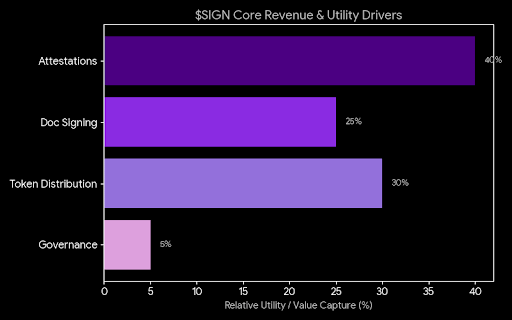
The recent leaderboard campaign caught my eye, too. They’re running it on Binance Square, and the idea is simple: engage with the project, complete some tasks, and earn points to climb the leaderboard for SIGN token rewards. At first, I thought it would just attract people looking to farm tokens — and it does — but it also drives conversation and attention to the project. I’ve seen this pattern before: short-term excitement can fade fast if there’s nothing to keep people engaged. That’s what I’m curious about here — whether these campaigns translate into real, lasting engagement rather than just temporary activity.
What’s really interesting, though, is the infrastructure underneath. SIGN is not just a rewards engine. It’s a multi-chain platform that handles on-chain verification, secure token distribution, and even integrations with other ecosystems. They’ve reportedly deployed pilots in countries like the UAE, Thailand, and Sierra Leone. Whether these pilots turn into sustainable adoption is still uncertain, but it’s encouraging to see the project moving beyond theory into real-world testing.
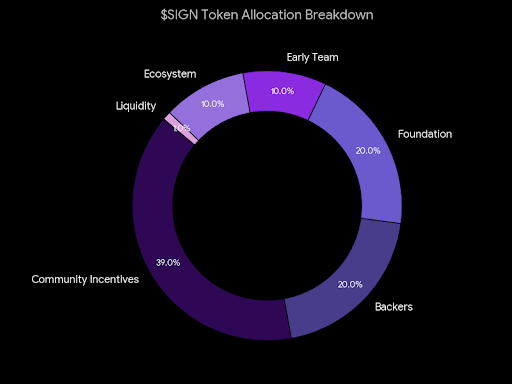
The token mechanics are worth noting, too. A large portion of SIGN tokens are held back for future incentives and ecosystem growth, which is normal for early-stage projects. But it also means that trading volumes can be thin, and short-term price swings are possible. It’s a reminder that while the infrastructure might be solid, the market behavior can still be unpredictable.
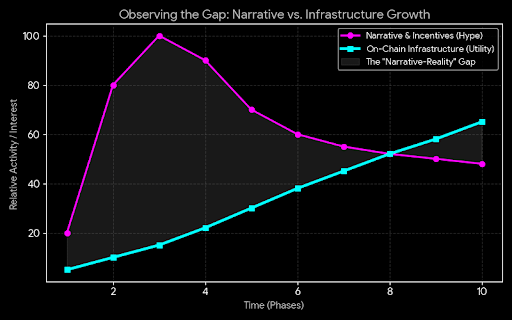
I also noticed that SIGN is trying to involve developers through hackathons and creative incentives. That’s a smart approach — if developers start experimenting organically, it can lead to real adoption. But history shows that hackathon interest often fades quickly unless there’s a sticky reason to keep building. So this is something to watch over time.
What stands out to me overall is the focus. SIGN isn’t trying to do everything at once. It’s carving a niche where identity verification, compliance, token distribution, and multi-chain functionality intersect. If executed well, that could be very powerful. But execution is always the tricky part — too broad, and you lose focus; too narrow, and the ecosystem ignores you.
Where does that leave me? I’m not rushing to make any conclusions. The leaderboard campaign shows initial interest, but the real test will be sustained activity. Will developers keep building? Will enterprises continue using it beyond pilot programs? Will the token see real utility rather than just speculative trading? For now, I’m taking a “watch and see” approach. It’s a project with potential, but it’s still early days, and the market will ultimately decide if it holds up.
In the end, SIGN feels like a project worth keeping an eye on. It’s not flashy, it’s not a quick get-rich scheme, but it has a tangible use case and real activity behind it. I’ll be observing how it develops, especially once real adoption and meaningful usage start to show. There’s promise here, but like many infrastructure projects, time and execution will tell the full story.
#SignDigitalSovereignInfra @SignOfficial $SIGN