


While markets panic and traditional systems crumble, one project is quietly becoming the digital backbone for sovereign nations.
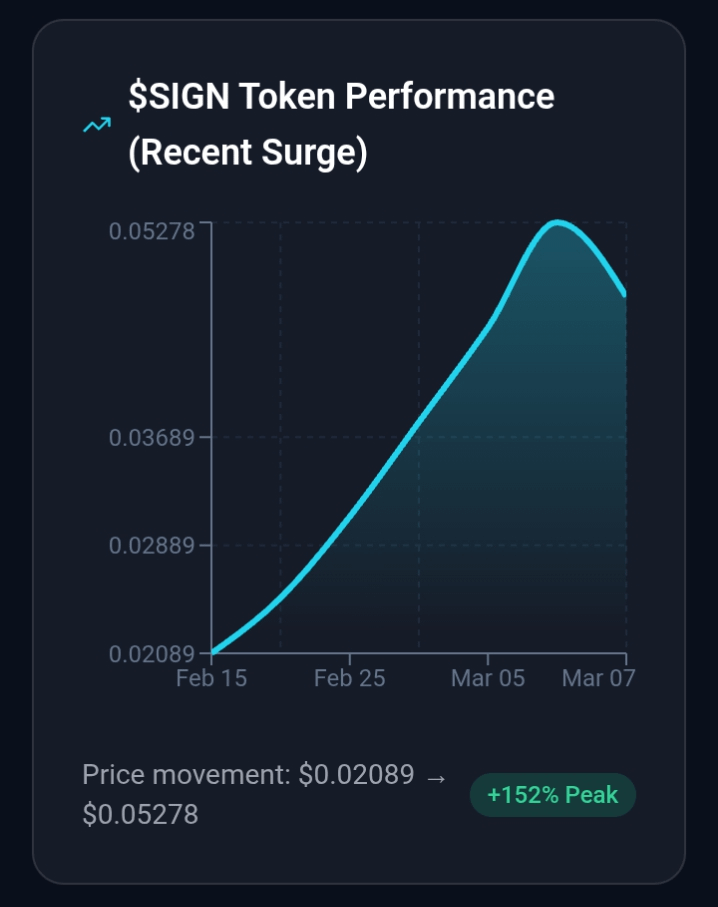
The $SIGN token isn't just surging—it's signaling a fundamental shift in how governments approach digital sovereignty.
Picture this: It's a Tuesday morning in Bishkek, Kyrgyzstan.
The National Bank just processed its millionth digital currency transaction using infrastructure that didn't exist eighteen months ago.
Meanwhile, in Freetown, Sierra Leone, a farmer verifies her land ownership through a blockchain attestation that took seconds, not months.
What's connecting these stories? A Four-letter answer: SIGN.
Let's be honest about something.
When most people hear "blockchain for governments," they picture overpriced pilot programs that never leave the PowerPoint stage.
But Sign Global is playing a different game entirely.
While other projects are still writing whitepapers, Sign has already deployed live infrastructure with three sovereign nations—and that's just the beginning.
The recent 100%+ surge in $SIGN token price isn't speculative frenzy.
It's the market waking up to something fundamental: in an era of geopolitical uncertainty, cyber warfare, and fragile centralized systems, nations need a "digital lifeboat." They need infrastructure that keeps working when everything else fails.
The SIGN Stack: Three Pillars of Sovereign-Grade Infrastructure
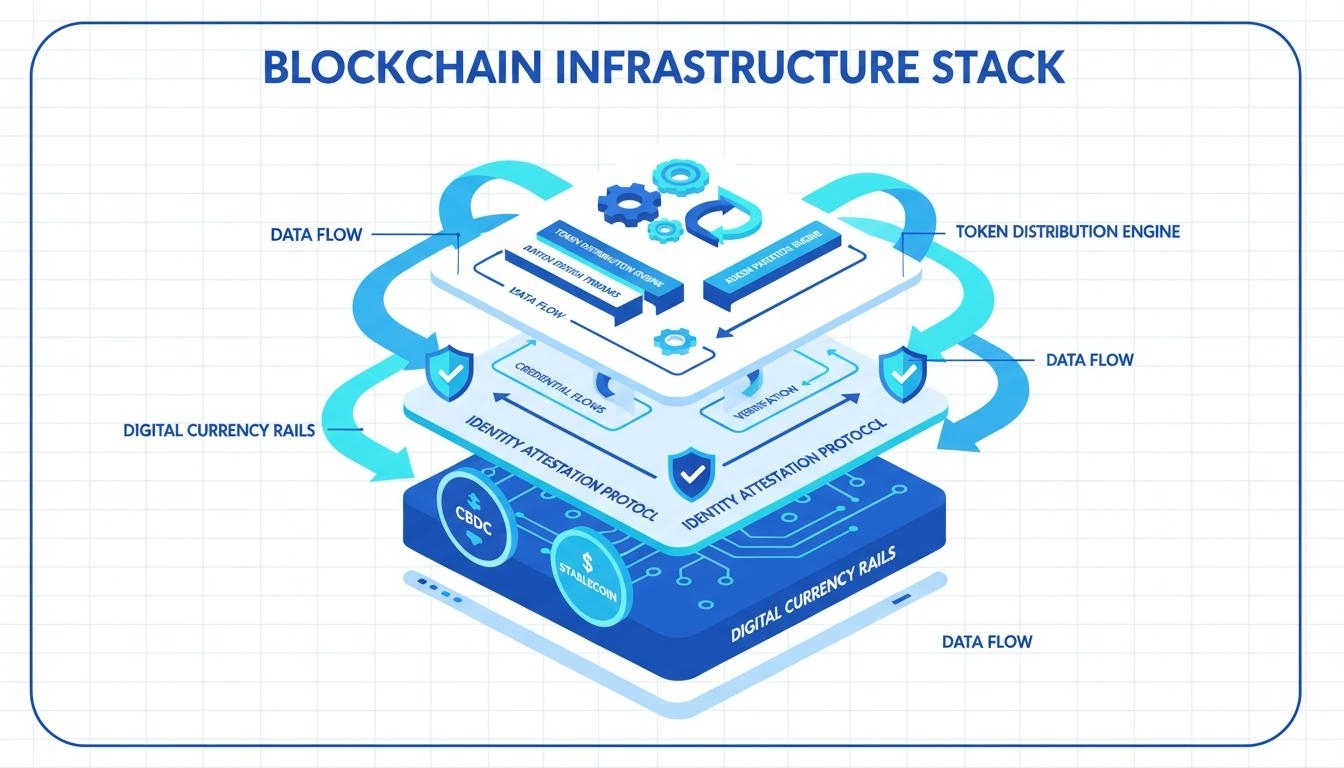
Here's where it gets interesting. Sign isn't building a single product—they're constructing a complete digital infrastructure stack that mirrors what modern nations actually need.
Think of it as the operating system for digital sovereignty.
Digital Currency Rails
Dual-path blockchain architecture supporting both public stablecoins and private CBDC infrastructure with 200,000+ TPS capability through Hyperledger Fabric X.
Sign Protocol
Omni-chain attestation system for verifiable credentials, identity proofs, and tamper-proof records with zero-knowledge privacy preservation.
TokenTable
Automated distribution engine for benefits, subsidies, and capital programs with programmable vesting and conditional logic.
The Identity Revolution: Why Self-Sovereign Identity Changes Everything
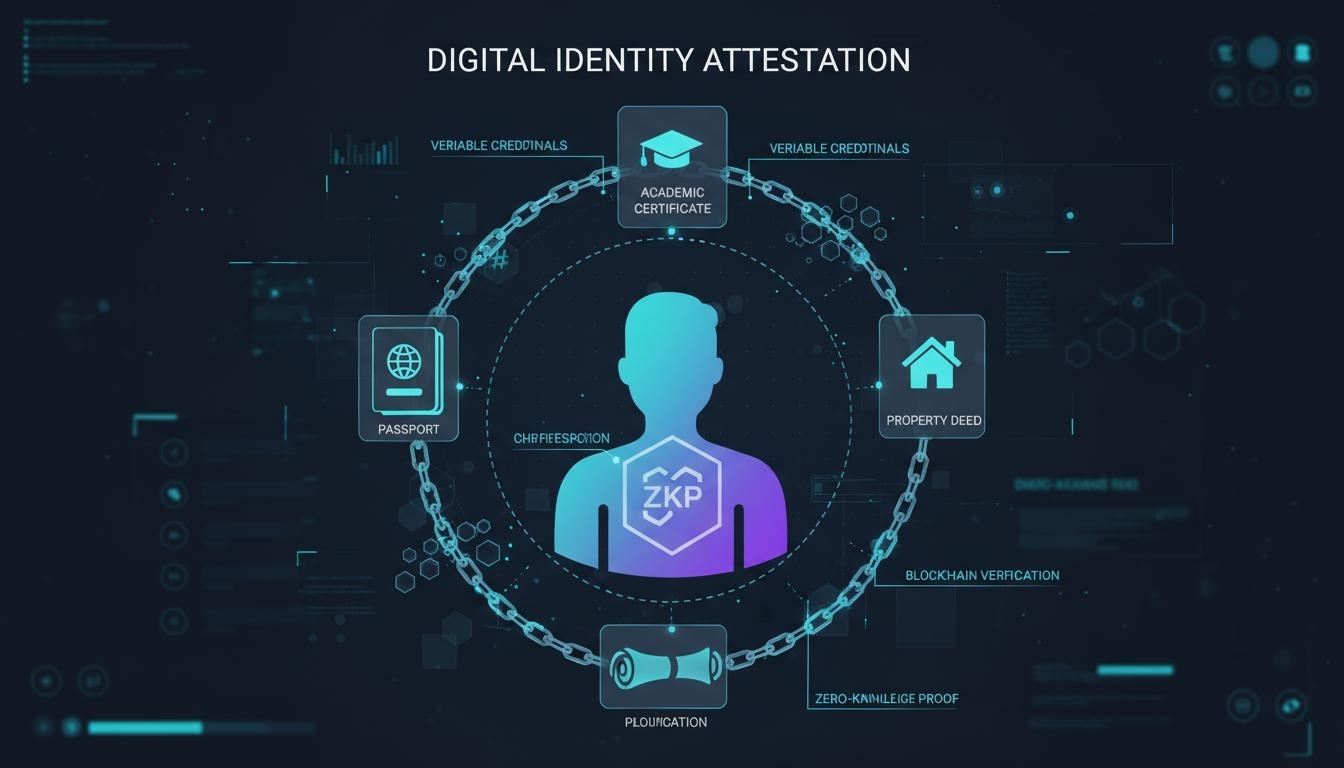
Let me share a perspective most crypto analyses miss.
In Sierra Leone, two-thirds of citizens lack access to financial services—not because there's no infrastructure, but because they can't prove who they are.
It's a stark reminder that identity isn't just a feature.
It's the foundation everything else builds on.
Sign Protocol approaches this differently. Instead of governments owning citizen data in centralized databases (prime targets for hackers), attestations are issued on-chain with zero-knowledge proofs.
Citizens control their credentials. Governments verify without storing.
It's a paradigm shift that respects both sovereignty and privacy.
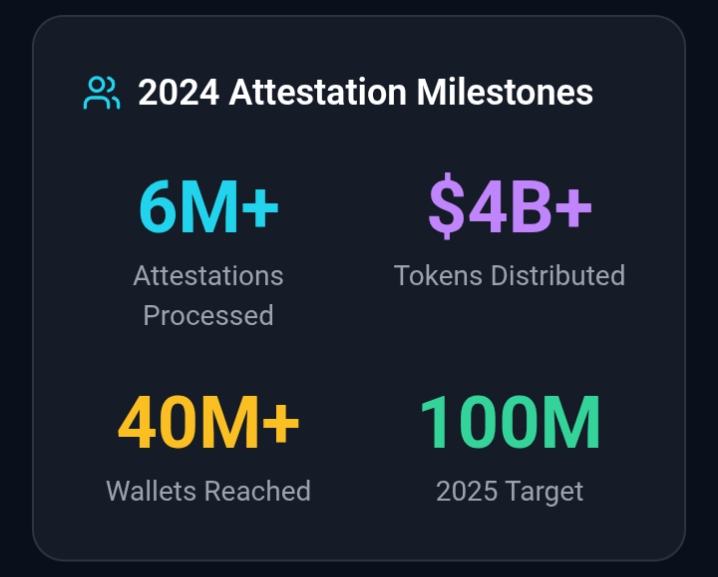
The CBDC-Stablecoin Bridge: Best of Both Worlds
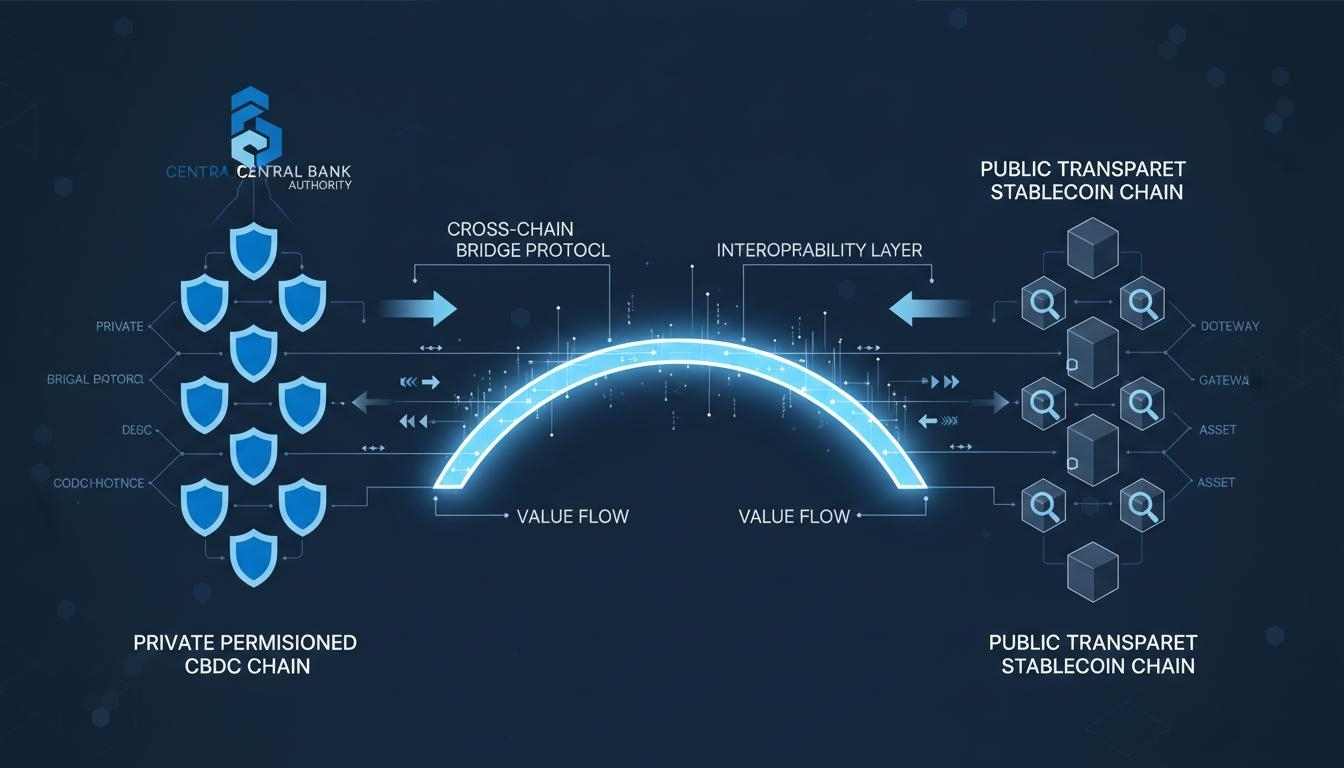
One of Sign's most elegant innovations is the bridging infrastructure between private CBDC networks and public stablecoin systems.
Here's why this matters: central banks need privacy for sensitive financial operations, but they also want transparency for public services.
The bridge enables atomic swaps between the two systems.
A citizen can convert private CBDC holdings to transparent stablecoin for public blockchain access, and vice versa.
The central bank maintains control over exchange rates, conversion limits, and compliance checks.
It's not about replacing existing systems—it's about creating a parallel resilient layer that works when traditional rails go down.
$SIGN Tokenomics: Utility Meets Governance
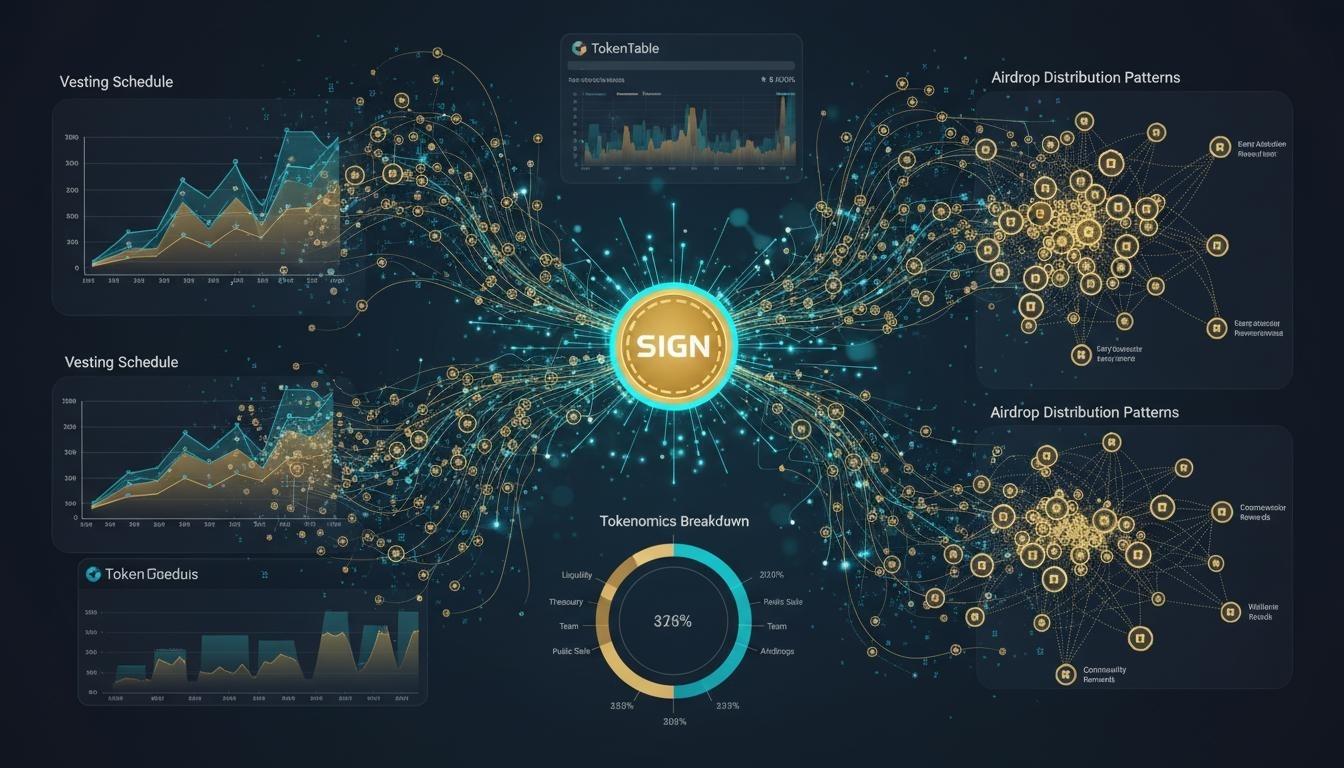
The $SIGN token isn't just a speculative asset—it's the fuel that powers the entire ecosystem.
With a total supply of 10 billion tokens, the distribution reflects a commitment to long-term community ownership.
40% goes to the community, while the remainder supports backers, team, foundation, and ecosystem growth.
✓ Token Utilities
• Attestation Fees
Pay for on-chain credential verification and issuance
• Governance Rights
Vote on protocol upgrades and ecosystem decisions
• Distribution Fees
Power TokenTable automated distribution engine
• Staking Rewards
Earn yields for securing the network
Real-World Deployments: From Pilot to Production

Here's what separates Sign from the crowd: they're not promising future partnerships. They're already live.
The National Bank of the Kyrgyz Republic is using Sign infrastructure for digital currency operations.
Sierra Leone's Ministry of Communication, Tech, and Innovation is modernizing their national identity systems.
Blockchain Centre Abu Dhabi is leveraging the stack for regional financial infrastructure.
With a fresh $25.5 million strategic investment led by YZi Labs (Binance's former VC arm), Sign is scaling fast.
The goal? Deliver blockchain-based services to 50 million people in year one.
As CEO Xin Yan puts it:
"There are only 192 clients in the world, and we're moving fast."
As a conclusion i see that sign is an Infrastructure That Matters
As I wrap this up, let me leave you with a thought.
The crypto space is full of noise—meme coins, vaporware, endless promises.
But every once in a while, you find a project building something that actually matters. Something that solves real problems for real people.
Sign Global isn't just building blockchain infrastructure.
They're building the digital foundation that nations will rely on when traditional systems fail.
The $SIGN token surge isn't speculation—it's recognition.
Recognition that in an increasingly volatile world, digital sovereignty isn't a luxury.
It's a necessity.
The question isn't whether nations will adopt blockchain infrastructure.
The question is which infrastructure they'll choose.
And right now, Sign is miles ahead of anyone else playing in this space.