
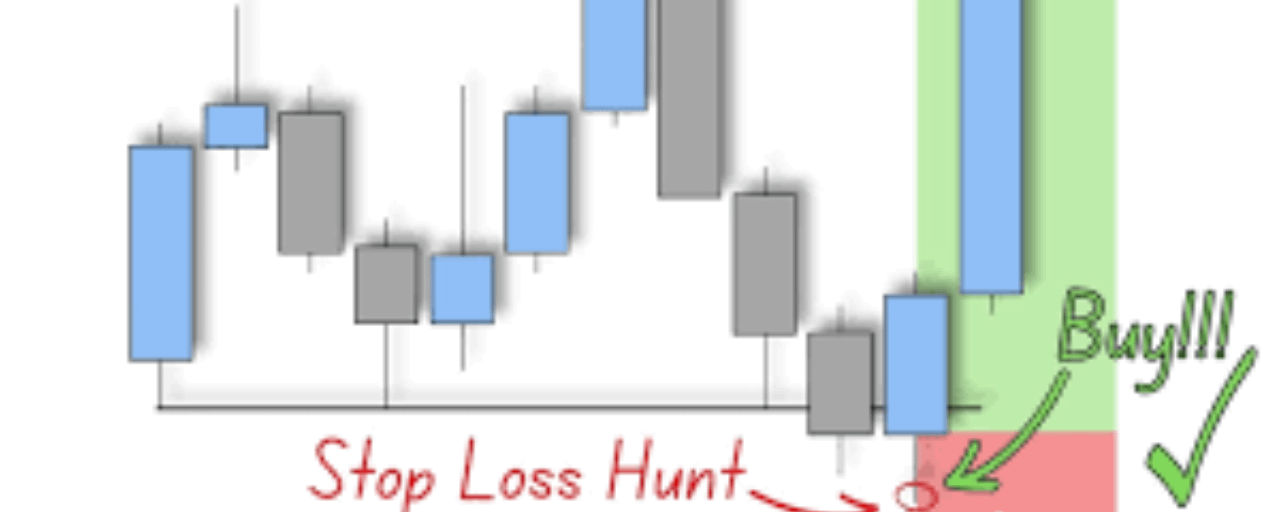
Let’s start with a question that separates casual observers from serious traders: have you ever placed a trade only to see the market move against you first, stop you out and then reverse and go exactly where you predicted? If that’s happened to you, you didn’t get unlucky, you got touched and what you experienced has a name and its called liquidity hunting.
*The Market Isn’t Random, It’s Strategic
Many beginners believe the market moves randomly, it doesn’t.
Behind the scenes, there are forces, large players, institutions, smart money and they all need liquidity to operate. They don’t enter or exit trades like retail traders do, they move in size and to move in size, they need liquidity like areas where many orders exist.
*What Is a Liquidity Hunt?
A liquidity hunt is when the market deliberately moves to areas where stop-loss orders are clustered, triggering them before reversing, it’s like a magnet. Price moves toward:
~Equal highs
~Equal lows
~Breakouts that attract traders
~Emotional zones where traders place stops
And why? because those stops become fuel, when stops are triggered:
~Orders get filled
~Liquidity is released
~Smart money can enter or exit positions
Think of it like this retail traders are the fuel, smart money is the engine and the hunt is the ignition. Let’s Visualize it, imagine a chart where price has been moving sideways, you see:
~Equal highs forming resistance
~Equal lows forming support
Most traders think breakout incoming! so they place buy orders above resistance or sell orders below support. Now ask yourself: What happens when the market wants those orders? it pushes price just enough to trigger them, then reverses. That sudden move, that’s not random, that’s a liquidity sweep.
*The Emotional Trap
Let’s be honest for a second, have you ever: Entered a breakout only to be instantly stopped out? Felt frustrated watching price reverse right after and then questioned your entire strategy because of it? You’re not alone but here’s the hard truth: You weren’t wrong about direction, you were early and positioned where the market hunts. Liquidity hunting isn’t about being smarter than the market, it’s about understanding how the market behaves.
*Rotation: The Second Half of the Game
Now let’s talk about the second half of the equation which is rotation. After liquidity is grabbed, price doesn’t just sit there, it moves and that movement is called rotation. Think of it like this:
~Market hunts liquidity
~Orders are triggered
~Smart money steps in
~Price rotates in the opposite direction
Simple but powerful.
*Why This Matters More Than Indicators
Indicators lag, liquidity doesn’t. Indicators tell you what has happened, liquidity shows you what is likely to happen next and that’s a massive difference because when you start seeing liquidity:
~You stop chasing moves
~You stop entering late
~You start anticipating behavior
You’re no longer reacting as you’re observing.
*The Smart Money Mindset
Smart money doesn’t chase price, it waits for price to come to them, they look for:
~Areas of liquidity
~Retail positioning
~Structural weaknesses
And then they act, not randomly but strategically. So instead of asking: Where is price going next? Ask: Where are the stops sitting?
because that’s where the market is likely to go first.
*Common Liquidity Zones to Watch
Here are some common areas where liquidity builds up:
~Equal highs and lows
~Trendline breaks
~Round numbers (like 1.1000 or 50,000)
~Consolidation zones
~Obvious support/resistance levels
Now ask yourself if you are you placing your trades in these zones or avoiding them? because if you’re entering inside obvious liquidity zones without confirmation, you might be stepping right into a trap.
*Patience vs Impulse
Liquidity trading requires patience because the best setups don’t happen every minute, they happen when:
~The market sweeps liquidity
~Confirms direction
~Then moves cleanly
But most traders struggle with waiting, they see movement and jump in, they see opportunity and rush in but in liquidity trading, waiting is your edge.
*Emotional Control Meets Structure
And here’s where everything connects, liquidity trading requires:
~Emotional control
~Structural understanding
~Patience
Without emotion control, you’ll:
~Chase
~Panic
~Exit too early
Without structure, you’ll:
~Guess
~Overtrade
~Misread the market
Without patience, you’ll:
~Miss setups
~Force trades
~Enter too soon
But when all three align? that’s where consistency lives and grows
*Final Thought: See What Others Don’t
Liquidity hunting and rotation isn’t a trick, it’s a lens and a way of seeing the market differently while others see:
~Breakouts
~Trends
~Signals
You start seeing:
~Where traders are trapped
~Where stops are resting
~Where the market wants to go
And once you see that you cant unsee it and you don’t trade the market the same way ever again.$BTC