
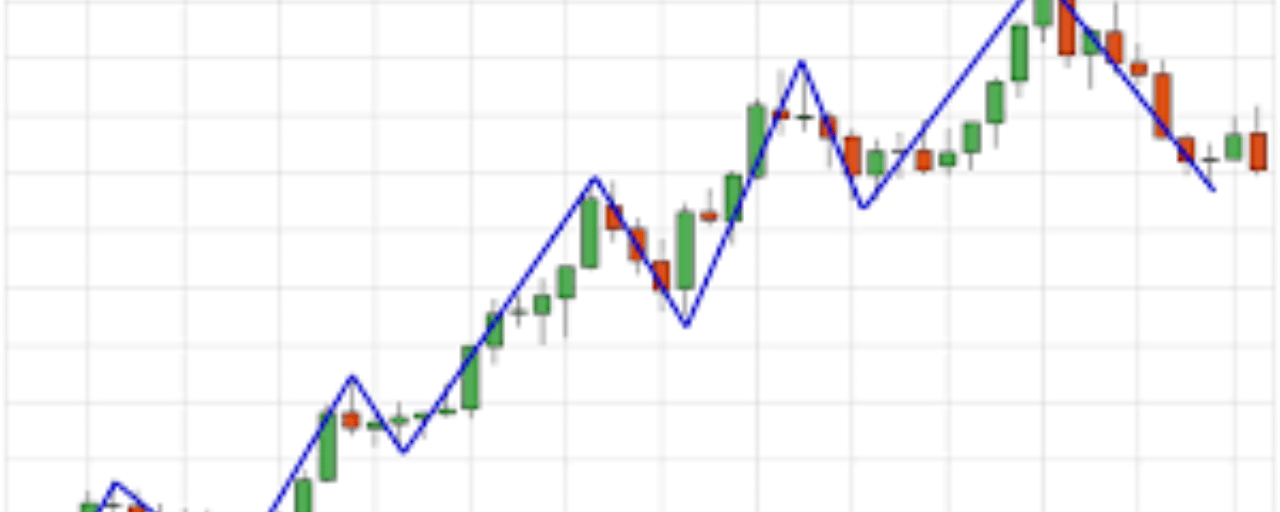
There’s a hidden conversation happening in every market not in headlines, not in tweets, not even in the indicators most traders obsess over. It’s deeper than that. It’s quieter and if you’re not tuned into it, you’re already late because while everyone else is reacting to price, the market is already speaking through its structure and moving through its sentiment and question is:
Are you listening, or are you chasing?
*The Market Isn’t Random It’s Structured
Markets are not chaotic messes where anything can happen at any time. That’s what it feels like when you don’t understand what you’re looking at but beneath the surface, price follows a structure a rhythm of highs, lows, breaks, and continuations. Structure is the market’s skeleton and it tells you:
~Where price has been
~Where it’s likely to react
~Where control shifts between buyers and sellers
~Higher highs and higher lows? Buyers are in control.
~Lower highs and lower lows? Sellers are running the show.
Simple, right but here’s where most traders go wrong as they see the structure, but they don’t interpret it. They spot a breakout and think, that’s the move. No, that’s often just the result of something that started much earlier.
*Structure Speaks Before Price Explodes
Imagine this, price has been making higher lows for a while, slowly stepping upward. No fireworks, no massive candles just steady, controlled movement, that’s structure speaking and it’s saying: Buyers are quietly gaining ground. Now fast forward, a resistance level finally breaks, a big green candle appears and everyone jumps in but the move didn’t start there. It started in the structure build-up, in those higher lows, in that slow pressure and by the time the breakout happens, the smart money is already positioned and the crowds are just arriving.
*Sentiment The Invisible Engine
If structure is the skeleton, sentiment is the heartbeat. You can’t always see it directly, but you can feel it in the way the market behaves. Sentiment answers questions like:
~Are traders confident or hesitant?
~Are they chasing or holding back?
~Are they fearful or greedy?
And here’s the key sentiment moves price faster than logic ever will.
A perfectly structured market can still reverse violently if sentiment shifts and reason being because markets aren’t driven by math alone, they’re driven by people and people are emotional.
*When Structure and Sentiment Align
This is where the magic happens, when structure and sentiment tell the same story, moves become powerful, clean, and sustained.
For example structure shows higher highs and higher lows, sentiment shows confidence, strong pushes, shallow pullbacks
That’s alignment and that’s momentum with conviction, that’s where trends are born but when they diverge, things get messy.
*The Danger Zone: When They Disagree
Let’s say structure is bullish higher highs, higher lows but sentiment is weak. You start seeing:
~Slower moves upward
~Deeper pullbacks
~Hesitation near resistance
That’s a warning, the structure is still intact, but sentiment is fading and when sentiment fades long enough, structure eventually breaks, this is where traps happen. Breakouts fail, reversals hit hard and traders get caught off guard. Not because the market was random but because they ignored the shift in sentiment.
*The Crowd Reacts. The Edge Anticipates.
Most traders rely on confirmation as they want clear breakouts
strong candles and obvious trends but confirmation is expensive.
Cause by the time it’s obvious, the move is already in motion, the real edge comes from reading structure early and sentiment shifts in real-time and it’s about asking:
~Is this breakout supported by real conviction?
~Is sentiment strengthening or weakening?
~Is structure building or breaking down?
This is how you stay ahead of the curve.
*Liquidity: The Hidden Layer Beneath Both
Markets don’t just move because of structure or sentiment, they move toward liquidity. Where are stop losses sitting? where are traders trapped? Where is the most money waiting to be triggered?
Structure often forms around these zones and sentiment reacts to them. And price it hunts them, this is why you’ll often see:
~Fake breakouts
~Sudden spikes
~Sharp reversals
It’s not manipulation in the way people think, it’s the market doing what it’s designed to do, seek liquidity efficiently.
*The Emotional Discipline Edge
Even if you understand structure and sentiment perfectly, you can still lose if your emotions take over because trading isn’t just analysis, it’s execution under pressure. When sentiment shifts quickly, it can trigger fear, create urgency and push you into bad decisions and this is where discipline becomes your edge. The ability to wait for alignment, avoid chasing and stick to your plan. That’s what separates consistent traders from the rest.
**Final Thought: Learn to Listen, Not Chase
The market is always speaking, not loudly, not obviously but consistently. Structure is its language and sentiment is its tone and price is just the reaction. So the next time you’re watching a chart, don’t rush, pause, observe and ask yourself:
~What is the structure saying?
~What is sentiment revealing?
because when you truly understand both you stop chasing moves and start anticipating them.$HEMI