
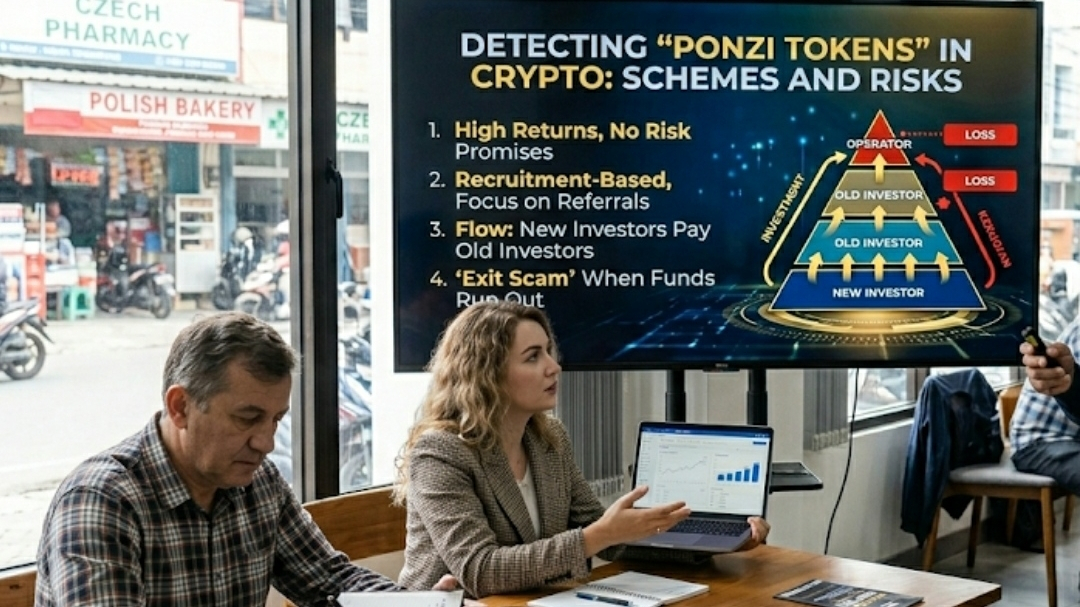
You open DexTools, see a shiny new token up 2,000% in an hour, and feel that familiar FOMO creeping in. We've all been there. But here's the thing nobody tells you: most of those insane gainers are designed to steal your money. Not "high risk." Not "speculative." Straight-up designed to drain you. The good news? You don't need to be a blockchain detective to spot the red flags. Just five minutes and a little common sense.

Start with the basics. Open the token contract on a block explorer like Etherscan or #BscScan . Look for two things: high tax and ownership renouncement. If the token has a 10% "marketing fee" that actually sends everything to a single wallet, run. And if the owner didn't renounce the contract, they can mint new tokens whenever they want—or worse, blacklist your address from selling. Real projects don't keep that power. Scammers do. A quick check on Honeypot.is will also tell you if you literally can't sell the token. Yes, that's a real thing.

Next, check liquidity and holder distribution. Pop the token address into #DexScreener or RugDoc. If the liquidity is locked (good) or unlocked and sitting in a random wallet (huge red flag), that's your answer. Also scroll through the top 10 holders. One wallet holding 40% or more? That's the deployer waiting to dump on everyone. Legit projects have reasonably spread out supply. Scammers keep it tight so they control the price.
Finally, do the social media sniff test. Real crypto projects have messy, boring communities. People argue about development priorities and gas fees. Ponzi tokens have Telegram groups where every single message is "wen moon" and "to the moon" repeated by bots. Check if the Twitter account has replies turned off or only shows screenshots of profits. Check if their "audit" is from a random firm nobody's heard of. One more thing: if they promise daily rewards or "passive income" just for holding, that's not DeFi. That's a pyramid wearing #DeFi costume.

Listen, I'm not saying every low-cap token is a scam. Some of my best trades were in weird, illiquid gems I found at 3 AM. But I only touched them after doing these three checks. The crypto space moves fast, but taking five minutes to verify a token isn't "missing out"—it's staying in the game. Because the real loss isn't missing a 2,000% pump. It's watching your wallet go to zero while the dev is on a beach in Dubai. Stay sharp, stay curious, and never trust a token that promises free money. If it sounds too good to be crypto, it probably is.