
Something unusual is unfolding in the market today. It’s not just another day of price movement or random volatility—it feels like a pause, a buildup. Almost as if the entire market is holding its breath, waiting for a single moment to define what comes next.
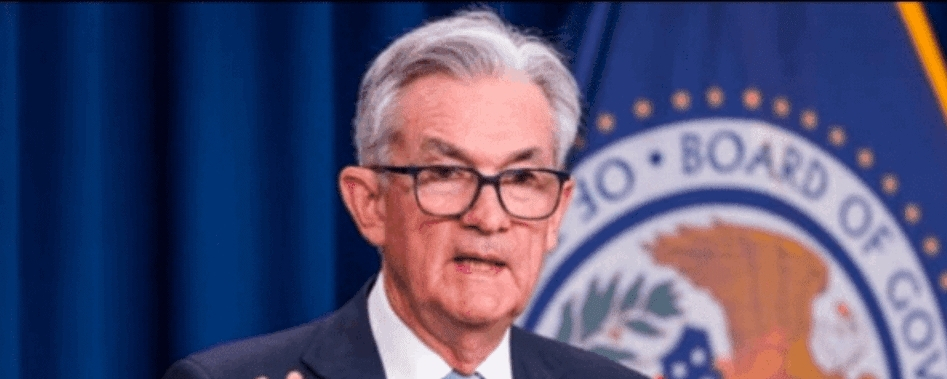
when the Federal Reserve steps into focus. This isn’t being treated like a routine update or just another policy speech. Instead, it carries the weight of a potential turning point—one of those rare instances where sentiment, direction, and momentum can all shift within seconds.
Behind the scenes, speculation has been quietly growing. There are whispers of possible rate cuts, and even the idea that new liquidity could enter the system. If that scenario becomes reality, the reaction could be immediate. Markets tend to move quickly when confidence returns—prices can surge, momentum can build, and the fear that dominated before can suddenly fade.
But there’s another possibility that deserves equal attention.
If expectations don’t align with what is actually announced, the reaction could be just as fast—but in the opposite direction. Instead of relief, there could be sharp declines. Instead of confidence, hesitation and panic. Markets can reverse aggressively when traders feel caught off guard, and those moves often happen too quickly for emotional decisions to keep up.
Right now, uncertainty is dominating the environment. And where uncertainty exists, volatility follows closely behind. This is exactly the kind of situation where many people struggle—not because they lack knowledge, but because they lose control of their reactions.
Some will rush into positions too late, driven by fear of missing out. Others will exit too early, trying to avoid losses that haven’t even materialized yet. In both cases, decisions are driven by emotion rather than discipline.
That’s why this moment is bigger than just market direction.
It’s a test of behavior.
Instead of predicting what will happen, the smarter approach is to observe how the market reacts once the news is out. Let the movement confirm the direction. Let the volatility settle enough to reveal structure. Acting after clarity often proves more effective than guessing before the outcome.
Because in moments like this, the charts don’t just move—they expose decision-making under pressure.
And in the end, it’s not just about who was right about the market.
It’s about who stayed disciplined when it mattered most.
#USDCFreezeDebate #USMilitaryToBlockadeStraitOfHormuz #JustinSunVsWLFI #StrategyBTCPurchase