Right now the market feels a bit weird, not gonna lie.
Bitcoin is doing its usual thing — pulling liquidity, staying dominant, acting like the main magnet. But most alts? They just feel… slow. Not dead, just no real excitement. And Web3 gaming? A lot of people mentally checked out after the last cycle. Hard to blame them.
But attention never really disappears. It just waits. And when it comes back, it doesn’t spread everywhere — it focuses on a few things that actually feel worth it.
That’s kinda why I started looking at @Pixels again.
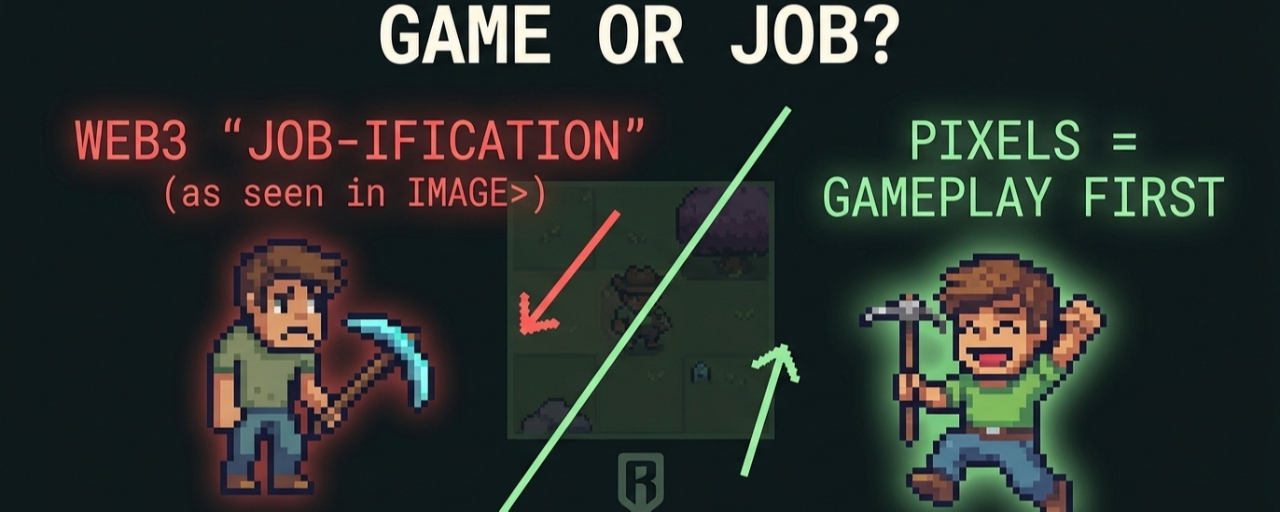
I’ve seen this pattern before. Big hype, big promises, then reality hits. Most Web3 games weren’t really games — just reward systems. People came to earn, not to play. And when rewards dropped, so did the users. Simple as that.
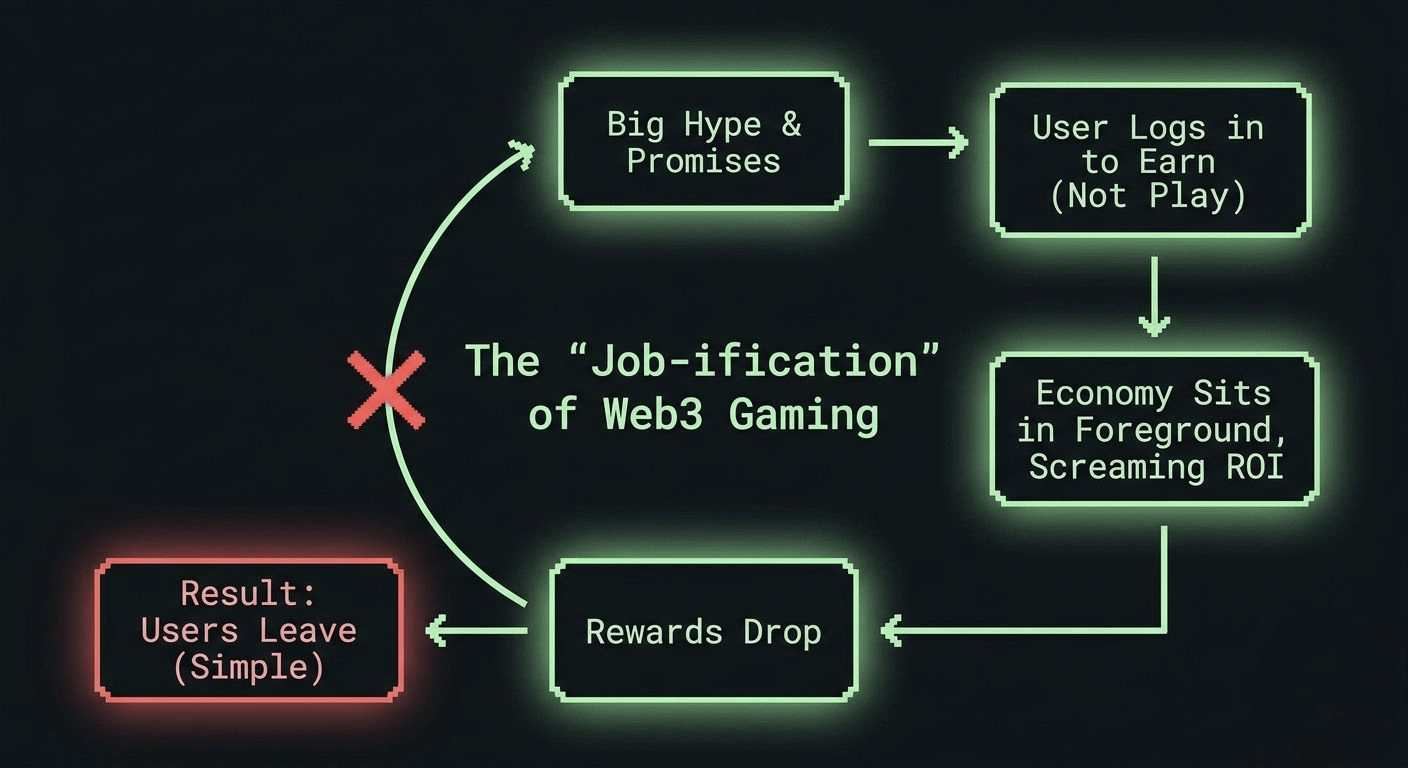
That model doesn’t last. It never has.
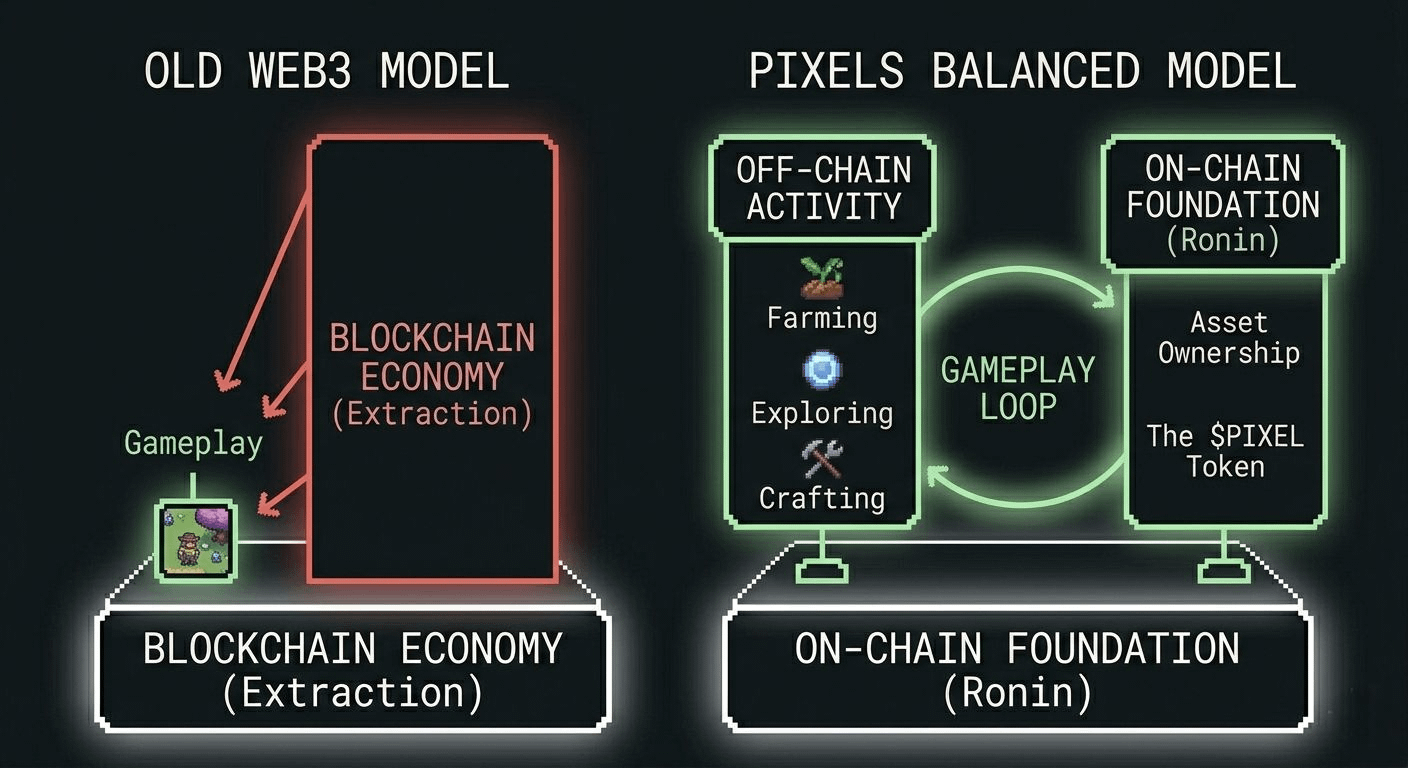
The real issue was never just graphics or tokenomics. It was the lack of actual “fun.” Everything was built around extraction instead of experience.
When I first heard about Pixels, I wasn’t impressed either. Farming game, pixel style, open world… felt like the same old pitch.
But after looking deeper, it’s actually a bit different.
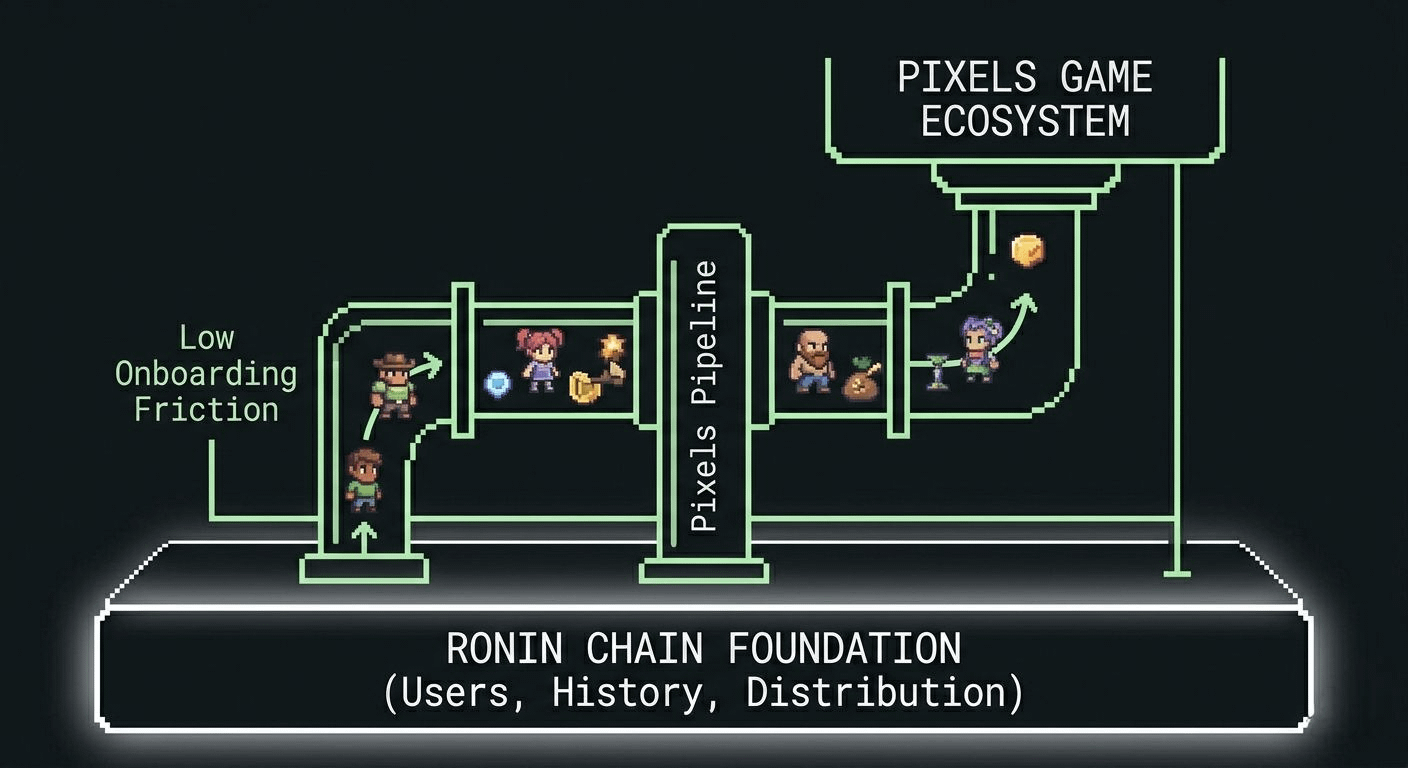
Running on $RONIN already gives @Pixels an edge. That chain isn’t new to gaming — it has users, history, and distribution. That alone solves a problem most projects struggle with from day one.
Gameplay-wise, yeah it’s simple — farming, exploring, crafting, trading. Nothing crazy on paper. But the feel is different. You’re not constantly thinking about ROI every second. You can just play.
And honestly, that’s rare in Web3.
The economy sits in the background instead of being in your face all the time. But it’s still there. $PIXEL actually has utility — upgrades, progression, crafting boosts. It’s not just sitting there for speculation.
Another thing I noticed is how they balanced on-chain and off-chain. Not every small action hits the blockchain, which keeps things smooth. But ownership and important assets still stay on-chain. That balance matters more than people think.
Ronin also lowers friction a lot. Cheap, fast, and people already understand the ecosystem. That’s a big advantage most games don’t have.
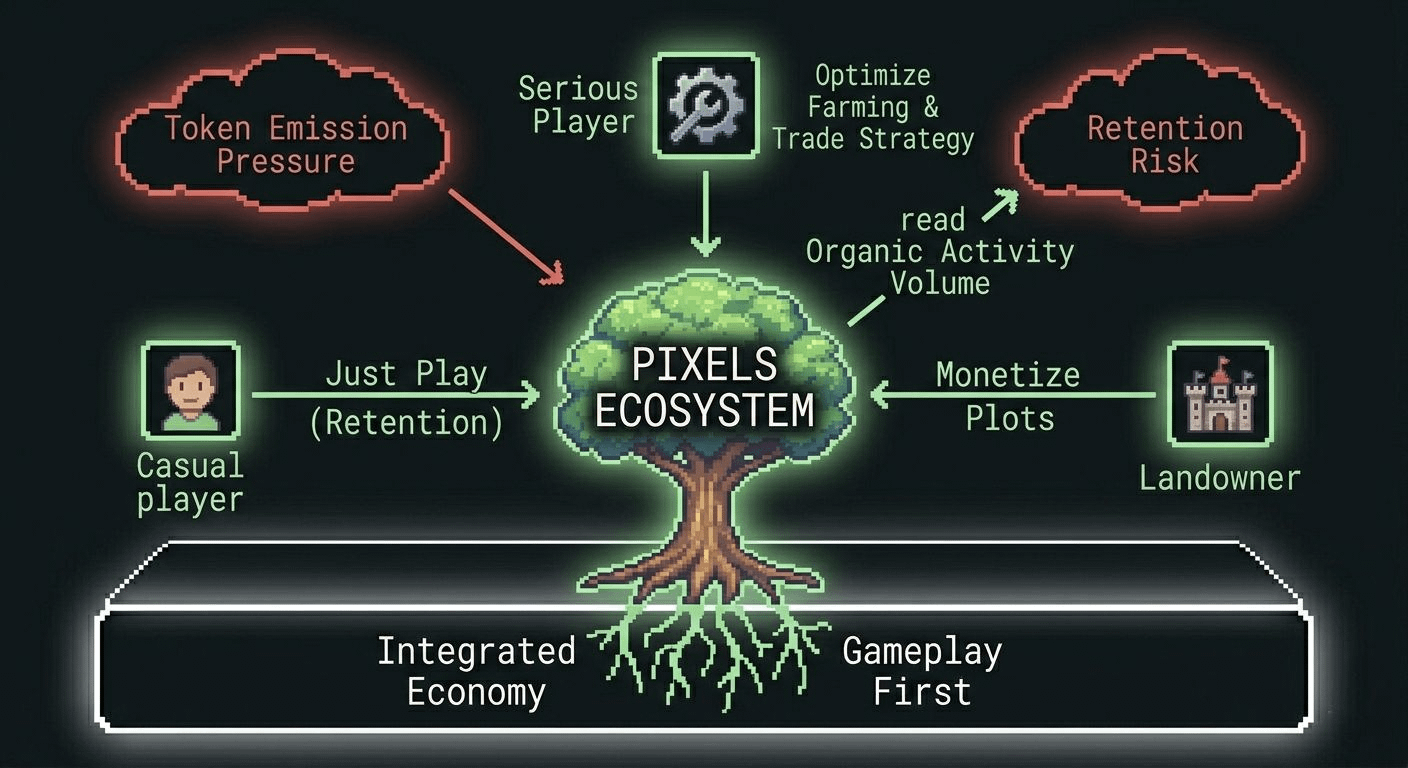
The player mix is also interesting. Casual players, grinders, landowners, even traders — everyone has a role. And you’re not stuck in one. You can switch how you play depending on your mood or strategy.
These days, I don’t really care about inflated metrics. What matters is behavior.
Are people actually playing?
Are they coming back?
Are they talking about it without incentives?
From what I’m seeing, Pixels is doing better than most here.
Of course, it’s not risk-free. Token pressure is always a factor. Retention is the real test long term. And competition — both Web2 and Web3 — is tough.
Plus the whole “play-to-earn” narrative still has a bad reputation. Projects have to prove they’re not just recycling that model.
But overall, it feels like the market is slowly shifting. Less focus on quick rewards, more focus on actual experience.
And if that shift continues, projects like @Pixels that focused on gameplay early might be in a better spot than people expect.
Not saying it’s guaranteed. Nothing is.
But in a market where attention is limited, anything that feels different is worth watching.