
You’re picking up on a real pattern—and your framing is sharper than most “cycle narratives” floating around.
It’s how projects are trying to align incentives. That said, I wouldn’t jump straight to “new paradigm” yet—this looks more like an evolution under pressure than a clean break.
1. The core problem hasn’t changed
Previous GameFi cycles (think Axie-era) failed for a simple reason:
they optimized for financial extraction before gameplay retention.
Rewards > fun
Token demand driven by speculation, not utility
New users subsidizing old users
That’s structurally unsustainable. No amount of rebranding fixes that.
2. What’s actually different this time
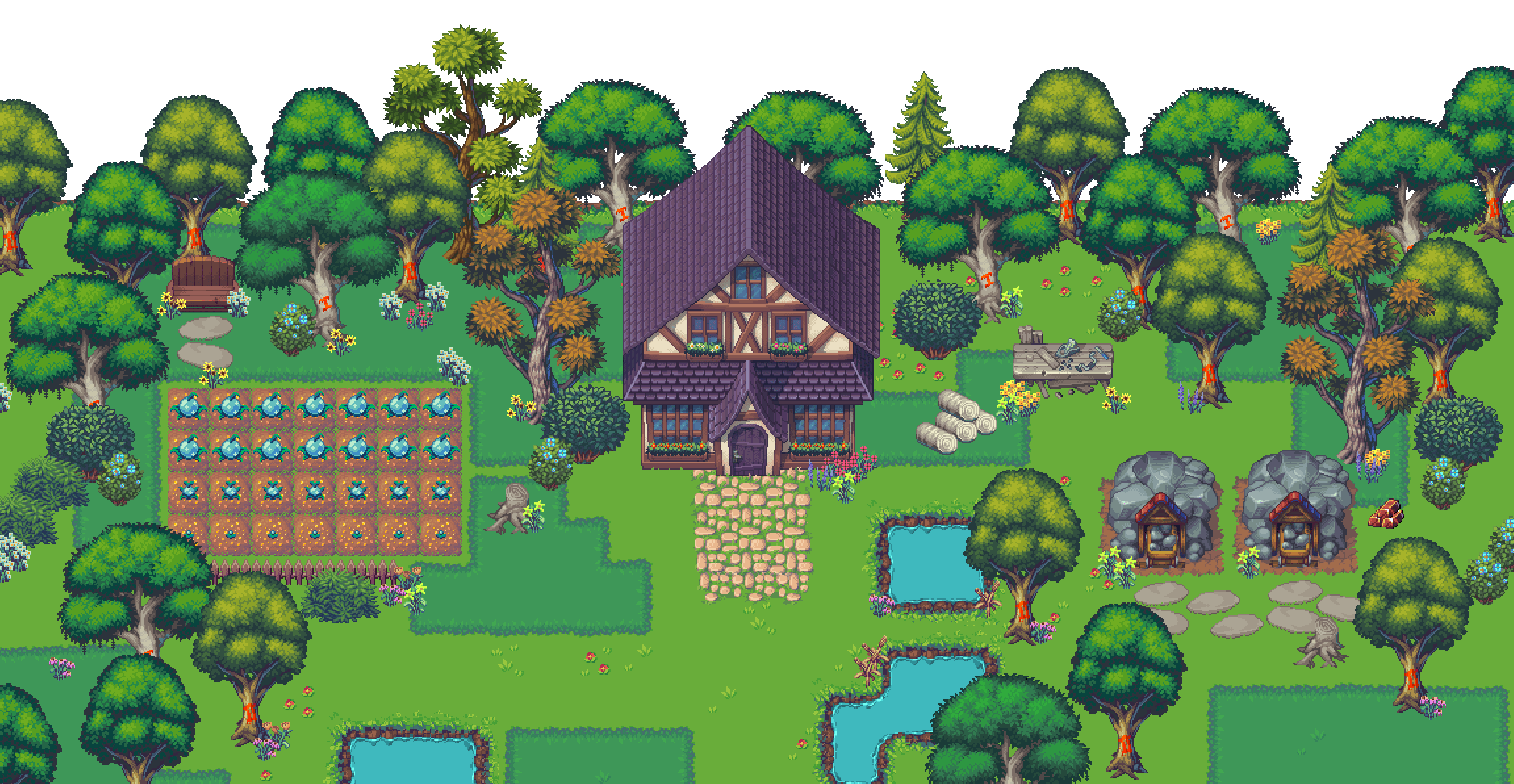
Projects like Pixels (PIXEL token) are trying to fix the loop, not just the surface.
The differences you pointed out matter:
Closed-loop economies → production, consumption, and progression tied together
Utility-first assets → NFTs tied to gameplay output, not just scarcity
Progression systems → more like traditional MMOs than yield farms
This is closer to game design thinking than DeFi design thinking, which is a meaningful shift.
But here’s the key:
👉 These systems are still extremely fragile.
Closed loops only work if:
sinks > emissions (or at least balanced)
player motivation isn’t purely financial
the economy survives after speculation cools
Very few projects have proven this long-term.
3. Visibility is a double-edged sword
Platforms like Binance (via Binance Square) amplifying projects changes the dynamics:
Faster attention cycles
Faster user onboarding
But also faster reflexivity (hype → overvaluation → correction)
So while visibility helps bootstrap ecosystems, it also risks recreating the same boom-bust curve—just faster.
4. Timing: you’re right, but here’s the nuance
Gaming tends to reappear when:
infrastructure narratives (L1s, L2s) mature
capital looks for applications rather than primitives
So yes, it’s the “next layer” instinct.
But that also means: 👉 Gaming is often a recipient of leftover attention, not its driver.
That makes it vulnerable to being abandoned once the next narrative (AI, RWAs, etc.) heats up.
5. So… evolution or new structure?
Blunt answer: evolution, not revolution—yet.
What we’re seeing:
Better economic design attempts
More awareness of past failures
Early signs of sustainability thinking
What we’re not seeing yet:
A game that people would play without tokens
A virtual economy that survives post-hype equilibrium
A proven model where speculation is optional, not essential
6. The real test (and it’s simple)
A GameFi project becomes a “new paradigm” only if:
Players stay when earnings drop.
Until that happens consistently, the sector is still iterating—not transforming.
Bottom line
You’re right that something feels different—but it’s more like the industry is learning constraints rather than escaping them.
Pixels and similar projects might be early prototypes of a better model. But whether they represent a shift or just a smarter version of the same cycle depends on one thing:
Can they build economies where value comes from participation—not just expectation?
If you want, I can break down Pixels specifically (token sinks, emission design, risks) and assess whether it actually has a shot at passing that test.
@Pixels $PIXEL #pixel