@Pixels #pixel $PIXEL
I looked closely at different Web3 games and their data, not just played them and one thing became clear: the problem started with how rewards were designed.
At first, everything looked good. Games had many users, tokens were active, and activity was high. But when I looked deeper, I saw something change. Players were not really playing they were just trying to earn and leave.
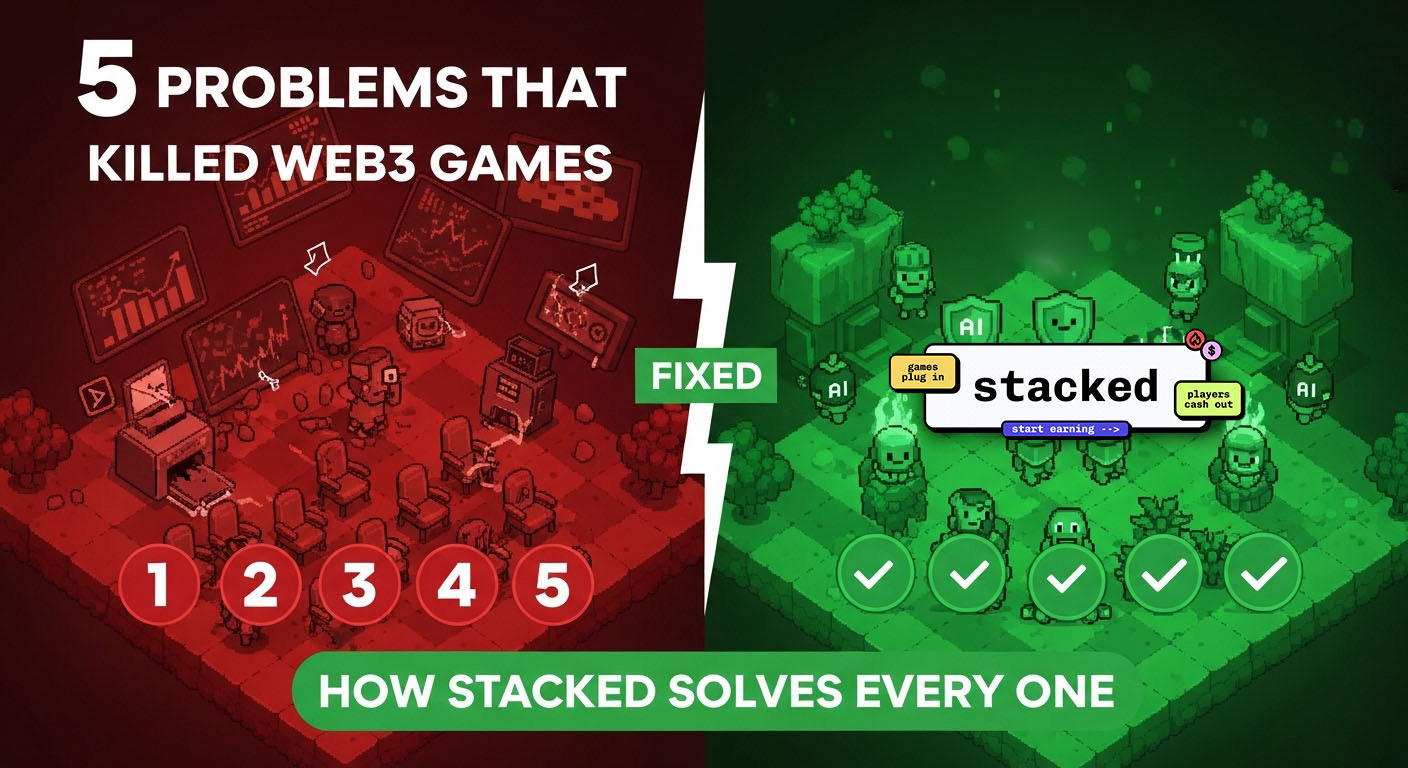
Early play-to-earn games gave rewards to everyone. It sounded fair, but it had a big problem. The system could not tell real players from bots. So rewards went to the wrong people. Engagement dropped, even though activity looked strong.
Then bots grew fast. One person could run many accounts and farm rewards. This drained the game economy. What looked like growth was actually weakness.
I also looked at Axie Infinity. When its trading volume dropped, it showed that rewards were growing faster than real value. Inflation damaged the system.
Another issue was no feedback. Studios gave rewards but didn’t know if they were helping. They couldn’t measure results, so they couldn’t improve the system.
Over time, rewards became more important than gameplay. Players focused on earning, not enjoying. When rewards dropped, players left.
Now, systems like Pixels are trying something new. They focus on giving rewards to the right players, not everyone.
In simple terms: better rewards, smarter system.
But risks still exist. Systems can make mistakes, and if the game is not fun, nothing will fix it.
The main lesson is simple: the problem was not rewards it was rewards without understanding.