

The fragile diplomatic bridge between Iran and the United States appears to be cracking once again. Following a high-stakes round of negotiations that ended without a breakthrough, Iran has signaled reluctance—or outright refusal—to proceed with a second round of talks, citing deep disagreements over key issues like sanctions, nuclear policy, and regional security.
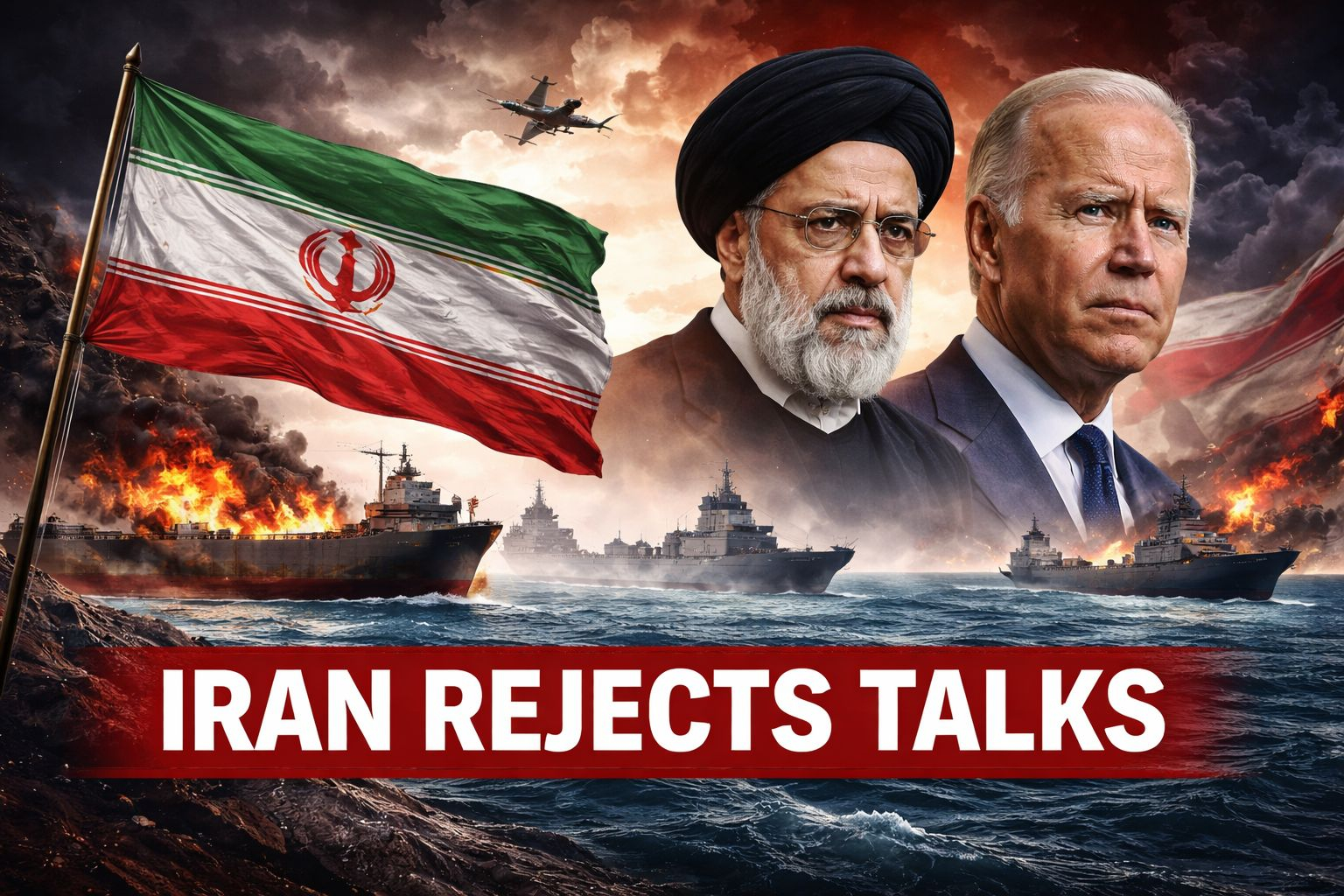
At the heart of the deadlock lies a familiar problem: trust. Iranian officials have criticized what they describe as “maximalist” demands from Washington, particularly regarding Tehran’s nuclear program and strategic concessions. From Iran’s perspective, agreeing to such terms would undermine its sovereignty, especially as it continues to insist on maintaining control over its enriched uranium and regional influence.
Meanwhile, the United States has maintained pressure through sanctions and military positioning, signaling that any agreement must go beyond nuclear limits and address broader geopolitical concerns. This mismatch in expectations has effectively stalled diplomacy before it could gain meaningful traction.
A Dangerous Escalation Beyond Diplomacy
The breakdown in talks is not happening in isolation—it is unfolding alongside rising military and economic tensions. One of the most alarming developments is Iran’s renewed control over the Strait of Hormuz, a critical chokepoint through which roughly 20% of the world’s oil supply passes.
By restricting access to this vital shipping route, Iran is sending a clear message: economic leverage will be used as a bargaining tool. Reports of attacks on tankers and increased military activity in the region further highlight how quickly diplomatic failure can spill into real-world confrontation.
For global markets, especially energy, this creates immediate uncertainty. Oil prices become more volatile, supply chains face disruption, and countries heavily dependent on Middle Eastern energy—such as India and parts of Europe—find themselves exposed to sudden shocks.
Why the Second Round Matters
The rejection or delay of a second round of talks is more than just a diplomatic pause—it represents a narrowing window for peaceful resolution. Previous negotiations, including those mediated by regional actors like Pakistan and Oman, have already struggled to bridge fundamental divides.
Without continued dialogue, both sides risk falling back into a cycle of escalation: sanctions triggering retaliation, retaliation inviting military response, and each step making compromise politically harder.
Global Ripple Effects
The implications extend far beyond the Middle East:
Energy Markets: Any prolonged disruption in the Strait of Hormuz could trigger sustained increases in oil and gas prices.
Geopolitical Alliances: Countries may be forced to pick sides, deepening global polarization.
Financial Markets: Risk sentiment could deteriorate, pushing investors toward safe-haven assets like gold and the U.S. dollar.
Security Risks: Increased military presence raises the probability of miscalculation and unintended conflict.
A Fragile Future
Despite the current stalemate, diplomacy is not entirely off the table. Iranian officials have indicated that talks could resume—but only under conditions they deem fair and constructive.
The challenge is that both sides are negotiating not just with each other, but with their domestic audiences, strategic allies, and long-term geopolitical goals. That makes compromise harder—and delay more dangerous.
Final Thought
The rejection of a second round of talks is not just a diplomatic setback; it is a signal that the world may be entering a more unstable phase of geopolitical tension. In a region already defined by complexity, even a small misstep could have outsized consequences.
Right now, the situation remains on a knife’s edge—where diplomacy, if revived, could stabilize the region, but continued breakdown risks pushing the world closer to a broader crisis.#ranRejectsSecondRoundTalks