

The first time someone explained a game economy to me using "inflows and outflows" as a framework, I almost dismissed it as unnecessary jargon. I shouldn't have.
It's actually the most useful lens I've found for understanding why certain Web3 game economies hold together while the majority collapse. Inflows are every point where tokens or resources enter circulation — missions that reward PIXEL, harvests that produce tradeable goods, activities that distribute earnings. Outflows are every point where value gets consumed — upgrade expenses, crafting costs, land fees, token burns. A functioning economy needs pressure on both ends. Flood the system with too many inflows and purchasing power erodes. Drain it with too many outflows and players walk away. Getting that ratio right isn't a one-time configuration. It demands continuous attention as the community expands and contracts and token valuations shift.
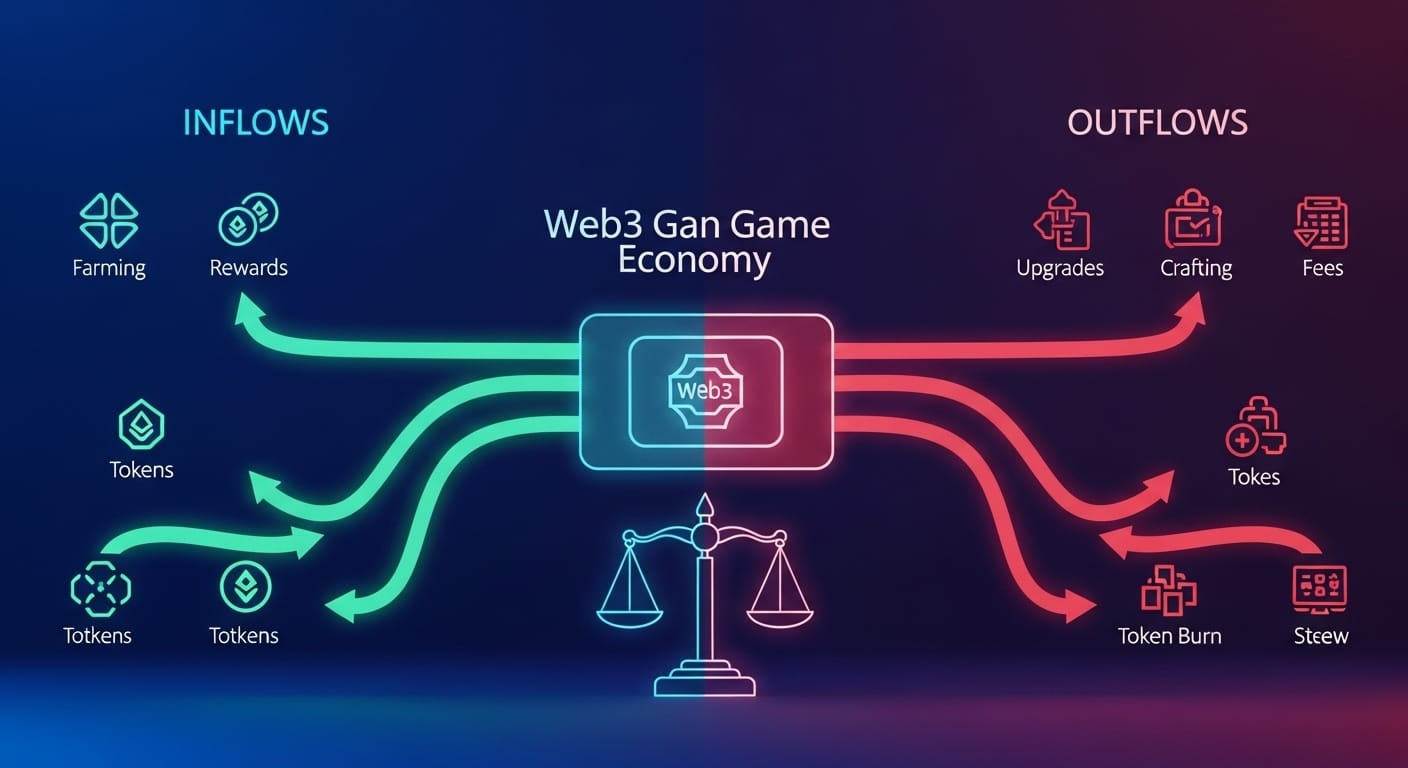
Pixels operates with both inflows and outflows, and it's clear the development team grasps this framework at a fundamental level. That alone puts it ahead of most competitors — projects that essentially built reward machines and then bolted on superficial consumption mechanics as an afterthought. PIXEL enters through gameplay participation and exits through upgrades, crafting activity, and burn mechanisms. On-chain resources move through comparable loops. The underlying design logic is readable.
What remains harder to assess is whether the tuning is actually correct — and that's where my confidence gives way to genuine uncertainty.
The active player count in Pixels has moved around considerably since the project went live. During the pre-launch points phase, engagement was elevated and the economy had enough participants to sustain meaningful activity on both sides. Once the token went live and the speculative layer thinned out, the picture changed. A smaller player base compresses both inflows and outflows at once. Whether the equilibrium held through that contraction is something I'd need real on-chain data to evaluate with any confidence.
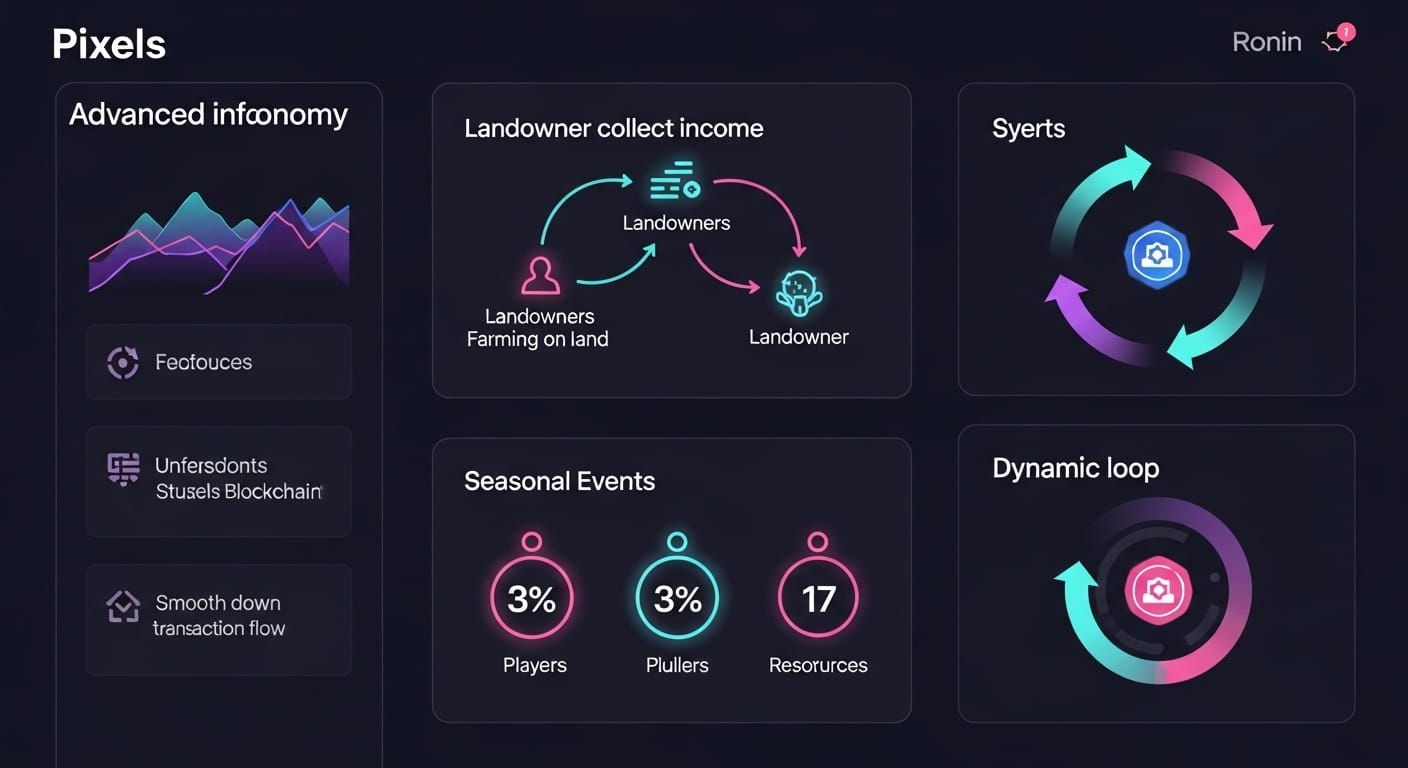
The land system introduces a layer of complexity that I find compelling and a little unsettling simultaneously. Landowners collect a share of earnings from players working their plots — an inflow for the owner, a structural outflow for the player who doesn't hold land. This produces a two-tier economic reality where your experience of the game's economy is shaped significantly by which side of ownership you occupy. It mirrors dynamics from real-world economies, which depending on your perspective reads as either a feature or a warning sign.
Time-limited events and seasonal content act as temporary outflow mechanisms, pulling resources out of circulation during peak engagement windows. It's intelligent design. The urgency drives spending behavior without permanently reshaping the underlying economy. The danger is leaning too heavily on these periodic events to compensate for a structural mismatch in the day-to-day inflow and outflow balance.
Any live game economy comes with an uncomfortable truth attached — nobody launches with perfect calibration. The meaningful question is whether the people running it track the right signals and respond when something is off. Pixels has demonstrated that capacity. The move to Ronin was partly motivated by economic reasoning, lowering the friction around on-chain transactions to make consumption mechanics accessible to a broader player base. That willingness to rework core infrastructure rather than just adjust surface-level parameters is worth noting.
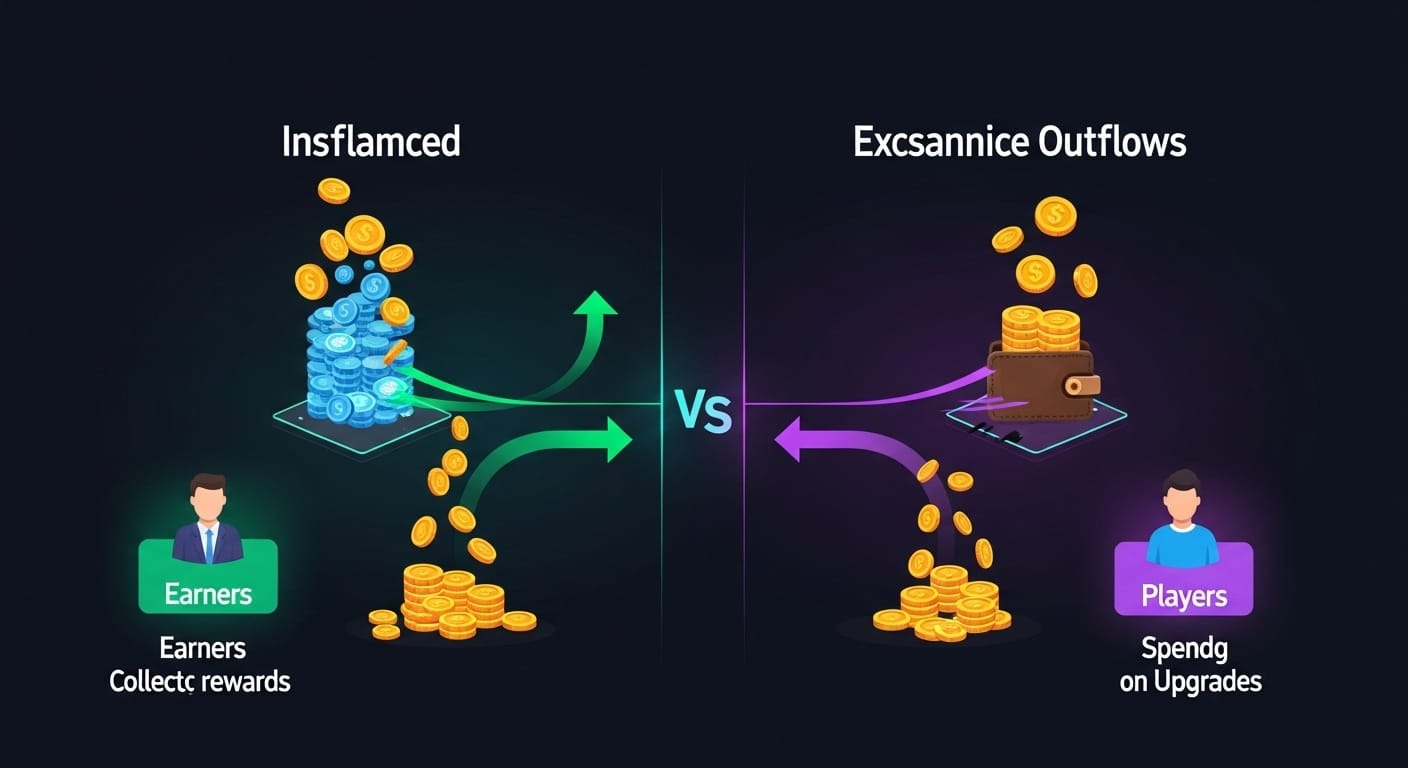
The core tension running through Pixels is the same one that runs through every play-to-earn design. Earner-focused players need inflows to consistently exceed outflows. Experience-focused players need meaningful outflows to give their earnings actual value. These two groups are pulling the same system in opposing directions.
That problem hasn't been solved anywhere yet. Pixels is making a more serious attempt than most. 🎮