
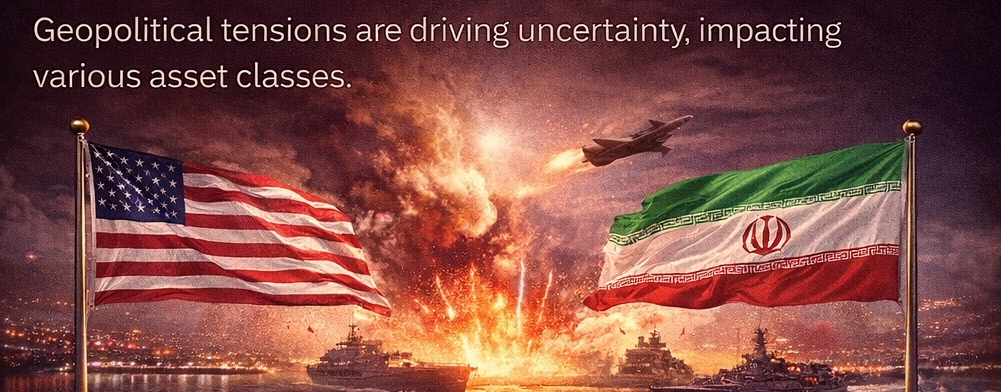
Le tensioni tra Stati Uniti e Iran sono nuovamente tornate al centro dell'attenzione, creando incertezze nei mercati globali. Sebbene non ci sia una guerra su larga scala confermata, recenti sviluppi suggeriscono una situazione fragile in cui anche piccole escalation possono innescare reazioni significative negli attivi finanziari. Per i trader e gli investitori, questo riguarda meno la politica e più il modo in cui i mercati rispondono al rischio.
Una delle aree più sensibili in questa situazione è lo Stretto di Hormuz, una via critica attraverso la quale passa una grande porzione dell'offerta di petrolio mondiale. Qualsiasi interruzione, anche temporanea, può far salire i prezzi del petrolio quasi istantaneamente. Ecco perché le merci come il petrolio e l'oro reagiscono spesso per prime alle tensioni geopolitiche. Quando l'incertezza aumenta, i mercati tendono a spostarsi verso la sicurezza. L'oro diventa attraente come un tradizionale rifugio sicuro, mentre i prezzi del petrolio riflettono preoccupazioni legate all'offerta. Allo stesso tempo, gli attivi rischiosi come le azioni e le criptovalute possono sperimentare volatilità mentre gli investitori rivalutano la loro esposizione.
Tuttavia, i mercati non si muovono sempre in linea retta durante eventi geopolitici. Ci sono due scenari possibili che i trader devono considerare. Se le tensioni aumentano ulteriormente, possiamo aspettarci una maggiore volatilità, l'aumento dei prezzi del petrolio e un sentimento cauto sui mercati globali. In tali condizioni, la domanda di beni rifugio potrebbe aumentare e i trader potrebbero ridurre l'esposizione al rischio. D'altra parte, se gli sforzi diplomatici riprendono slancio e le tensioni si allentano, i mercati potrebbero stabilizzarsi rapidamente. L'appetito per il rischio potrebbe tornare, a beneficio delle azioni e delle criptovalute, mentre le materie prime potrebbero raffreddarsi dopo i loro picchi.
Un altro fattore importante è la psicologia di mercato. Le notizie da sole non muovono i mercati — lo fanno le aspettative. I trader prezzano costantemente i potenziali esiti prima che si verifichino realmente. Questo significa che a volte i movimenti più significativi si verificano non quando gli eventi si intensificano, ma quando sorprendono le aspettative. Ad esempio, se i mercati si aspettano un conflitto ma invece si verifica una diplomazia, i prezzi possono reagire bruscamente nella direzione opposta.
Da una prospettiva strategica, questo non è un momento per il trading emotivo. È un periodo che richiede consapevolezza, pazienza e adattabilità. Osservare i livelli chiave nel petrolio, nell'oro e nei principali indici può fornire indicazioni su come il mercato sta interpretando la situazione. Invece di prevedere gli esiti, è più efficace reagire a movimenti e cambiamenti di momentum confermati.
In conclusione, la situazione tra Stati Uniti e Iran rimane un motore chiave della volatilità a breve termine. Sebbene l'esito a lungo termine sia incerto, l'impatto sul mercato è già visibile. Per i trader, l'attenzione dovrebbe rimanere sull'azione dei prezzi, sulla gestione del rischio e sulla comprensione di come gli eventi globali si traducono nel comportamento del mercato.
📌 Pensiero Finale:
L'incertezza non ferma i mercati — li muove.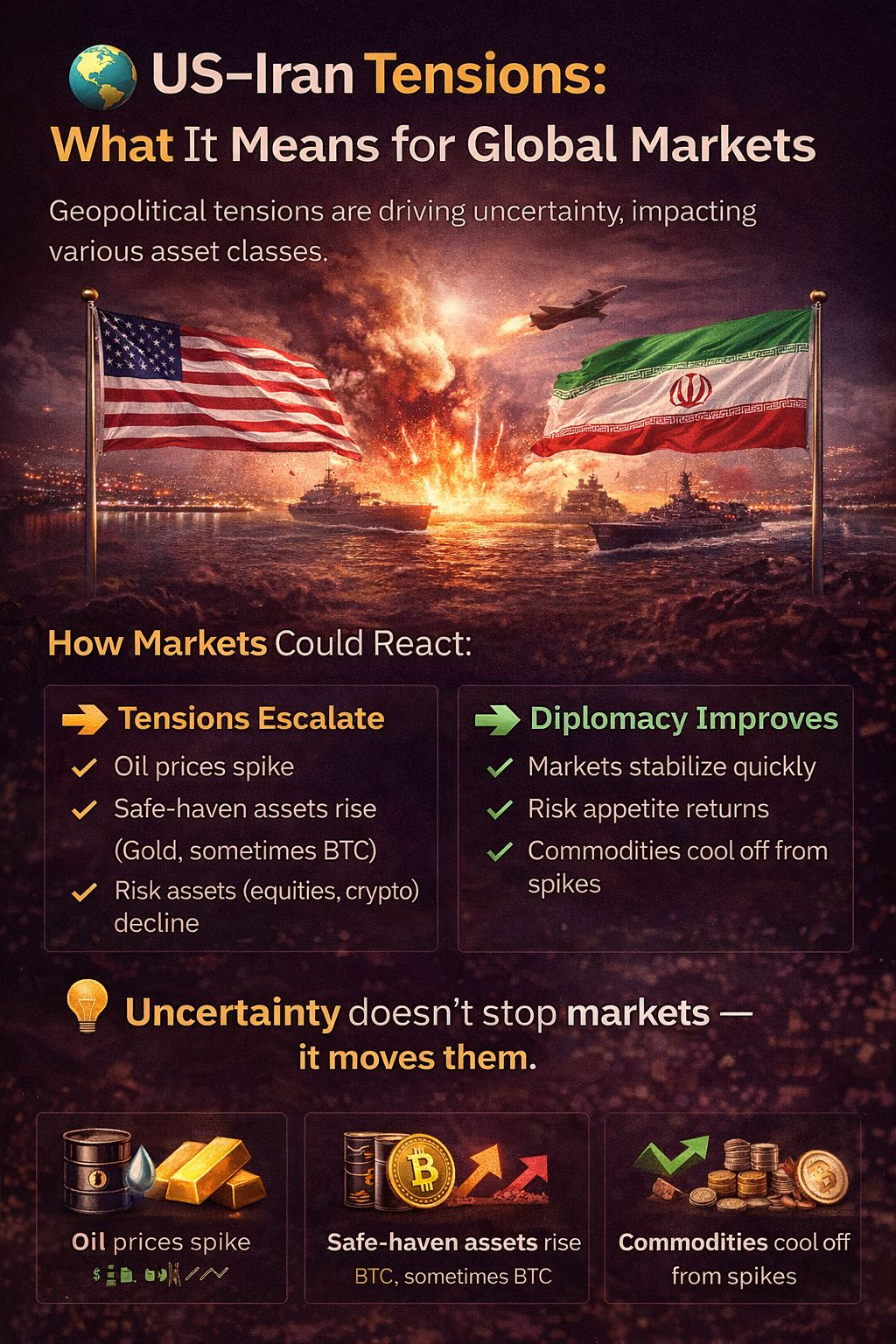 $BTC
$BTC
