Parte I: Le Guerre degli Oracle e l'Opportunità da $10 Trillion
La rivoluzione della finanza decentralizzata (DeFi) si è bloccata non per mancanza di innovazione, ma per una disconnessione fondamentale: l'incapacità di integrare in modo sicuro e trasparente gli asset più preziosi del mondo. Mentre Bitcoin ed Ethereum dominano la conversazione, il vero valore verificabile risiede nel mercato degli Asset del Mondo Reale (RWA) — un settore previsto dalle principali istituzioni finanziarie che raggiungerà $10 Trillion entro il 2030.
L'infrastruttura critica per questo ponte è la Rete Oracle Decentralizzata (DON). In questo gioco ad alto rischio, la semplice velocità non è sufficiente; fiducia, verificabilità e personalizzabilità sono la nuova valuta. Questa dettagliata tesi di investimento sostiene che DIA ($DIA), attraverso il suo modello distintivo di approvvigionamento dati e focus strategico sulla convergenza TradFi/DeFi con la sua iniziativa xReal, è unicamente posizionata per catturare una quota sproporzionata di questo monumentale cambiamento di mercato, preparando il terreno per un evento di azione di prezzo significativo.
Il Problema Fondamentale che DIA Risolve: L'Oracle Black Box
Il modello oracle tradizionale, anche all'interno della DeFi, spesso opera come una "black box."1 Un protocollo richiede un feed di prezzo (ad es., ETH/USD), e un numero aggregato viene consegnato al contratto smart.2 Anche se questo funziona, il processo sottostante—la selezione delle fonti di dati, la metodologia di aggregazione e l'esclusione degli outlier—è frequentemente opaco. Questa mancanza di trasparenza verificabile introduce un rischio sistemico significativo, specialmente quando si tratta di titoli tokenizzati, obbligazioni e altre RWA sensibili che richiedono una provenienza di dati di grado istituzionale.
I USP Core di DIA: Il Trifecta della Trasparenza
L'approccio di DIA è un cambiamento radicale per il settore RWA, costruito su tre pilastri di trasparenza verificabile:3
Metodologia Open Source & Scrutinata: DIA utilizza un modello di dati governato dalla comunità e crowdsourcing.4 A differenza dei concorrenti che spesso si affidano a aggregatori di dati proprietari, la logica di sourcing e aggregazione di DIA è 100% open-source e verificabile on-chain.5 Ogni fonte di dati (scambio, DEX, API) e ogni passaggio del calcolo è pubblicamente verificabile, eliminando il rischio del "black box".6
Feed di Dati a Lungo Raggio e Personalizzati (Il Vantaggio RWA): Le RWA sono diverse: dai titoli di stato tokenizzati ai fondi di credito privati.7 Un feed di prezzo cripto generico non può soddisfare questa domanda. Il modello di richiesta unico governato da DAO di DIA consente a qualsiasi sviluppatore o partner istituzionale di finanziare una "ricompensa dati" in token DIA per un feed di dati specifico e su misura (ad es., il prezzo del fondo BUIDL di BlackRock su una catena specifica).8 Questa personalizzazione guidata dalla domanda garantisce che DIA possa integrare i dati esoterici necessari per tokenizzare beni tradizionali complessi, una capacità critica per scalare l'adozione delle RWA.
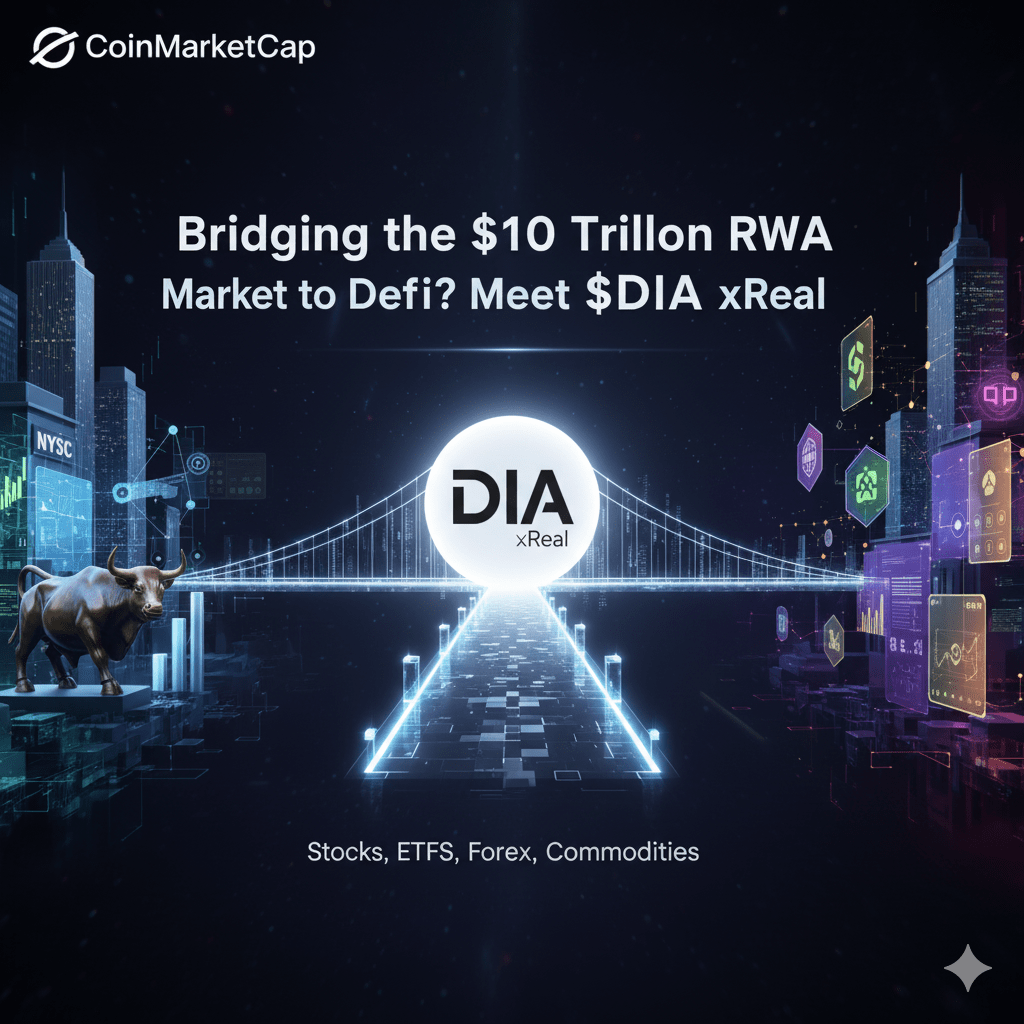
xReal: Il Livello di Integrazione TradFi: Questo è il punto di riferimento di DIA nel mercato da $10 trilioni.9 La suite di prodotti xReal fornisce feed di prezzo verificabili e sicuri per oltre 1.000 Asset del Mondo Reale, inclusi azioni globali, ETF, coppie Forex e materie prime, direttamente ai contratti smart. Questo posiziona DIA non come un oracle cripto, ma come l'infrastruttura essenziale che collega i mercati di capitali globali alla blockchain.
Parte II: Il Setup Tecnico—L'Accumulazione Precede l'Accelerazione
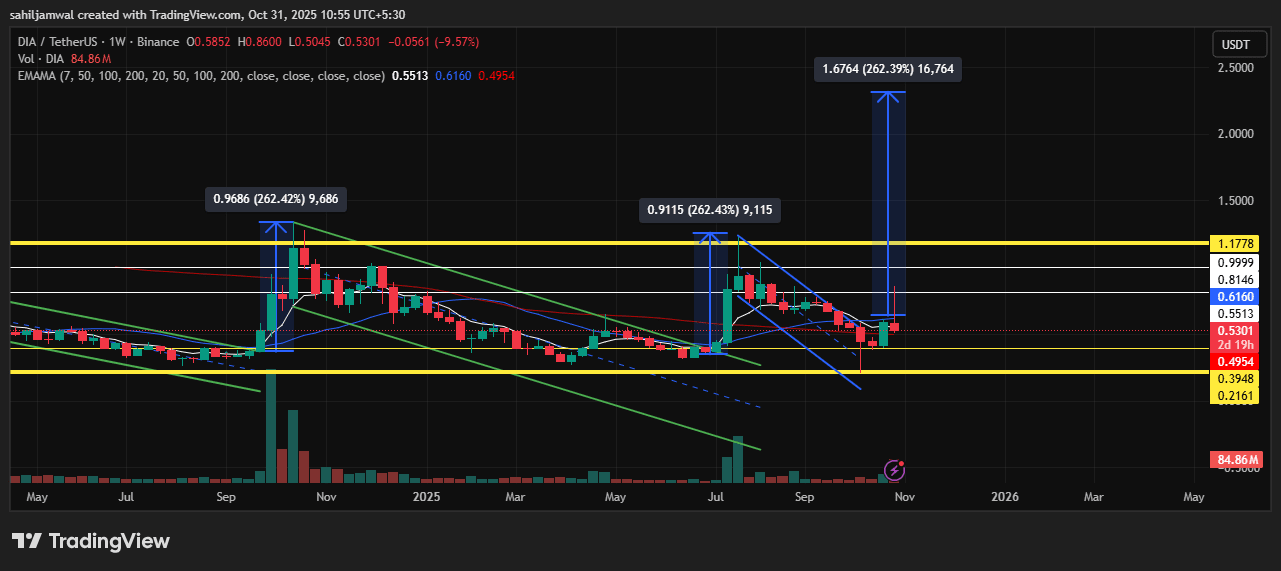
Una potente narrativa fondamentale deve essere confermata dall'azione del prezzo tecnico. Guardando al grafico settimanale $DIA/USDT, osserviamo un classico modello di accumulo dopo una significativa correzione di mercato. Questo modello suggerisce fortemente che il denaro intelligente ha assorbito pazientemente l'offerta, caricando la molla per il prossimo movimento impulsivo.
Analisi del Grafico Settimanale (Riferendosi all'Immagine Fornita)
1. La Fondazione Rialzista: Forte Supporto e Consolidamento
Zona di Accumulo: L'azione del prezzo ha stabilito una base di consolidamento incredibilmente forte e multi-mese tra la zona di supporto $0.39 e $0.49. Quest'area (la "GOOD ZONE" nel grafico) rappresenta un rifiuto storico di prezzi più bassi, un chiaro segno di liquidità profonda e robusta domanda di acquisto.
Il Crossover EMAMA: Vediamo le medie mobili esponenziali a breve termine (EMAMAs) iniziare a comprimersi e poi girarsi verso l'alto, incrociando le EMAMAs a lungo termine. Questa convergenza e successiva separazione sono un indicatore chiave di cambiamento di momentum da un dominio ribassista a uno rialzista—un segnale chiave per una nuova tendenza macro.
Conferma del Profilo di Volume: Il volume ha mostrato picchi distintivi che coincidono con il retest della zona di supporto, indicando una forte difesa del pavimento. Più recentemente, vediamo il volume iniziare a salire nei movimenti al rialzo, un segnale classico di riaccumulo.
2. La Tesi di Rottura: Livelli Chiave di Resistenza
Il prossimo ostacolo principale è un soffitto di resistenza ben definito che ha limitato i precedenti rialzi:
La Cruciale Banda di Resistenza $0.81 – $0.99: Questo è il livello più significativo. È una zona di offerta storica che rappresenta la fase finale di distribuzione dal precedente massimo locale. Una chiusura settimanale pulita e ad alto volume sopra $1.00 trasformerebbe definitivamente questa resistenza principale in un nuovo supporto potente.
3. Predizione dell'Azione del Prezzo e Obiettivi
L'analisi tecnica fornisce una chiara tabella di marcia per la traiettoria attesa una volta che il mercato superi l'offerta sovrastante:
Obiettivo a Breve Termine (Fase di Conferma): Dopo una rottura confermata del segno $1.00, l'obiettivo tecnico iniziale, basato sul principio del retest del massimo precedente, è il livello $1.17.
Obiettivo a Medio Termine (Fase di Momentum): Una volta superato il livello $1.17, c'è un significativo 'vuoto di volume' sul grafico. Questo suggerisce che il movimento del prezzo potrebbe accelerare rapidamente verso la prossima resistenza psicologica e tecnica principale a $1.50.
Obiettivo Macro (Proiezione del Ciclo Bull): Il vero potenziale di una rottura da una struttura di accumulo a lungo termine è misurato dalla profondità del modello. Proiettare il movimento di rottura dall'intervallo di consolidamento suggerisce un forte obiettivo macro: $2.00 – $2.50+. Questo obiettivo si allinea non solo con metriche tecniche ma anche con un ragionevole multiplo di valutazione basato sulla crescita esplosiva nel settore RWA.
Parte III: Le Tokenomics & Il Volano dell'Ecosistema: Alimentare la Domanda
A differenza dei token puramente guidati dalla speculazione, $DIA è un asset di utilità integrale con forti incentivi cripto-economici progettati per guidare l'adozione e garantire la sicurezza della rete.10
Tokenomics Deflazionari e Utilità
Offerta Massima Fissa: Con un'offerta massima fissa di 200 milioni $DIA token, l'asset è intrinsecamente scarso.11 Non ci potrà mai essere inflazione tramite nuova coniazione, rendendolo un potente deposito di valore a lungo termine man mano che l'utilità aumenta.
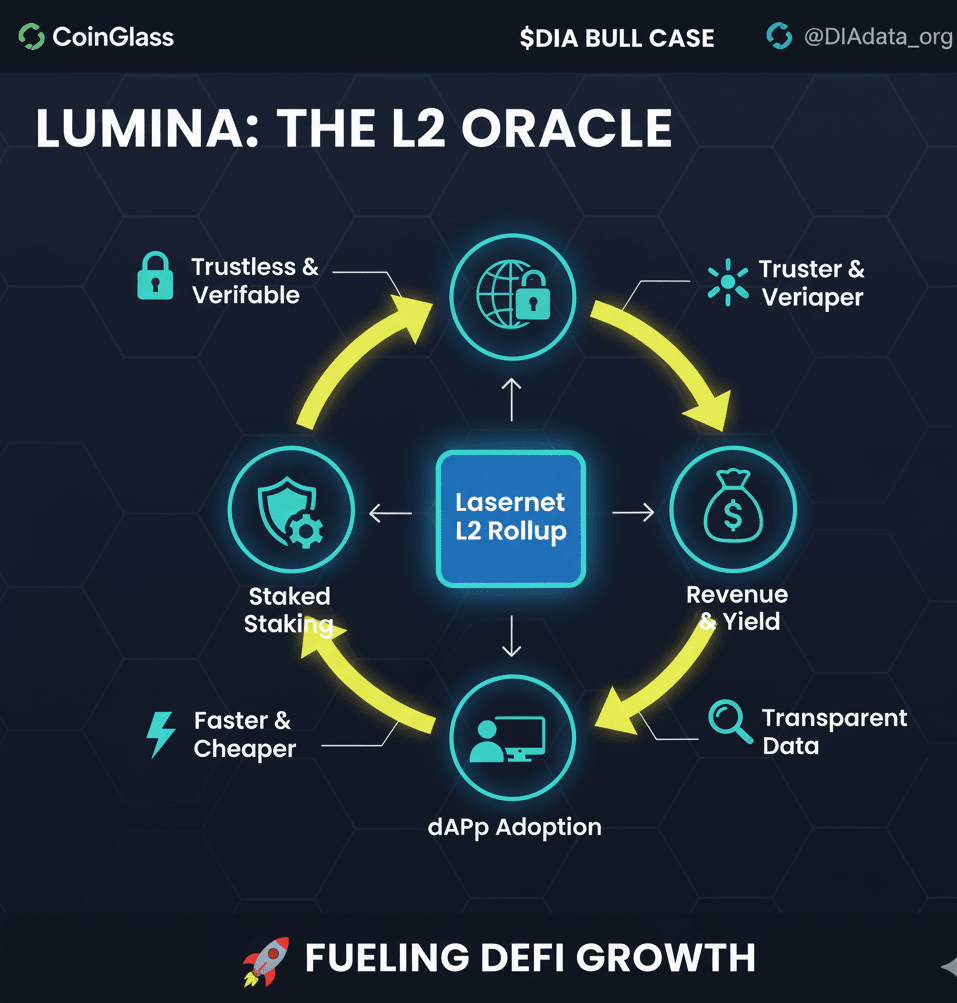
Il Lockup Utilità (Staking Mainnet): Il token DIA è la spina dorsale del sistema di governance decentralizzato e di validazione dei dati.12 I detentori devono mettere in staking $DIA per partecipare a:
Validazione dei Dati: Gli staker sono incentivati a garantire l'accuratezza dei feed di dati.13 I comportamenti malevoli sono penalizzati, mentre la segnalazione onesta è premiata, creando uno strato di sicurezza criptoeconomica robusto.
Governance: Gli staker votano su decisioni operative chiave, inclusa l'implementazione di nuovi feed di dati, che dirigono la cattura del valore della rete.
L'Acceleratore di Adozione (Programma di Sovvenzioni): Una parte delle entrate delle commissioni del protocollo viene riciclata per finanziare il Programma di Sovvenzioni Oracle.14 Questo offre servizi oracle gratuiti a dApp emergenti su oltre 20+ blockchain supportate (Arbitrum, zkSync, Avalanche, ecc.). Questa mossa strategica rimuove la barriera dei costi iniziali per gli sviluppatori, potenzia la crescita dell'ecosistema e crea un volano auto-rinforzante.
Il Catalizzatore RWA: Il Momento è Adesso
Il mercato non sta più aspettando le RWA; le RWA sono qui. Il fondo tokenizzato di BlackRock (BUIDL) e i prodotti di Franklin Templeton ne sono prova.16 La domanda per feed di dati trasparenti e di grado istituzionale sta esplodendo.
xReal di DIA è perfettamente tempistica. Poiché le principali istituzioni richiedono dati validati e trasparenti per i loro asset on-chain, si orienteranno verso l'integrità verificabile che la metodologia open-source di DIA fornisce rispetto ai modelli oracle concorrenti "fidati di me". Questa adozione istituzionale si tradurrà direttamente in domanda per il token DIA per garantire e finanziare questi nuovi flussi di dati ad alto valore.
Parte IV: Tesi Macro e Predizione del Prezzo a Lungo Termine
DIA è attualmente sottovalutato rispetto ai suoi concorrenti quando si considera la sua posizione di mercato. I concorrenti spesso vantano un alto Valore Totale Sicuro (TVS), ma quella metrica è retrospettiva. Per la rivoluzione RWA, una metrica più rilevante è il Valore Totale Potenziale (TVP), che misura la dimensione del mercato indirizzabile e l'allineamento delle infrastrutture.
Il TVP per DIA è enorme, essendo intrinsecamente legato al mercato RWA da $10 trilioni. Come pezzo vitale dell'infrastruttura dati, la sua valutazione dovrebbe riflettere la sua necessità strategica.
La Predizione Finale del Prezzo per il Ciclo 2026
Considerando il forte accumulo tecnico, la scarsità dell'offerta di token fissa e la posizione strategica all'incrocio tra DeFi e il mercato RWA da trilioni di dollari:
Obiettivo Conservativo a Medio Ciclo (2025): Proiettiamo che DIA supererà comodamente l'obiettivo tecnico a medio termine di $1.50, stabilendo un forte pavimento di supporto tra $1.50 e $1.80 mentre la narrativa RWA entra nel mainstream.
Obiettivo Zenith del Ciclo Bull (2026): Al picco del prossimo ciclo principale, con una diffusa adozione istituzionale delle RWA, DIA è posizionata per sfidare e superare il segno di $2.00. Il nostro obiettivo di convinzione per il ciclo è $2.50+. Questo rappresenterebbe una valutazione che è ancora modesta rispetto alla dimensione di mercato RWA prevista ma giustamente ricompensa il suo ruolo critico come infrastruttura oracle trasparente.
In Conclusione: L'Oracle della Nuova Era Finanziaria
DIA non è solo una sfidante nelle guerre degli oracle; sta costruendo un nuovo framework più trasparente unicamente adatto per la convergenza di TradFi e DeFi.17 La confluenza di un modello di accumulo di diversi mesi, un token deflazionario e guidato dall'utilità, e la cattura strategica del mercato RWA attraverso xReal rende Dia uno dei giochi infrastrutturali più interessanti nel mercato di oggi. Il palcoscenico è impostato.