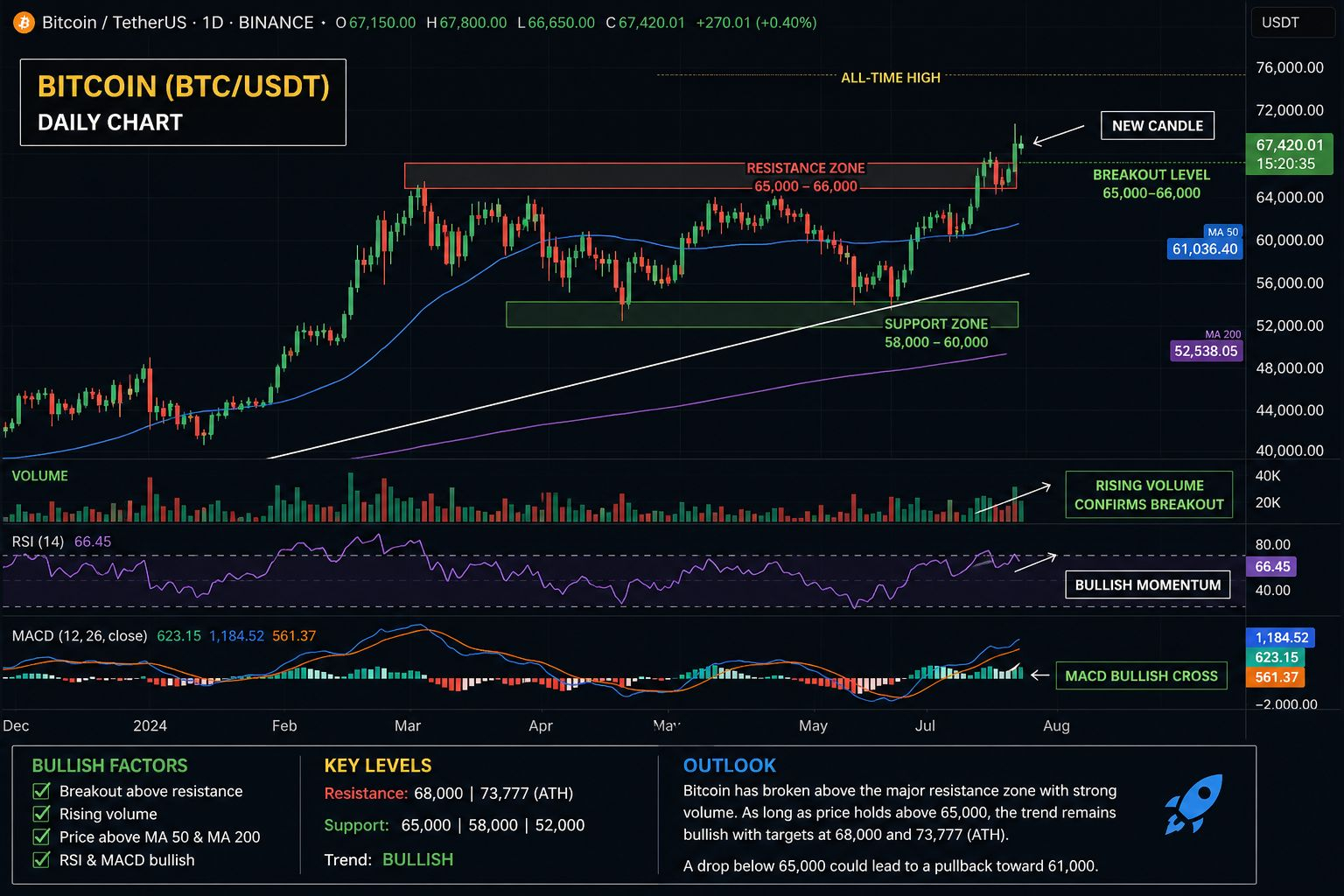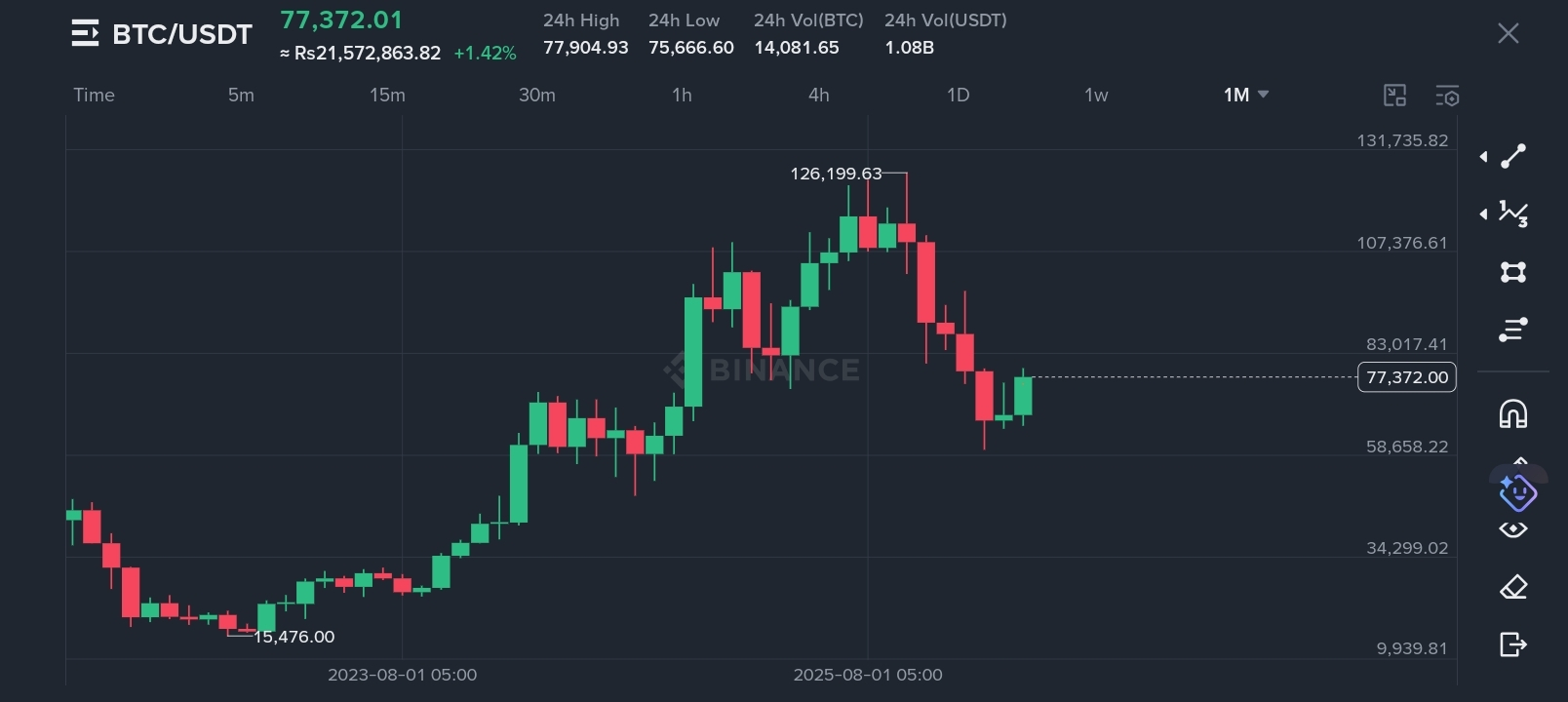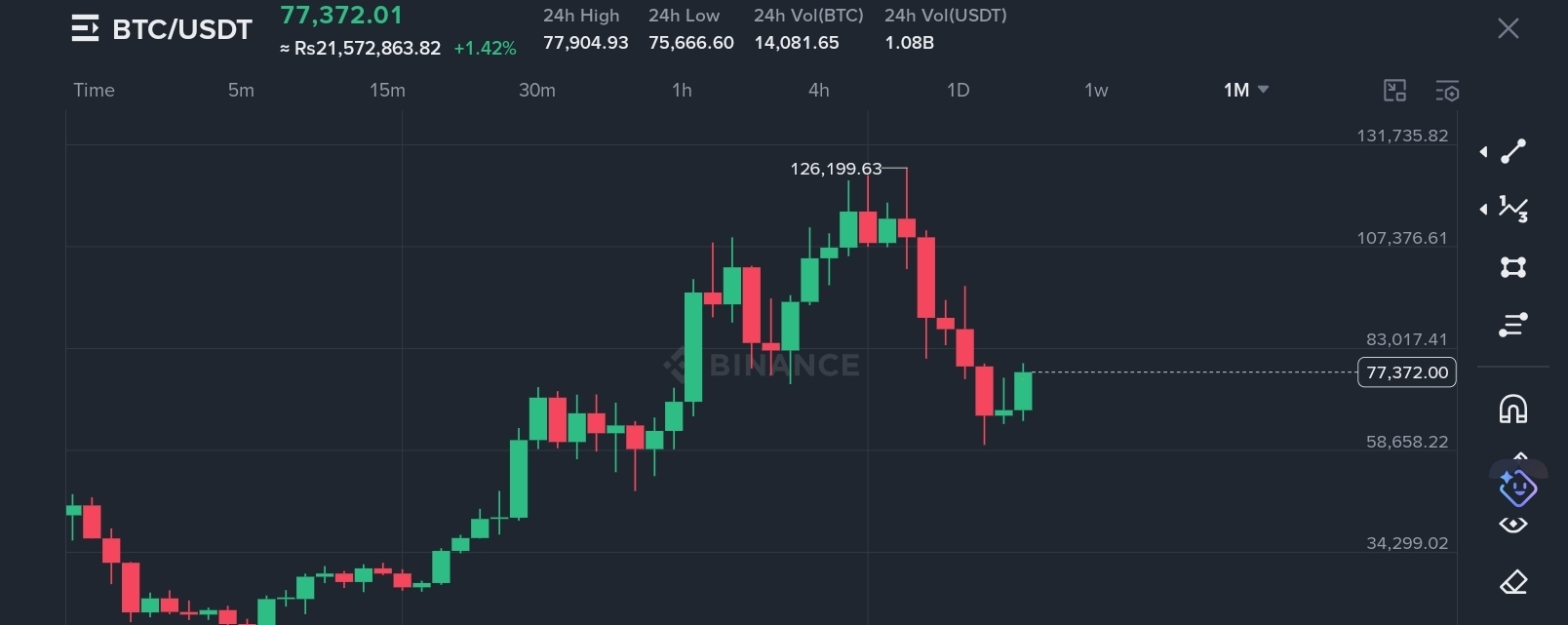
$BTC Bitcoin’s current outlook hinges on three forces: liquidity, institutional demand, and market structure. When global liquidity expands — lower real rates, slower quantitative tightening, or renewed stimulus — Bitcoin tends to outperform because it behaves like a high-beta monetary asset. When liquidity tightens, Bitcoin often trades more like a risk asset alongside tech equities.
Institutional participation remains the biggest structural shift. Spot ETFs, corporate treasury allocations, and custody infrastructure have reduced friction for large capital. This tends to dampen extreme downside volatility over time, but it also introduces slower, macro-driven cycles. Instead of purely retail-driven boom/bust patterns, Bitcoin now reacts to bond yields, dollar strength, and risk appetite.
On-chain dynamics still matter. Long-term holder supply generally increases during consolidation phases and declines during euphoric rallies. When coins move from long-term holders to exchanges, it often signals distribution. Conversely, declining exchange balances usually reflect accumulation. Miner behavior is also key: post-halving periods historically tighten new supply, but miner selling during weak price action can create short-term pressure.
Technically, Bitcoin typically cycles through four phases:
* accumulation (low volatility, sideways)
* expansion (breakout with rising volume)
* distribution (volatile range near highs)
* markdown (sharp corrections)
Breakouts above prior cycle highs tend to trigger momentum flows, while loss of major moving averages (like the 200-day) often accelerates downside.
Bullish factors:
* Continued ETF inflows / institutional allocation
* Weakening USD or falling real yields
* Post-halving supply compression
* Growing sovereign or corporate adoption narratives
Bearish risks:
* Sustained high interest rates
* Equity market drawdowns (risk-off contagion)
* Regulatory restrictions in major markets
* Leverage buildup leading to liquidation cascades
Long-term, Bitcoin’s thesis remains tied to scarcity (fixed supply), neutrality (no central issuer), and portability. Short-term, it behaves more like a macro liquidity barometer than a purely independent asset.
#LayerZeroBacksDeFiUnitedWithOver10000ETH
#CFTCWillUseAItoReviewCryptoRegistrations
#BitMineIncreasesEthereumStaking