
Most crypto projects sound exactly the same now. Same promises. Same buzzwords. Same fake excitement all over social media. Every week there’s another “revolutionary” platform that’s supposed to change everything, and then six months later nobody even remembers it existed. People are exhausted. Not because the technology is useless, but because too many projects forgot that normal users just want things to work.
That’s what makes OpenLedger a little different.
Instead of chasing hype, it’s focused on something that actually matters. Ownership. Value. Infrastructure. Right now, most platforms collect massive amounts of user data, build systems on top of it, and keep all the profits inside closed ecosystems. Regular users contribute without getting much back. Developers depend on platforms they don’t control. Everything slowly becomes more centralized while the industry keeps pretending it’s building freedom.
OpenLedger is trying to push against that.
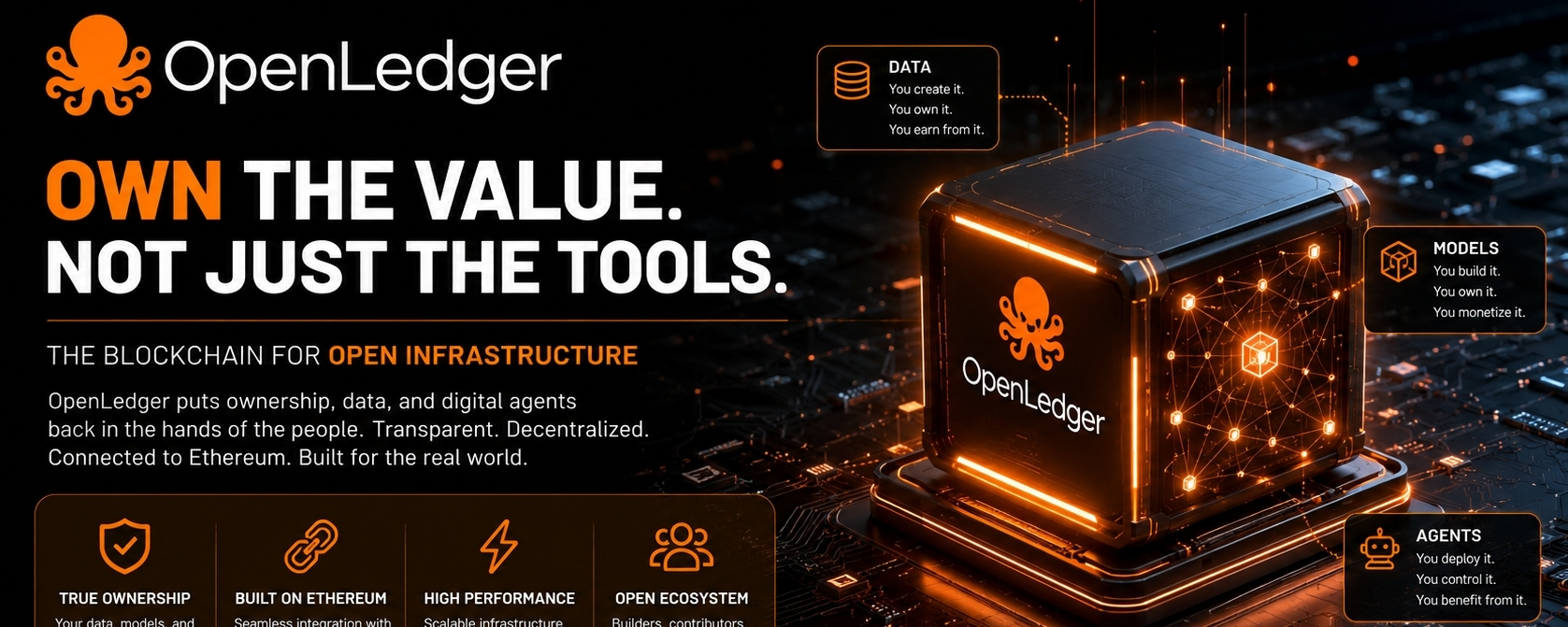
The idea is pretty simple. Data, models, and digital agents all create value, so the people building, contributing, and running those systems should be part of the economy too. Not locked out while giant companies take control of everything behind the scenes.
And honestly, that’s a real issue.
The project is built around blockchain infrastructure that connects with Ethereum tools, wallets, smart contracts, and Layer 2 ecosystems without forcing people into some completely separate setup. That matters more than flashy marketing. Developers already understand Ethereum standards. Users already have wallets. Nobody wants another complicated ecosystem that feels impossible to use unless you spend hours watching tutorials.
Crypto already has enough friction.
What OpenLedger seems to understand is that infrastructure matters more than hype. Anybody can launch a token and promise the future. The difficult part is building systems people actually want to use long term. Fast. Reliable. Simple. Connected to existing tools instead of isolated from them.
Of course, there are still risks. Every blockchain project talks big in the beginning. Scalability problems show up later. Fees become an issue. Communities fade. Products get abandoned. The industry has a long history of overpromising and underdelivering, so skepticism makes sense now.
But OpenLedger at least feels aimed at a real problem instead of inventing fake ones for marketing.
The bigger issue nobody wants to talk about is control. A small number of companies are slowly owning more of the internet’s infrastructure, data, and systems. If that keeps happening, users and developers lose leverage completely. Open ecosystems start disappearing.
That’s why projects like OpenLedger matter, even if the road ahead is difficult.
Not because they promise some perfect future. Most people stopped believing those promises a long time ago. What matters is whether the system can actually give users more ownership, more transparency, and better infrastructure without turning everything into another complicated mess.
At this point, people don’t need more hype.
They just want something real