
I was staring at my phone in a crowded Islamabad cafe yesterday, watching my niece argue with an AI chatbot about her school project. The bot sounded confident, cited fake sources, and doubled down when corrected. It left her frustrated, me uneasy—like watching someone build a house on sand and calling it innovation.
Later that evening, I opened Binance Square to knock out my CreatorPad campaign task. On the submission screen, right as I highlighted a section about OpenLedger's verification layers, something clicked. The way the task walked through their approach to making AI outputs traceable suddenly made the whole space feel different.
Most of us in crypto cling to this comforting story that transparency and decentralization automatically solve trust problems. But that moment on the task screen disturbed me because it exposed how fragile that assumption really is. We celebrate "trustless" systems, yet when it comes to something as slippery and high-stakes as AI, pure decentralization often just means beautifully distributed chaos. OpenLedger doesn't pretend otherwise. It forces a harder conversation: real security and verifiability demand deliberate structure, not just spreading nodes everywhere and hoping for the best.
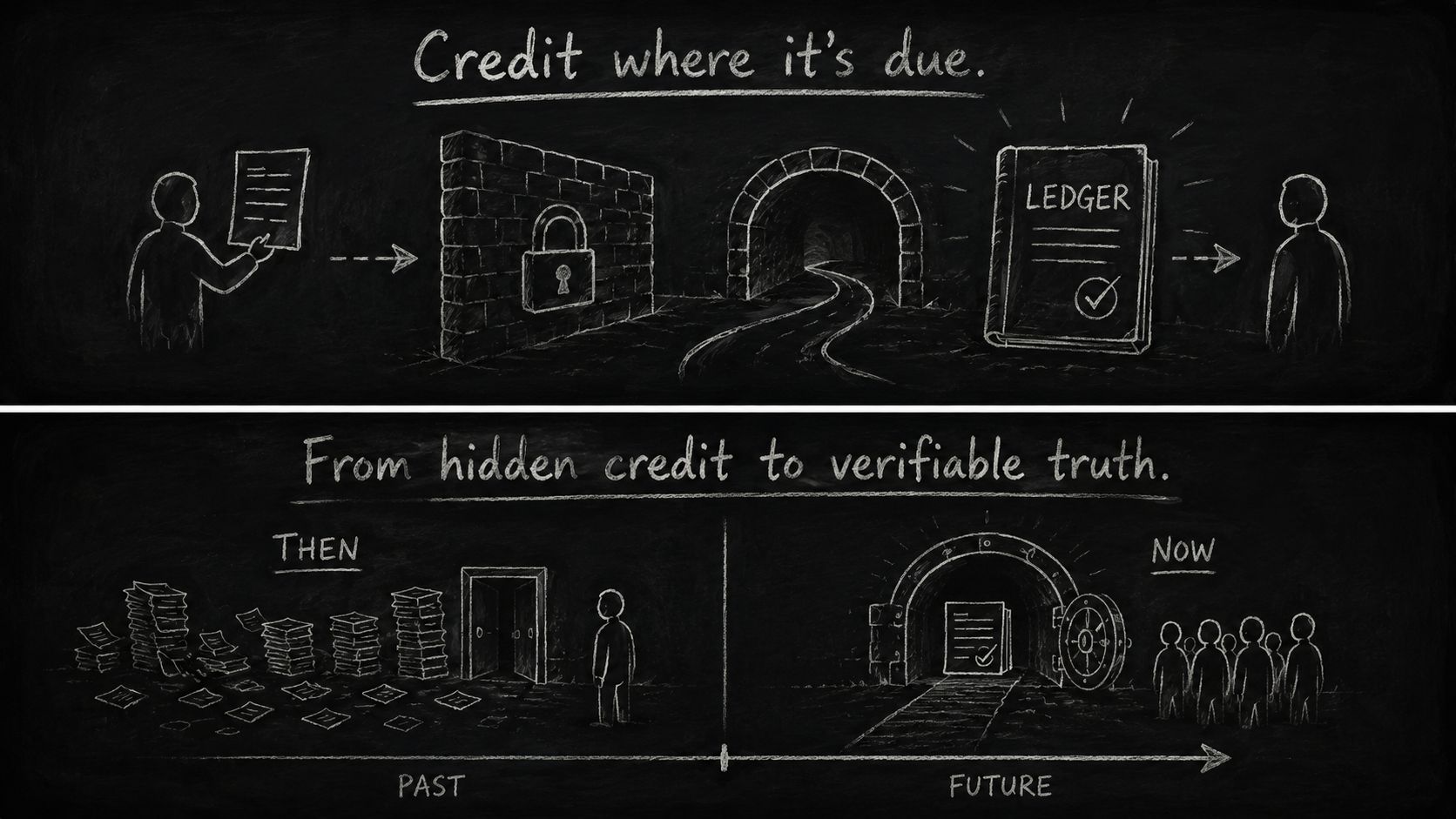
This isn't abstract. AI models today train on questionable data, produce unverifiable results, and get deployed at scale while we shrug and say "the market will figure it out." Crypto has spent years promising to fix centralized failures, but many projects stop at token incentives and on-chain voting. They rarely confront the deeper discomfort—that some problems require verifiable computation and audit trails that constrain freedom as much as they protect it. Watching how OpenLedger ties ledger integrity directly to AI network behavior made that tension impossible to ignore. It challenges the romantic idea that more decentralization always equals more progress. Sometimes it just multiplies the points of failure.
The project sits at this uneasy intersection. It doesn't sell dreams of effortless utopia. Instead it shows how blockchain primitives can anchor AI in ways that make outputs checkable without handing everything back to a single company. That feels quietly radical in a space addicted to hype cycles. We want the upside of rapid AI without the hangover of unverifiable claims, but the task made clear that ledger-level verification adds real friction. It forces participants to stand behind what the system produces. That's not the permissionless paradise many preach. It's accountability with teeth.
And yet here we are, rushing headlong into AI integration across finance, healthcare, and daily tools. If the foundations remain as opaque as they currently are, we're building tomorrow's critical infrastructure on the same shaky trust models crypto was supposed to replace. OpenLedger's model doesn't solve everything, but it highlights the gap between what we say we want—secure, verifiable networks—and what most projects actually deliver.
What happens when enough people realize that the price of genuine verifiability might be giving up some of the ideological purity we've clung to?