

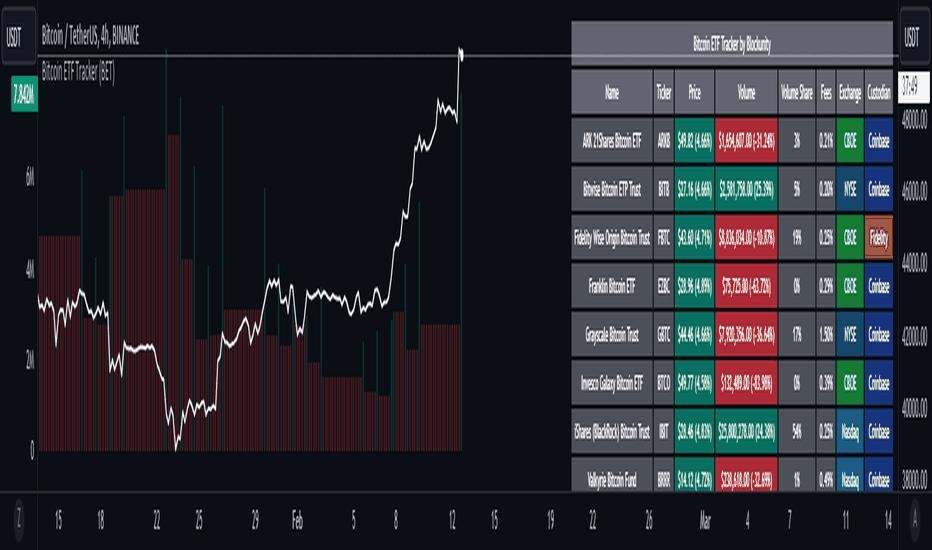
$BTC in 2026 is increasingly behaving like a mature macro asset rather than a purely speculative cryptocurrency. Institutional adoption continues to expand through ETFs, corporate treasury holdings, and regulated custody solutions, which has strengthened long-term demand. Analysts increasingly believe the traditional four-year crypto cycle is weakening as steady institutional inflows stabilize the market.
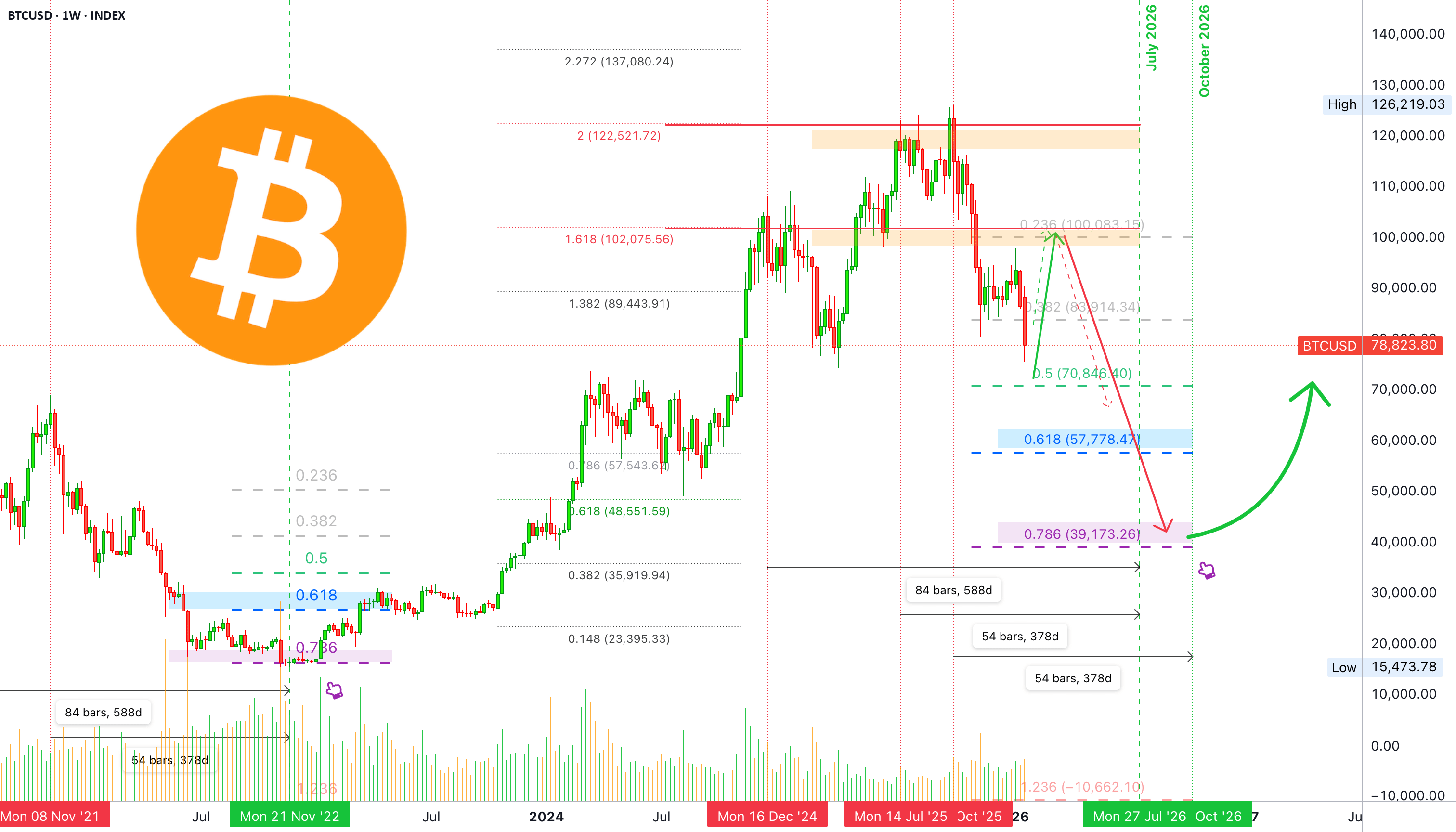
Market sentiment remains cautiously bullish. Several research firms project Bitcoin could trade between $100,000 and $150,000 during the broader 2026 cycle if ETF inflows and favorable macroeconomic conditions continue. However, volatility is still driven by interest rates, inflation policy, and global geopolitical tensions.
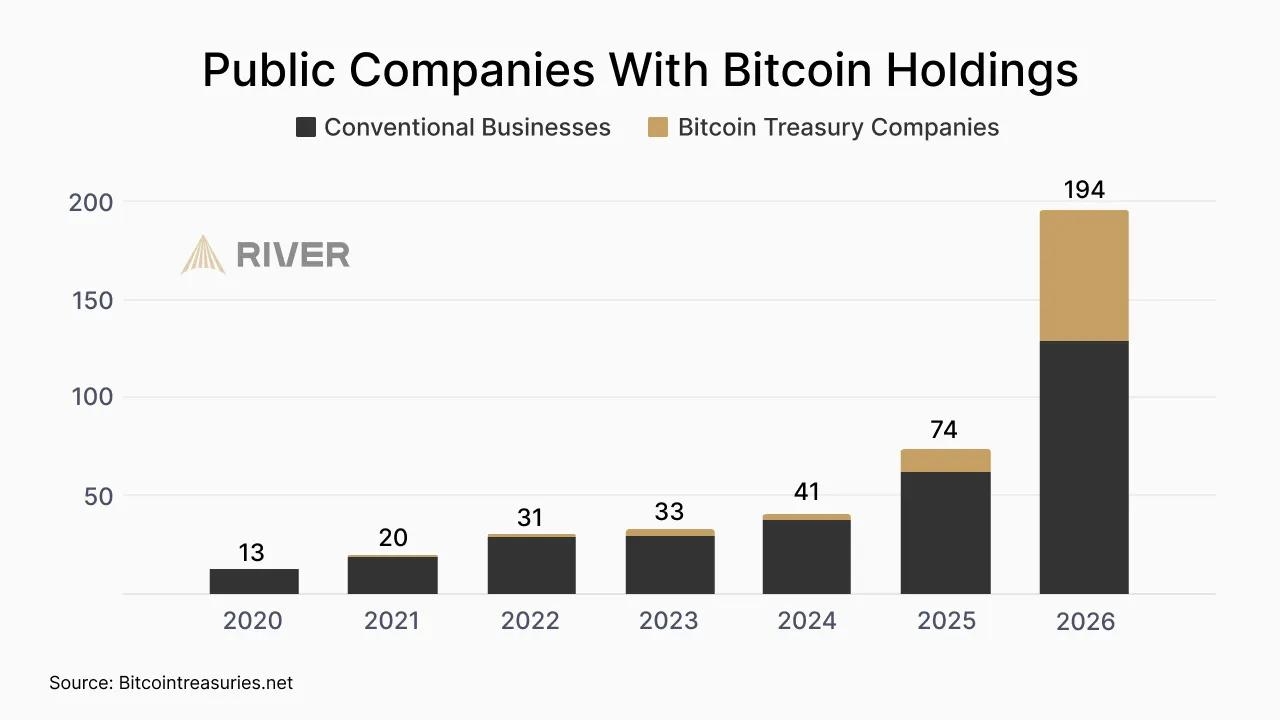
A major trend in 2026 is the shift from retail speculation toward institutional infrastructure. Banks and asset managers such as Morgan Stanley and Goldman Sachs are expanding Bitcoin-related products, reinforcing Bitcoin’s role as “digital gold” within diversified portfolios.
Despite the optimistic outlook, risks remain significant. Tight monetary policy, ETF outflows, or global economic slowdowns could trigger sharp corrections. Bitcoin is still highly volatile, and investors continue to monitor macroeconomic data closely.
#Trump'sIranAttackDelayed #PolymarketNasdaqPredictionMarketPartnership #StriveAcquires382BTCFor$30.3M #CanaanNordicHeatRecoveryMining