

I’ve been thinking a lot about what happens when AI agents stop being “tools” and start becoming economic participants.
Not assistants.
Participants.
Because once autonomous agents begin :
executing trades
managing liquidity
deploying capital
consuming compute
coordinating tasks
they eventually need financial infrastructure.
And honestly, most people still underestimate how weird that future gets.
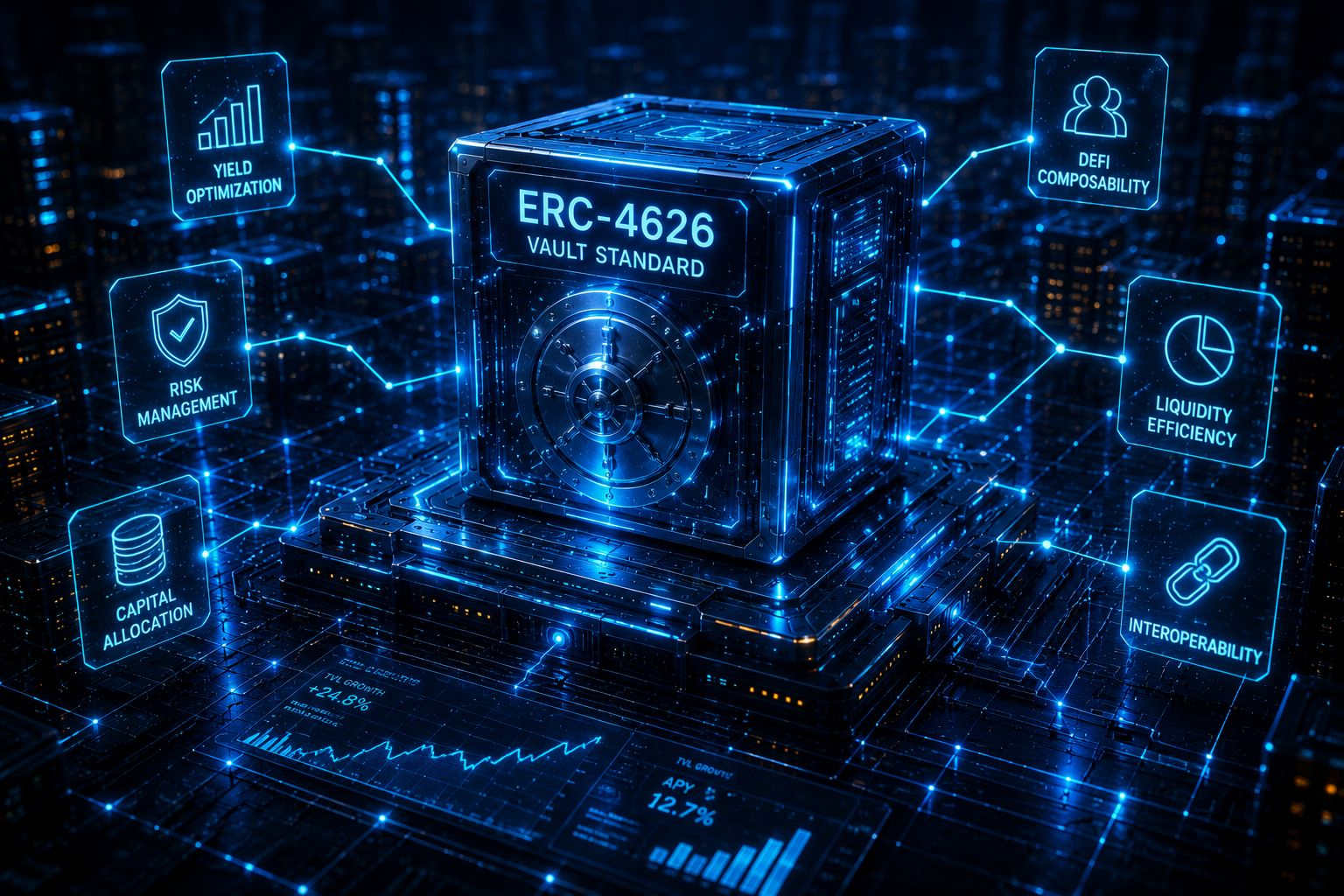
That’s partly why the ERC-4626 direction from @OpenLedger caught my attention.
At first glance, vault integrations sound like standard DeFi infrastructure.
But I think there’s a much larger implication here.
We’re moving toward a world where AI-native systems may need:
programmable treasury management
yield-bearing idle capital
autonomous allocation logic
machine-managed financial coordination
That changes the role of DeFi entirely.
It stops being just “human users farming yield.”
Instead, DeFi becomes middleware for autonomous economies.
And that’s a completely different narrative.
The interesting thing about ERC-4626 isn’t the standard itself.
It’s what standardization enables.
Composable vault infrastructure sounds boring until you realize autonomous systems depend heavily on interoperability.
Agents can’t efficiently coordinate if every financial primitive is fragmented.
Standardization reduces friction. Friction reduction increases scalability. Scalability creates ecosystems.
That pattern repeats everywhere in infrastructure history.
TCP/IP standardized internet communication. Containers standardized deployment portability. ERC standards standardized token interoperability.

The systems that win long-term are usually the systems that make coordination easier.
Not louder.
That’s why I think OpenLedger’s positioning is becoming more interesting over time.
The project increasingly feels like infrastructure designed for AI-native economic coordination rather than isolated AI applications.
And honestly, very few projects seem to be thinking at that layer yet.
Most AI discussions today still revolve around:
smarter models
better outputs
consumer interfaces
But autonomous economies require something much deeper: financial coordination infrastructure.
Because eventually agents need:
resource allocation
incentive alignment
trust-minimized execution
composable liquidity
autonomous treasury behavior
That starts looking less like software…
…and more like digital economic architecture.
I think that’s where crypto becomes extremely important again.
Not as speculation.
As coordination infrastructure.
One thing I keep noticing is how centralized AI platforms naturally create dependency bottlenecks.
Closed APIs. Closed deployment environments. Closed monetization rails.
That model works for traditional SaaS.
I’m not convinced it works for autonomous machine economies operating at scale.
Open systems scale differently.
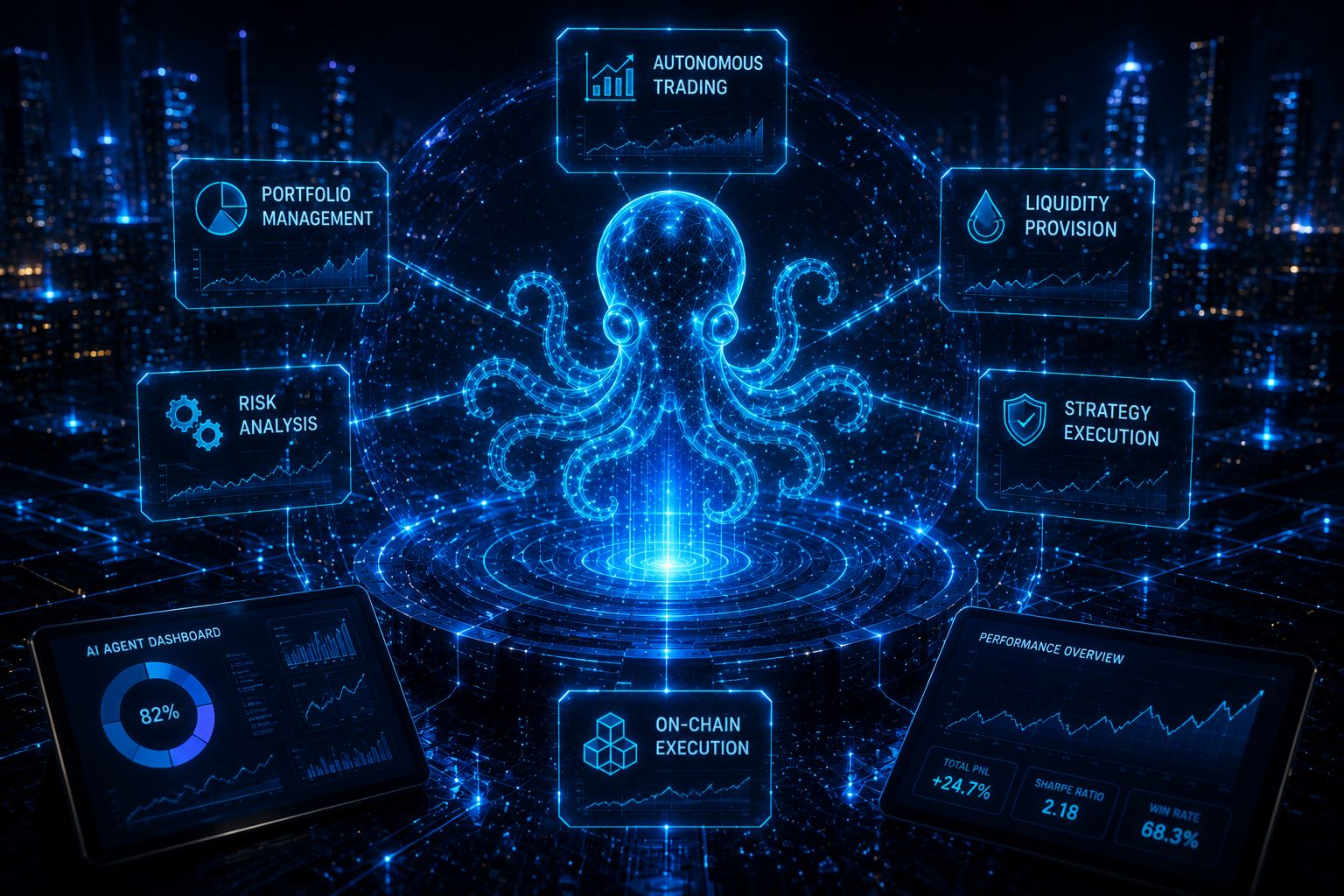
They evolve faster because external builders contribute innovation permissionlessly.
That’s historically how large technological ecosystems emerge.
And OpenLedger seems to be leaning heavily into that open infrastructure direction.
The market probably still sees AI x crypto as a narrative trade.
But under the surface, some teams are quietly building foundational coordination layers for entirely new economic systems.
That’s a much bigger thesis.
Especially if AI agents become persistent economic actors over the next few years.
At that point:
financial infrastructure becomes core infrastructure.
And the projects preparing for that transition early may end up far more important than people currently expect.
@OpenLedger feels increasingly aligned with that future to me.
Not because of hype.
Because the architecture direction actually makes sense.
