
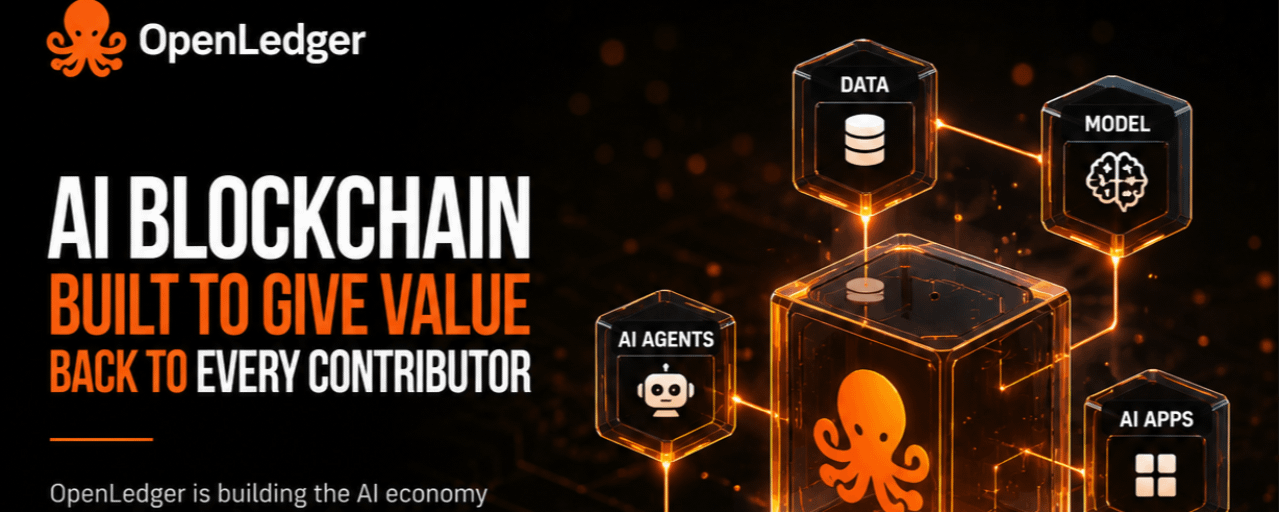
Many people view the digital asset space as a collection of speculative tokens. However, #openledger represents a shift toward solving the fundamental problems of our modern digital economy. It moves past the typical hype to address how we distribute value in an increasingly automated world.
The project focuses on making data, models, and intelligent agents transparent and traceable. By doing so, it ensures that those who build the foundation of new technology receive fair compensation. This is a significant step forward for anyone interested in how we define ownership in the digital age.

When you look at the bigger picture, this initiative changes the relationship between creators and the systems they support. It is not just another #crypto project; it is a framework for a more equitable future. By using the #open protocol, contributors can finally earn from the value they help create.
Key Takeaways
The platform prioritizes transparency for data, models, and intelligent agents.
It addresses the core issue of unfair value distribution in the digital economy.
Contributors gain the ability to earn directly from their creative efforts.
The project moves beyond speculative hype to provide functional utility.
It establishes a new standard for ownership and traceability in technology.
The Evolution of Artificial Intelligence and the Data Dilemma
Artificial intelligence has evolved from a niche academic pursuit into a powerful force that dictates how we search, write, and build. This rapid transformation is fundamentally changing how people learn, automate complex tasks, and make critical decisions in their professional and personal lives.
The integration of #artificialintelligence into our daily routines is no longer a futuristic concept; it is our current reality. As these systems become more sophisticated, they reshape the way we interact with the digital world.
The Rapid Expansion of AI Capabilities
The growth of #ai has been nothing short of exponential. We are seeing a massive shift in how information is processed and delivered to users across the globe. This expansion touches almost every sector of the modern economy.
Consider the ways these tools have changed our daily habits:
Search: Moving from keyword matching to intent-based discovery.
Writing: Enhancing creativity and drafting speed through generative models.
Learning: Providing personalized educational paths for students and professionals.
Automation: Streamlining repetitive workflows to save time and resources.
The Hidden Labor Behind Machine Learning Models
While the output of these systems often feels magical, the reality is grounded in massive amounts of human effort. Every advanced #machinelearning model relies on high-quality data to function correctly. This creates a significant data dilemma for the tech industry.
Behind every algorithm, there is an invisible workforce providing the feedback and labeling necessary for improvement. Without this human input, the progress of #ai would stall, as machines cannot learn complex nuances in isolation.
The current #artificialintelligence landscape faces a critical challenge regarding how this labor is valued. As we continue to push the boundaries of #machinelearning, we must address the sustainability of the data pipelines that power our future. Recognizing the human element is essential to solving the ongoing data dilemma.
The Centralization Problem in Modern AI Development
The rapid growth of modern AI is built upon a foundation of massive, often overlooked, human contributions. Artificial intelligence does not become powerful by itself; it requires constant streams of #bigdata, human knowledge, and iterative feedback loops. Without these essential inputs, even the most advanced models would remain stagnant and ineffective.
How Platforms Capture Value from User Contributions
In the current landscape, many tech giants act as gatekeepers for the information that fuels innovation. When users interact with apps or provide feedback, they are essentially training proprietary systems. Unfortunately, the value generated from these interactions is rarely shared with the people who made the improvement possible.
Most of the financial rewards and intellectual property rights remain locked within the platform. This creates a significant imbalance where the entity controlling the software reaps the benefits of global user participation. This cycle of extraction is a core issue that prevents a more equitable distribution of wealth in the tech sector.
The Invisible Workforce of Data Labelers and Trainers
Beyond casual users, there is an entire invisible workforce dedicated to refining machine learning models. These individuals spend countless hours labeling images, transcribing audio, and correcting errors to ensure high-quality #bigdata outputs. Despite their critical role, they often work in obscurity with little recognition or fair compensation.
Their knowledge is the backbone of modern automation, yet they are frequently excluded from the success of the final product. By exposing this systemic imbalance, we can better understand why a shift toward decentralized models is necessary. Fairness requires that those who provide the intelligence behind the AI are properly rewarded for their efforts.
FeatureCentralized AI ModelsDecentralized AI ModelsData OwnershipPlatform-controlledUser-sovereignValue DistributionConcentrated at the topDistributed to contributorsTransparencyOpaque processesPublicly verifiableIncentive StructureLimited or non-existentDirect on-chain rewards
OpenLedger (OPEN): Turning AI Contributions Into Real On-Chain Rewards
The OpenLedger platform is designed to reshape the relationship between human effort and digital rewards. By creating a transparent ecosystem, it ensures that every participant receives fair compensation for their digital labor. This approach marks a significant departure from traditional models that often overlook the individual contributor.
https://www.youtube.com/watch?v=AlmvcKrS9Ww
Defining the OpenLedger Vision
At its core, the vision of OpenLedger is to democratize the development of #ai technologies. We believe that the people who provide the data and feedback necessary for machine learning should share in the success of those models. Empowerment is the driving force behind this mission.
The platform functions as a decentralized marketplace where contributions are verified and rewarded instantly. By removing unnecessary intermediaries, OpenLedger keeps the value within the community. This creates a sustainable cycle of growth and innovation for everyone involved.
Bridging the Gap Between AI Utility and Financial Incentives
Many users interact with digital systems daily without realizing the value they generate for large corporations. OpenLedger changes this dynamic by turning these interactions into tangible on-chain rewards. Participants can finally see the direct link between their #ai contributions and their financial gains.
To achieve this, the platform utilizes several key mechanisms to ensure fairness and transparency:
Automated Verification: Smart contracts confirm the quality of work before issuing rewards.
Direct Compensation: Users receive tokens directly into their wallets for completed tasks.
Global Accessibility: Anyone with an internet connection can contribute and earn, regardless of their location.
By aligning the interests of developers and contributors, OpenLedger fosters a more collaborative environment. This bridge between utility and incentive is essential for the future of decentralized intelligence. As the ecosystem expands, it will continue to set new standards for how we value human knowledge in the digital age.
The Mechanics of Decentralized AI Ecosystems
The future of artificial intelligence is being rewritten through decentralized protocols. By moving away from closed, proprietary systems, we can create a more equitable environment for everyone involved in the data lifecycle. This shift relies on robust technical frameworks that prioritize openness and user participation.
How Blockchain Technology Enables Fair Compensation
At the heart of this transformation is #blockchain technology. It provides a permanent, immutable ledger that records every contribution made to an AI model. Because this data is public and verifiable, it eliminates the risk of hidden manipulation or unfair credit distribution.
Contributors can finally see exactly how their work impacts the final product. This transparency builds trust within the community, ensuring that every participant knows their effort is being tracked accurately. When data is verified on-chain, the system guarantees that rewards are distributed based on actual contributions rather than arbitrary metrics.
Smart Contracts as the Foundation for Automated Payouts
To make this process efficient, developers use #deai protocols powered by smart contracts. These self-executing programs automatically trigger payments the moment a contribution meets the required criteria. By removing the need for human intermediaries, the system ensures that payouts are both instant and reliable.
This #aiblockchain approach significantly reduces administrative overhead and potential for error. Participants no longer have to wait for manual approvals or worry about payment delays. Instead, the code handles the heavy lifting, providing a seamless experience that empowers users to focus on what they do best: creating high-quality data for the next generation of intelligence.
Valuing Human Knowledge in the Age of Automation
As machines become more capable, the role of human knowledge in guiding their evolution becomes increasingly critical. While automation handles repetitive tasks with speed, it often lacks the context and nuance that people provide. By integrating these unique perspectives, we ensure that technology serves human needs more effectively.
The Role of Feedback Loops in Model Refinement
Continuous improvement is the heartbeat of any successful machine learning project. Feedback loops allow developers to identify errors and adjust parameters in real-time, which significantly boosts model accuracy. When users provide consistent input, they act as the essential "quality control" layer for complex systems.
This iterative process ensures that models do not drift away from reality. By constantly refining the data, we create smarter systems that better understand the complexities of the real world. This collaboration between human insight and machine processing is what drives true innovation.
Quantifying Subjective Contributions for On-Chain Rewards
Recognizing the value of human input requires a transparent and fair system. We focus on quantifying subjective contributions to ensure that every participant receives proper credit for their effort. By utilizing blockchain technology, the platform tracks these inputs and issues on-chain rewards automatically.
This approach transforms intangible knowledge into a measurable asset. It empowers contributors to see the direct impact of their work while receiving fair compensation for their time. The following table highlights how this system compares to traditional data collection methods.
FeatureTraditional ModelsOpenLedger EcosystemData ValidationCentralized and opaqueTransparent and community-ledContributor PayDelayed or non-existentInstant on-chain rewardsInput QualityOften ignoredHighly valued and refinedOwnershipPlatform-ownedUser-sovereign
Data Ownership and Sovereignty for AI Contributors
The era of passive data harvesting is coming to an end as we embrace a new standard for digital sovereignty. For years, the digital economy relied on models that treated user input as free fuel for corporate growth. Today, we are witnessing a necessary shift toward #dataownership that puts the power back into the hands of the creators.

Moving Away from Data Exploitation Models
Traditional AI development often relied on opaque systems where users provided valuable insights without receiving fair compensation. This exploitation model marginalized the very people who made machine learning possible. By moving away from these outdated practices, we can build a more equitable environment for everyone.
The transition to a transparent model ensures that your contributions are no longer hidden behind corporate walls. Instead, they become verifiable assets on the blockchain. This change is essential for fostering trust in the future of artificial intelligence.
Recognition of individual intellectual property.
Fair compensation for data labeling and training.
Transparency in how models utilize personal contributions.
Empowering Users to Control Their Digital Footprint
True #dataownership means you decide how your information is used and who benefits from it. When you control your digital footprint, you gain the agency to participate in the AI economy on your own terms. This level of sovereignty is the cornerstone of a healthy, decentralized ecosystem.
FeatureTraditional ModelOpenLedger ModelData RightsCorporate OwnedUser OwnedCompensationNoneOn-Chain RewardsTransparencyOpaqueFully Verifiable
By leveraging blockchain technology, users can finally manage their data with confidence. This empowerment encourages more people to contribute high-quality information, knowing their efforts are protected. Ultimately, prioritizing #dataownership creates a sustainable foundation for the next generation of AI innovation.
The Role of the OPEN Token in the Ecosystem
At the heart of the #open network lies a versatile token designed to empower every participant. This digital asset serves as the primary engine for value exchange, ensuring that the entire #openledger community remains aligned with the platform's long-term goals.
Utility and Governance Within the OpenLedger Network
The token provides essential utility by granting users access to various services within the decentralized infrastructure. Beyond simple transactions, it acts as a governance tool that allows holders to influence the future direction of the project.
By participating in voting processes, community members can propose and approve changes to the protocol. This decentralized decision-making ensures that the platform evolves according to the needs of its users rather than a central authority.
Staking and Earning Mechanisms for Active Participants
Active contributors can leverage their holdings through staking to secure the network and earn rewards. This mechanism is designed to incentivize long-term commitment, as participants lock their tokens to support the stability of the #openledger ecosystem.
In return for their dedication, users receive consistent payouts based on their level of engagement. These earning opportunities provide a tangible way for contributors to grow their assets while helping to build a more robust and efficient AI infrastructure.
Governance participation: Shape the future of the network through community voting.
Staking rewards: Earn passive income by securing the underlying blockchain.
Platform access: Utilize the #open token to interact with advanced AI data services.
Building a Collaborative AI Future
OpenLedger is redefining the landscape by turning individual contributions into the building blocks of a shared digital intelligence. True innovation thrives when developers have the right tools and incentives to work together on a global scale. This section explores how the platform incentivizes developers to build innovative applications on the network. We will discuss the importance of creating a community-driven infrastructure that encourages collaboration rather than competition. By fostering this environment, the project aims to accelerate the development of high-quality AI tools for the global market.
Incentivizing Developers to Build on OpenLedger
Developers are the lifeblood of any technological ecosystem. To attract top-tier talent, the platform provides robust financial incentives and transparent reward structures. By removing the barriers found in traditional corporate environments, creators can focus on building meaningful solutions.
The network offers grants and token-based rewards for those who contribute high-quality code or data. This approach ensures that developers are fairly compensated for their intellectual labor. It transforms the development process from a solitary task into a rewarding partnership.
Creating a Community-Driven AI Infrastructure
A community-driven infrastructure ensures that no single entity holds total control over the AI landscape. By distributing governance, the network empowers participants to shape the future of the tools they use daily. This collective ownership fosters trust and encourages long-term commitment from all stakeholders.
Collaboration replaces the cutthroat competition often seen in the tech industry. When users and developers work toward a common goal, the entire ecosystem benefits from faster iteration cycles. The following table highlights the key differences between traditional development models and the OpenLedger approach.
FeatureTraditional AI ModelOpenLedger EcosystemIncentive StructureSalary-basedTokenized RewardsData OwnershipCentralized PlatformsUser-ControlledDevelopment StyleCompetitive SilosCollaborative NetworkGovernanceCorporate BoardCommunity-Driven
By fostering this environment, the project aims to accelerate the development of high-quality AI tools for the global market. We believe that shared success is the most sustainable path forward for artificial intelligence. Together, we are building a foundation where every contribution matters.
Overcoming Barriers to Decentralized AI Adoption
While the promise of #decentralizedai is immense, several critical barriers currently stand in the way of mass adoption. Transitioning from centralized silos to a distributed network requires solving complex technical puzzles that have long defined the industry. By addressing these hurdles head-on, the community can build a more resilient and equitable future for machine learning.
Scalability Challenges in AI Data Processing
Processing massive datasets across a distributed network introduces significant latency and throughput issues. Unlike centralized servers that operate in a single high-speed environment, #deai systems must coordinate thousands of nodes globally. This coordination often leads to bottlenecks that can slow down model training and inference times.
To overcome these limits, developers are implementing sharding techniques and edge computing protocols. These methods allow the network to process data closer to the source, reducing the burden on the main chain. Efficiency is the key to ensuring that decentralized systems can compete with the speed of traditional tech giants.
Ensuring Quality Control in Decentralized Data Contributions
Maintaining high standards for data input is essential when the workforce is decentralized and anonymous. Without a central authority to vet every contribution, the risk of low-quality or malicious data increases significantly. Implementing robust verification layers is necessary to protect the integrity of the models being trained.
"The strength of a decentralized network lies not just in its scale, but in the collective ability of its participants to curate and verify the truth of the information provided."
Strategies such as reputation-based scoring and peer-review mechanisms help filter out noise. Contributors who consistently provide accurate, high-quality data earn higher status, which grants them more influence within the ecosystem. This creates a self-regulating environment where quality is rewarded and poor performance is naturally sidelined.
Challenge CategoryTraditional AIDecentralized AIData ProcessingHigh Centralized SpeedDistributed ScalabilityQuality ControlInternal AuditingCommunity ReputationInfrastructureProprietary ServersGlobal Node Network
The Impact of OpenLedger on the Web3 Landscape
OpenLedger stands at the forefront of a movement that transforms how data is valued and rewarded in the digital age. By integrating decentralized protocols, the platform is fundamentally reshaping the #web3 landscape for contributors and developers alike. This shift ensures that the power of #artificialintelligence is no longer confined to a few massive corporations.
Synergy Between Blockchain and Artificial Intelligence
The marriage of #blockchain technology and machine learning creates a robust foundation for trustless collaboration. While AI provides the intelligence to process vast datasets, the ledger ensures that every contribution remains transparent and verifiable. This synergy allows for a more equitable distribution of resources across the entire network.
"The future of technology lies in the intersection of decentralized trust and autonomous intelligence, where every participant is a stakeholder in the growth of the system."
By leveraging these combined strengths, the ecosystem fosters an environment where innovation thrives without the need for central gatekeepers. Users can now participate in complex training tasks with the confidence that their efforts are recorded permanently on-chain. This creates a seamless flow of value that benefits the entire community.
Setting New Standards for Data Monetization
The platform is redefining how value is generated by moving away from traditional exploitation models. Instead of harvesting user data for free, the system provides direct financial incentives for high-quality contributions. This approach sets a new benchmark for fairness in the digital economy.
FeatureTraditional AI ModelsOpenLedger EcosystemData OwnershipCentralized CorporationsIndividual ContributorsReward StructureNone for UsersOn-Chain Token RewardsTransparencyOpaque AlgorithmsVerifiable Ledger Records
This transition empowers individuals to take control of their digital footprint while earning rewards for their expertise. As more participants join, the network becomes increasingly efficient and valuable. Ultimately, this model proves that #web3 can provide sustainable solutions for the most pressing challenges in modern technology.
AI Agents and the Future of Autonomous Work
Autonomous digital workers are no longer science fiction but a tangible reality reshaping our economy. These #aiagents are increasingly capable of performing complex tasks that once required constant human oversight. As these systems evolve, they require reliable data streams and robust incentive structures to function effectively in a global market.
How OpenLedger Supports the Rise of AI Agents
The platform provides the essential infrastructure for these agents to thrive by offering secure access to high-quality datasets. By leveraging #decentralizedai protocols, developers can ensure that their autonomous agents have the information needed to make accurate decisions. This creates a feedback loop where agents continuously improve their performance through verified, on-chain data contributions.
Furthermore, the ecosystem rewards participants who provide the training data necessary for these agents to learn. This #machinelearning approach ensures that the underlying models remain transparent and accountable. By removing the barriers to data access, the network empowers a new generation of autonomous services to operate with unprecedented efficiency.
"The future of work will be defined by the seamless collaboration between human creativity and autonomous machine intelligence, powered by open and transparent protocols."
The Intersection of Machine Learning and Decentralized Finance
The convergence of #machinelearning and decentralized finance creates a powerful engine for economic growth. Autonomous agents can now execute financial transactions, manage portfolios, and provide services without the need for traditional intermediaries. This shift allows for a more inclusive financial system where value is distributed fairly among all contributors.
The following table highlights the key differences between traditional and decentralized agent workflows:
FeatureTraditional AI ModelsDecentralized AI AgentsData SourceClosed, ProprietaryOpen, Community-VerifiedIncentivesCorporate SalariesTokenized RewardsGovernanceCentralized ControlCommunity-DrivenTransparencyOpaque "Black Box"On-Chain Auditability
By integrating #ai capabilities with blockchain-based finance, we are building a foundation for a truly autonomous digital economy. This evolution ensures that the benefits of #decentralizedai are accessible to everyone, fostering a more collaborative and innovative future for all participants.
Security and Transparency in AI Data Pipelines
Transparency serves as the bedrock for any reliable #bigdata infrastructure in the modern digital age. As we integrate decentralized systems into machine learning, maintaining a clear and immutable record of all inputs becomes essential. This approach ensures that every participant can trust the underlying data without needing to rely on a central authority.

Verifying Contributions on the Ledger
The integrity of an AI model depends entirely on the quality of the information it receives. By utilizing #aiblockchain technology, we can create a permanent, time-stamped log of every data contribution. This process effectively prevents fraud by ensuring that only validated and authentic data enters the training pipeline.
Smart contracts act as the gatekeepers in this ecosystem. They automatically verify that each submission meets predefined quality standards before it is accepted. This automated verification removes the risk of human error and ensures that the final model remains robust and reliable.
Protecting User Privacy While Training Global Models
Privacy remains a top priority when dealing with large-scale datasets. We employ advanced cryptographic techniques to ensure that individual user information remains shielded during the training process. These methods allow the system to learn from #bigdata patterns without ever exposing sensitive personal details.
By leveraging techniques like differential privacy and secure multi-party computation, we can maintain high standards of data security. Users retain full control over their digital footprint while still contributing to the growth of global machine learning models. This balance is critical for fostering long-term trust within the community.
Security FeatureTraditional AIOpenLedger SystemData VerificationCentralized/OpaqueTransparent/On-ChainPrivacy ControlLimited/CorporateUser-Centric/EncryptedFraud PreventionManual AuditsAutomated Smart Contracts
The Competitive Advantage of OpenLedger
The true power of #openledger lies in its ability to redefine how we value digital contributions. By moving away from the closed-loop systems of the past, this platform creates a space where every participant is recognized for their work. This shift is not just about technology; it is about building a fairer digital economy for everyone involved.
Differentiating from Traditional AI Platforms
Traditional AI companies often rely on centralized data silos that capture the majority of value for shareholders. In contrast, #openledger distributes rewards directly to the contributors who make machine learning possible. This decentralized approach removes unnecessary middlemen, leading to higher efficiency and better data quality.
By leveraging #crypto infrastructure, the platform ensures that every interaction is transparent and verifiable. Users no longer have to wonder if their efforts are being exploited by large corporations. Instead, they become active stakeholders in a system that values their time and expertise.
Long-Term Sustainability of the Reward Model
Sustainability is the cornerstone of any successful network. The reward model is designed to scale alongside the growth of the AI industry, ensuring that incentives remain attractive over time. By aligning the interests of developers, data providers, and users, the ecosystem creates a self-sustaining cycle of innovation.
This structure prevents the common pitfalls of short-term hype cycles. Because the value is tied to real-world utility and actual data contributions, the platform is positioned for lasting success. The following table highlights the key differences between legacy models and this decentralized approach.
FeatureTraditional AI ModelsOpenLedger EcosystemData OwnershipCorporate ControlledUser SovereigntyReward DistributionCentralized ProfitsAutomated On-ChainTransparencyOpaque AlgorithmsPublicly VerifiableIncentive AlignmentShareholder FocusedCommunity Driven
Conclusion
OpenLedger represents a shift in how we value human input within the digital landscape. By turning individual contributions into tangible on-chain rewards, the platform creates a sustainable model for growth. This approach ensures that every participant receives fair compensation for their role in training advanced machine learning systems.
The integration of blockchain technology brings transparency to a field once dominated by opaque corporate practices. Users now maintain sovereignty over their data while helping to build more accurate and reliable AI models. This collaborative framework invites everyone to participate in the evolution of technology rather than remaining passive observers.
We are witnessing the birth of an equitable ecosystem where human knowledge serves as the primary engine for innovation. OpenLedger proves that decentralized networks can successfully align incentives for developers, contributors, and businesses alike. This commitment to fairness paves the way for a future where artificial intelligence benefits the entire global community.
Join this movement to reshape the digital economy through active engagement. Your participation helps secure a more open and transparent path for the next generation of autonomous tools. The potential for collective progress remains limitless when we prioritize shared value and mutual success.
FAQ
What exactly is OpenLedger (OPEN) and why is it significant?
A: OpenLedger (OPEN) is a revolutionary platform that bridges the gap between artificial intelligence and blockchain. Unlike traditional digital assets, it focuses on solving the value distribution problem in the modern economy. By leveraging DeAI (decentralized AI), OpenLedger turns human knowledge and machine learning contributions into on-chain rewards, ensuring that those who help build AI models actually share in the financial success of those products.
How does OpenLedger solve the "data dilemma" found in centralized AI development?
In the current landscape, companies like OpenAI and Google often rely on an "invisible workforce" to label data and provide feedback, yet the platforms capture almost all the value. OpenLedger changes this by implementing data ownership and sovereignty. It uses blockchain technology to create a transparent system where big data contributors are recognized and fairly compensated for their essential labor.
What is the role of the OPEN token within the ecosystem?
The OPEN token serves as the backbone of the OpenLedger network. It is used for utility and governance, allowing the community to have a say in the project’s direction. Additionally, active participants can engage in staking to earn rewards, providing a direct financial stake in the long-term growth of the aiblockchain infrastructure.
How do smart contracts facilitate rewards for AI contributors?
A: Smart contracts act as the foundation for automated, trustless payouts. When a contributor provides high-quality data or feedback that improves a model, the blockchain records this contribution immutably. The smart contract then triggers an automatic payment in crypto, removing the need for middleman intermediaries and ensuring that compensation is both fair and fast.
How does OpenLedger protect user privacy while training global machine learning models?
Security and transparency are top priorities in our AI data pipelines. OpenLedger uses advanced cryptographic methods to verify contributions on the ledger without exposing sensitive personal information. This approach empowers users to maintain control over their digital footprint while still participating in the global decentralizedai movement.
Can you explain the synergy between OpenLedger and the rise of AI agents?
A: AI agents are autonomous programs designed to perform complex tasks, often within web3 environments. OpenLedger provides the decentralized data and incentive structures these agents need to function effectively. By intersecting machine learning with decentralized finance, the platform supports a future where AI agents can operate independently and transparently on the blockchain.
How does the platform ensure the quality of decentralized data contributions?
Maintaining high standards is crucial for artificial intelligence. OpenLedger utilizes sophisticated feedback loops and validation mechanisms to quantify subjective contributions. This ensures that only high-quality data is used for model refinement, overcoming the typical quality control challenges often associated with decentralized big data processing.
Why is OpenLedger considered a leader in the DeAI and Web3 landscape?
By setting new standards for data monetization, OpenLedger is redefining how value is created in the digital age. It moves away from exploitation models and toward a collaborative, community-driven AI infrastructure. This commitment to data ownership and fair rewards makes it a cornerstone of the evolving Web3 landscape, offering a sustainable alternative to legacy AI platforms.#openledger $OPEN