
I was sitting in a small Islamabad cafe last week, watching my phone suggest the next article I might like based on what it already knew about me. It felt seamless, almost caring, until I realized how much of my curiosity was being shaped by a handful of distant servers. That quiet dependence stuck with me.
Later that evening I opened the CreatorPad campaign and started the OpenLedger task. I had to connect my wallet and interact with the shared ledger interface to verify a small AI-generated summary. Nothing dramatic. Just the usual wallet confirmation, then that distinct dashboard screen where the “decentralized consensus nodes” status bar slowly filled in green. In that ordinary moment, watching the nodes light up one by one, it hit me: we keep telling ourselves that spreading things across a blockchain magically removes the center of power, but what if the center simply changes shape?
The uncomfortable truth is that centralized AI dominance isn’t being dismantled by projects like OpenLedger; it’s being reframed. We love the story that blockchains will liberate intelligence from big tech, yet the real bottlenecks—massive compute clusters, proprietary training data, and energy infrastructure—remain stubbornly concentrated. OpenLedger can distribute verification and create an immutable record of contributions, but the actual intelligence still emerges from models trained in centralized data centers. The ledger records the output; it doesn’t redistribute the mind that produced it. This feels risky to admit in crypto circles because it challenges the foundational faith that decentralization is always the superior moral and technical path. Ml
Stepping back, this pattern repeats across the industry. Every time we celebrate a new “open” protocol, we quietly accept new forms of gatekeeping: token-weighted voting, validator concentration, or reliance on a few infrastructure providers who quietly run most of the nodes. The OpenLedger approach, where participants contribute to a collective AI ledger through verified actions, shows both the ambition and the limit. It creates transparency around who added what, but transparency is not the same as dispersing capability. The models keep getting smarter in closed rooms while we build beautiful public records of their shadows.
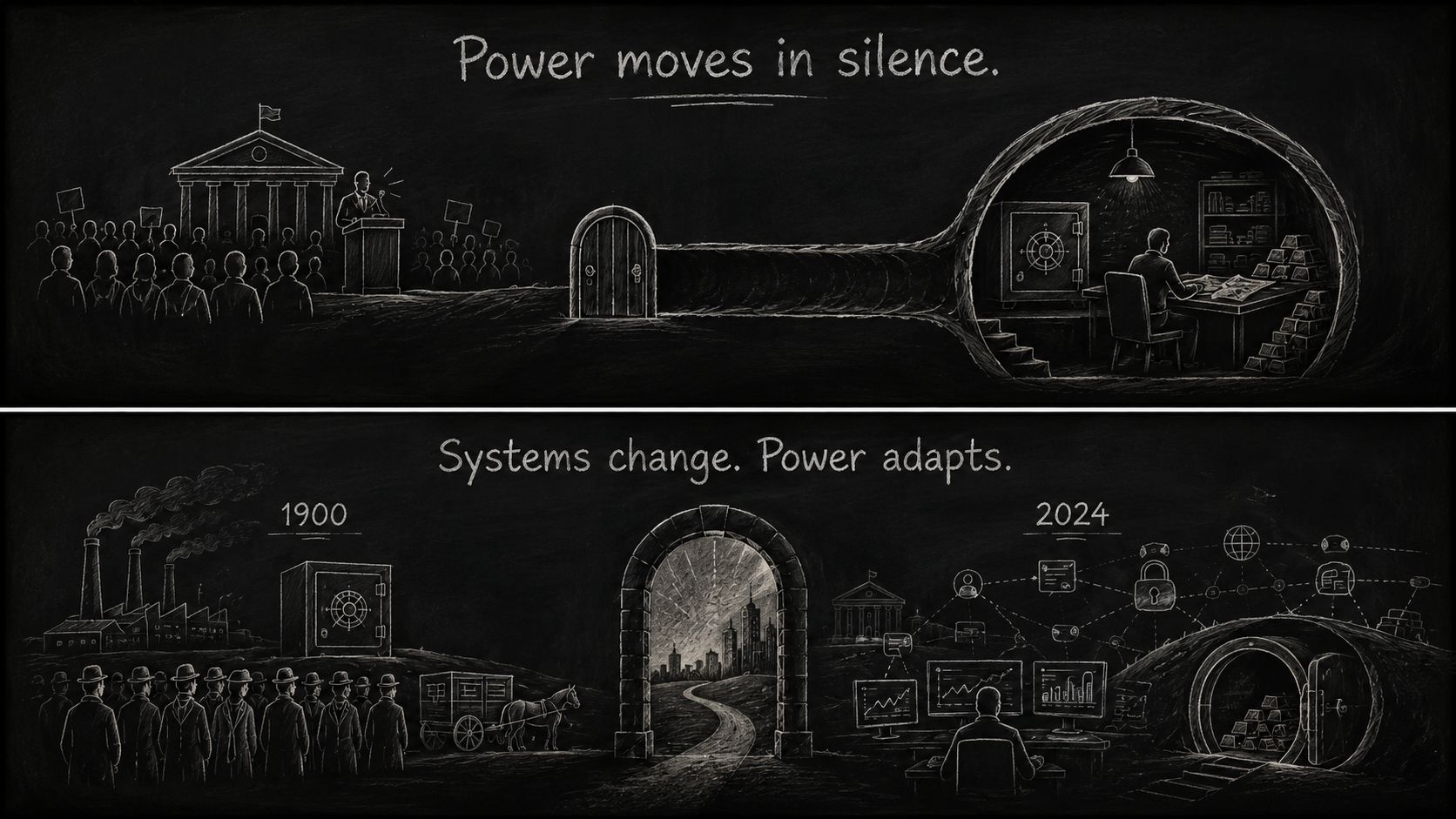
I don’t say this to dismiss the effort. OpenLedger’s attempt feels honest precisely because it forces you to confront these frictions on the interface itself. You see the latency between your local action and network confirmation. You notice how much still depends on the health of the underlying infrastructure layers. It’s a reminder that technology doesn’t escape physics or economics just because we wrap it in smart contracts.
What lingers is the deeper unease. If intelligence naturally wants to concentrate—if the best results come from focused resources and coordinated talent—then our decentralized ideals might be swimming against a very strong current. We could end up with systems that are more expensive, slower, and ultimately still influenced by the same powerful players who simply learn to operate through the new rules.
Is the future of AI one where we accept some necessary centralization for capability, or will we keep pushing decentralization even when it costs us performance and coherence? The ledger keeps growing, but the question stays unresolved. @OpenLedger $OPEN #OpenLedger