
DeFi’s getting a serious upgrade. We’re moving past the days of wrestling with bridges, gas fees, and liquidity pools. Instead, a new wave is taking over: intent-native DeFi. Here, your goal matters way more than the nuts and bolts under the hood. You just say what you want, and behind the scenes, smart systems handle all the heavy lifting.
OpenLedger isn’t just riding this wave—they’re helping shape what’s next. This is the beginning of DeFAI (Decentralized Finance AI) as a whole new playground.
From Transactions to Intentions
Forget memorizing steps or figuring out which protocol you need. In this world, you simply state your goal:
- Get the best ETH yield
- Lower your portfolio risk
- Move funds cross-chain as efficiently as possible
- Squeeze the most out of stablecoins
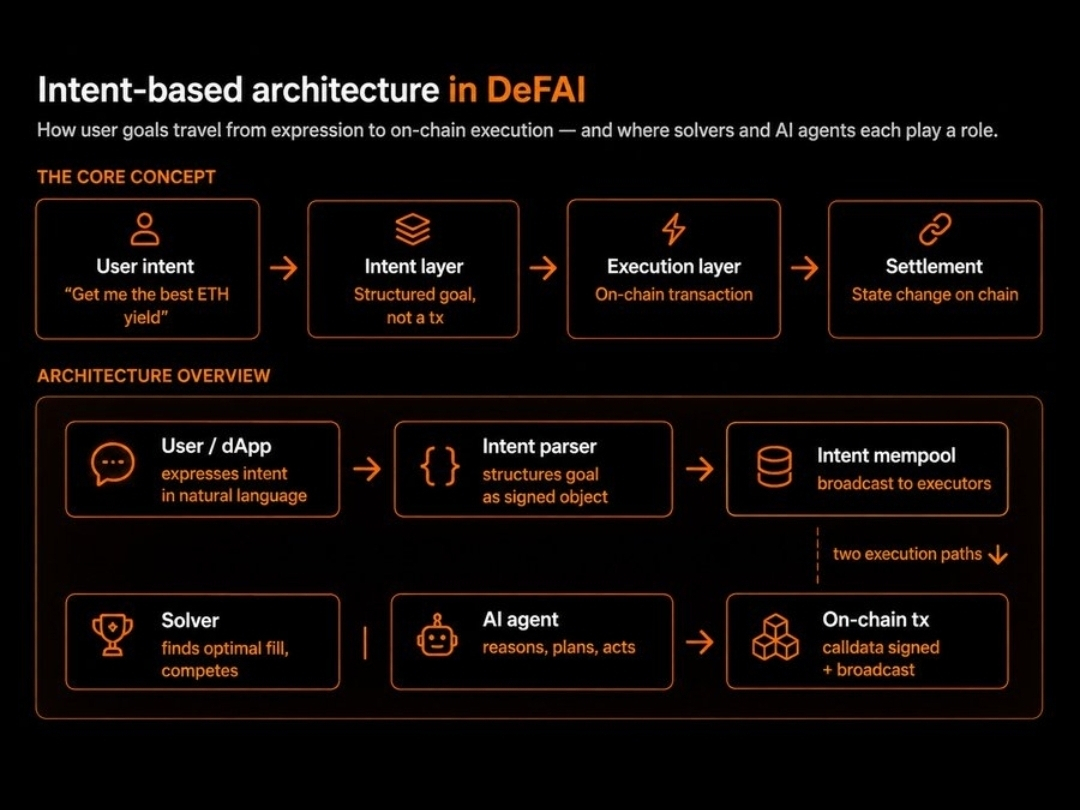
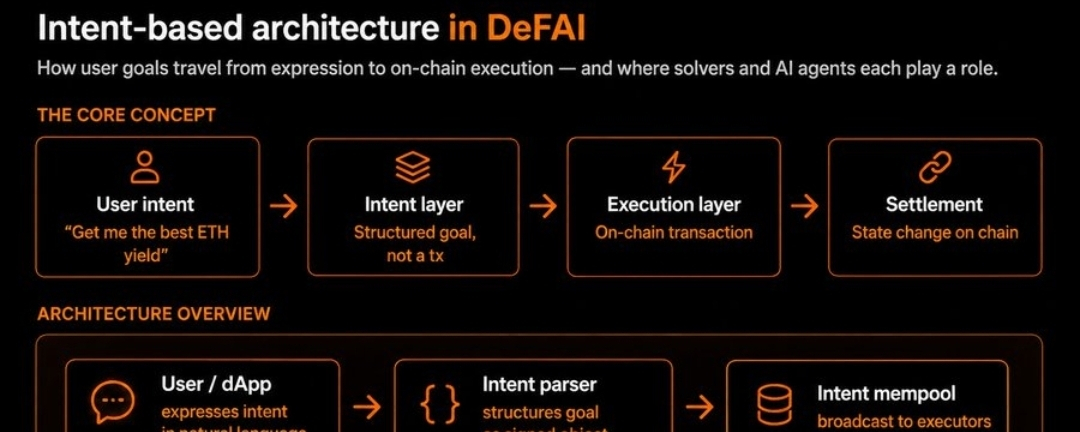
Once you’ve set your intention, the system turns it into a format that solvers and AI agents understand. These goals land in something called an intent mempool—a kind of waiting room for requests. Solvers and agents then jump in, each vying to map out the smartest route to your goal.
Solvers and AI Agents: The New Power Players
Solvers are the strategists. They scour DeFi—liquidity pools, staking, lending, real-world assets, vaults, DEXs—scoping out routes that stretch your dollar. Their job? Cut waste, save on costs, and get you the best deal.
AI agents step it up a notch. They adjust in real time—pivoting as the market moves, liquidity shifts, or incentives change. They take user preferences into account, not just numbers. You end up with a system that adapts as quickly as the environment changes, almost like having a financial autopilot.
Execution That Feels Effortless
Once the system figures out the best path, it just… does it. Transactions route, sign, and settle automatically, all on-chain. For you, managing DeFi starts to feel less like battling an interface and more like talking to an intelligent assistant—one that actually understands you.
This whole abstraction means you don’t need a PhD in DeFi mechanics anymore. The infrastructure handles execution, seamlessly.
Why This Actually Matters
This isn’t just about making things easier. Here’s what changes:
- More capital efficiency—you put your assets to work smarter
- Yields that adapt intelligently, not just manually
- Way less friction for users
- Automated coordination, even across different blockchains
- Portfolios that keep up with market changes
- DeFi that’s finally approachable for everyone
We’re transitioning from clicking through transactions to just aiming for the results we want. Suddenly, DeFi feels straightforward, inclusive, and more like a smart platform than a toolbox.
OpenLedger’s Place in the Future
OpenLedger gets it—they’re building right at this intersection of AI and decentralized finance. Their vision is all about using AI to coordinate and execute with intent at the center. As DeFi turns more autonomous and intelligent, OpenLedger’s right there, laying down the tracks for the next era of on-chain infrastructure.
Just finalising, Intent-native DeFi is flipping the script. Instead of wrestling with endless manual steps, you set your goal, and smart systems deliver it. DeFi finally starts to operate like a living, breathing financial ecosystem—one that runs itself. That’s the future OpenLedger is building toward, and honestly, it’s about time.