
Yesterday I sat at my kitchen table staring at an old family photo album, wondering how many unseen algorithms had already digested images like these without anyone noticing. It felt like a quiet loss, the kind you can't quite put into words until something forces you to look closer.@OpenLedger
While scrolling through Binance Square I decided to try the CreatorPad task for OpenLedger. I clicked into the contribution interface and started the data upload flow, selecting a small personal dataset. What struck me wasn't the smooth process but the moment the "Proof of Attribution" confirmation screen appeared — a clear ledger entry showing my exact contribution hash linked to potential model usage tracking. In that instant it hit me: most of us have been feeding the machine for free while pretending we still own our digital selves.
The deeper discomfort is this — in crypto we love to repeat that "not your keys, not your coins" as gospel for assets, yet we've quietly accepted that our data, the raw material shaping the most powerful technology of our age, belongs to whoever scrapes it first. OpenLedger doesn't just record ownership; it forces the conversation about what happens after the data leaves your hands. The blockchain doesn't magically solve the power imbalance. It simply makes the extraction visible, timestamp by timestamp.
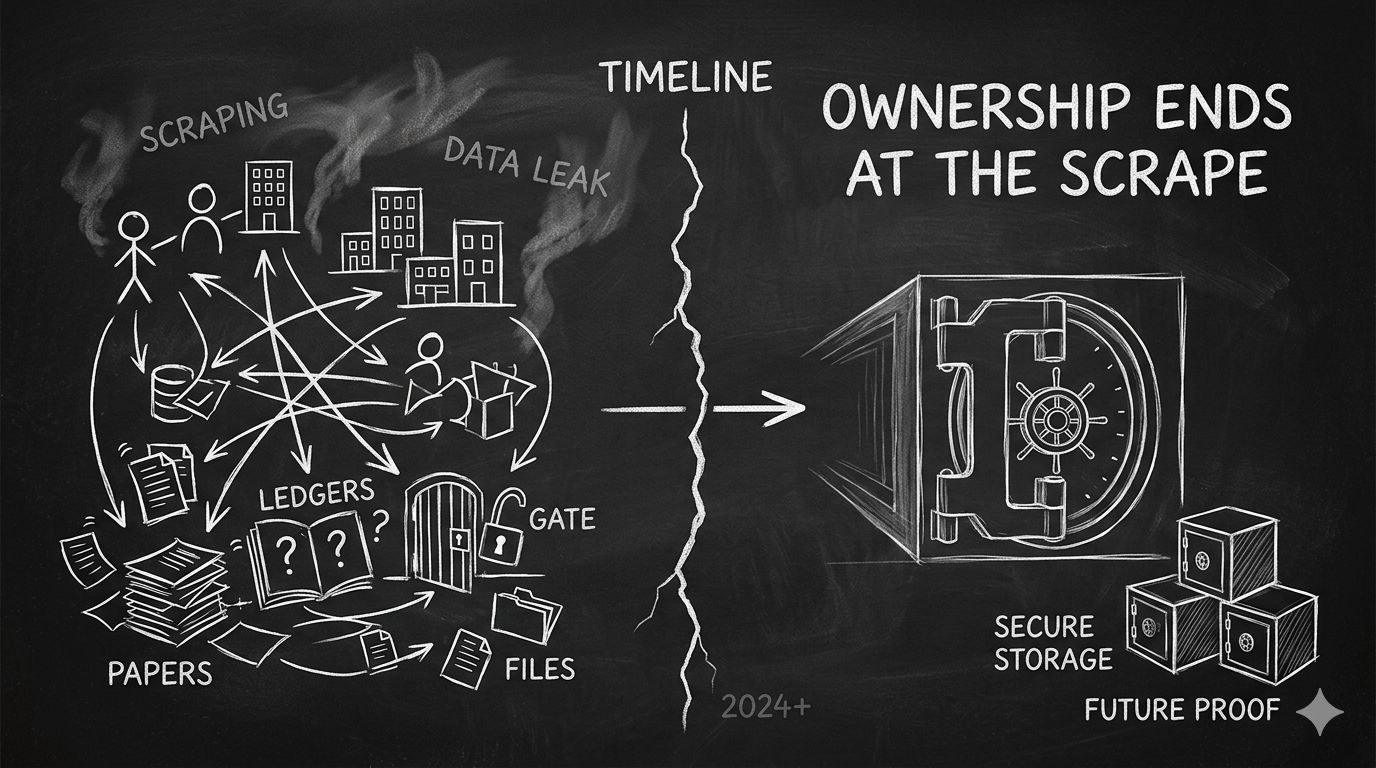
This idea extends far beyond one platform. We've built entire cultures around open-source everything and permissionless innovation, assuming that freely available data fuels collective progress. But when you watch your contribution get tagged for inference tracking, you start questioning whether that "collective" has ever been anything more than a polite way of saying a few big players get richer while everyone else gets convenience. Transparency doesn't automatically create fairness. It can just make the unfairness undeniable.
OpenLedger serves as a concrete example here, not as a perfect solution but as a mirror. By embedding attribution directly into the AI lifecycle on-chain, it shows what happens when you try to treat data as more than fuel. The system doesn't promise utopia. It simply refuses to let the usage stay hidden.
What lingers with me is the tension we'll have to live with: how much are we willing to slow the rush toward smarter AI in order to reclaim some measurable stake in the process that creates it? The ledger makes the question unavoidable. #OpenLedger @OpenLedger $OPEN