
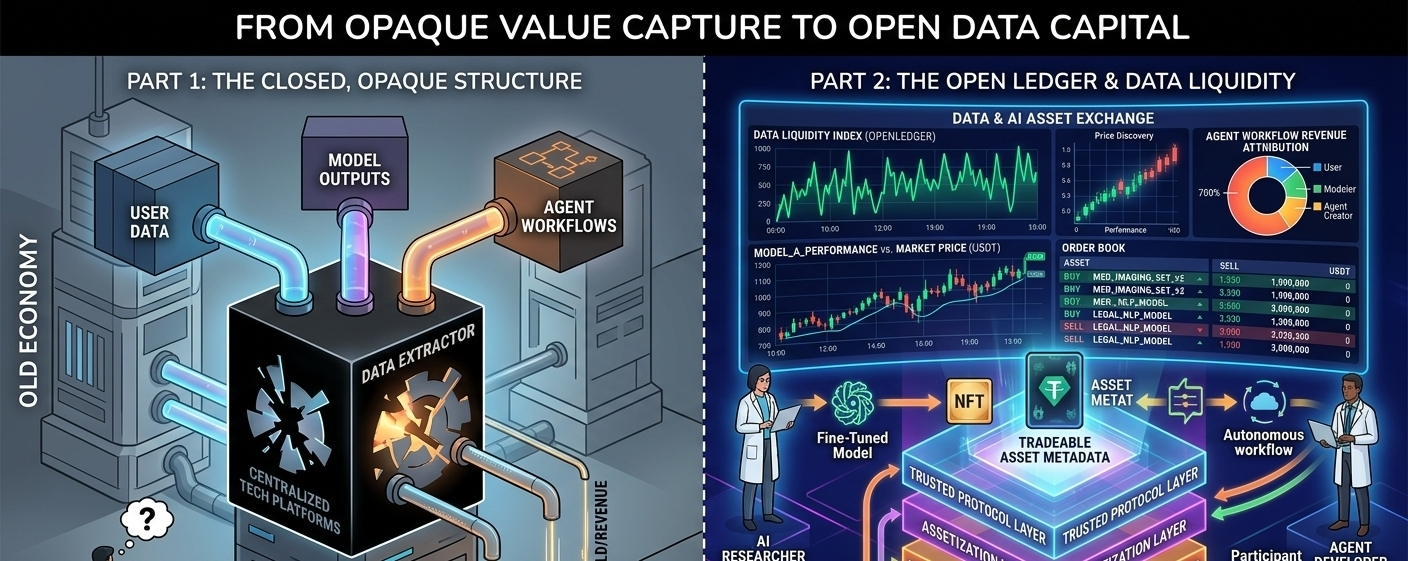
@OpenLedger Here's a question I don't hear asked enough: who actually owns the value that data creates? Not in some legal, terms-of-service sense. I mean economically. When a model trains on your data, when an agent runs a workflow using your information, when a decision gets made from patterns pulled out of your behavior — where does the return go? Almost every time, it goes somewhere that isn't you.
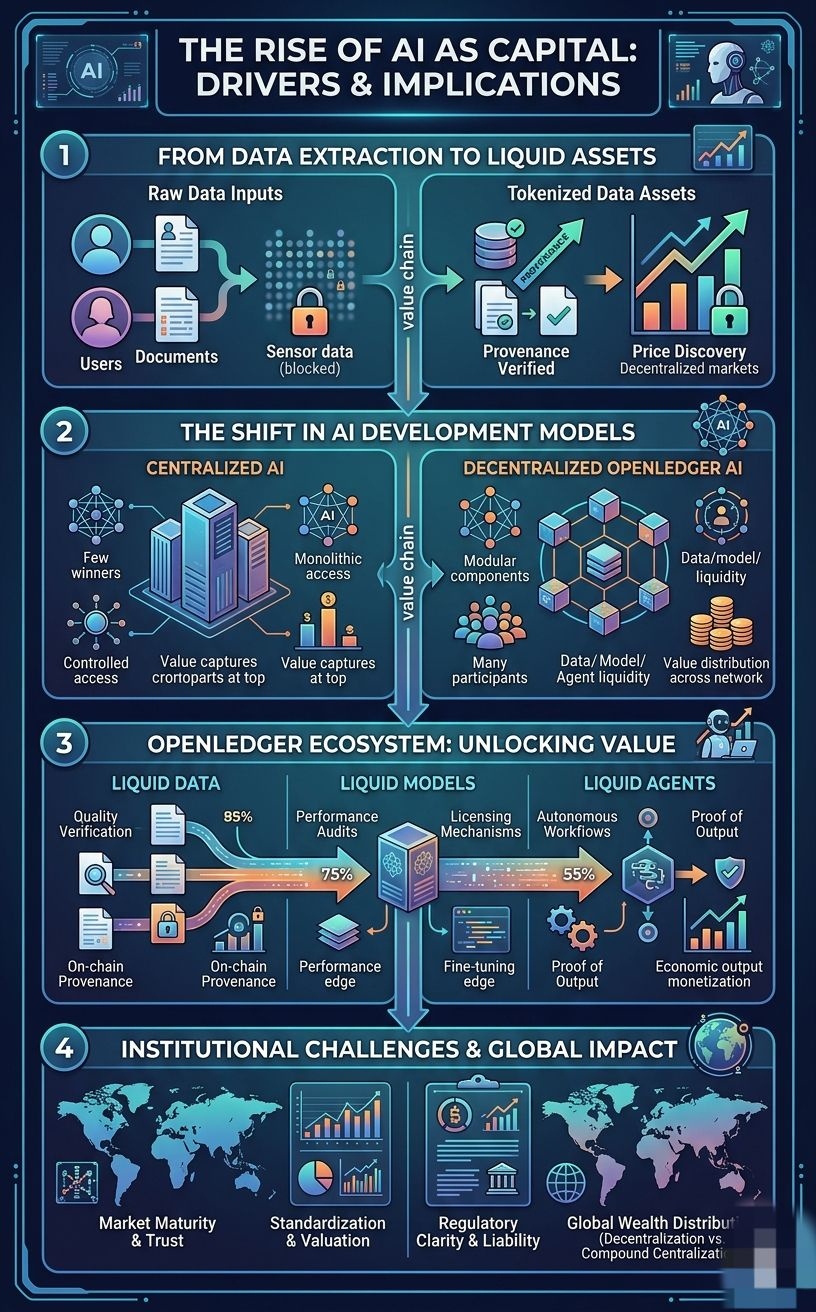
OpenLedger is trying to be an answer to that. It's an AI blockchain built around unlocking liquidity for data, models, and agents — the three things that actually make AI work. What I find interesting about the framing is that it treats these as assets, not just inputs. And that distinction matters more than it might seem. Assets can be priced. They can be traded. They can sit on a balance sheet and generate yield. If that holds up in practice, it changes a lot.
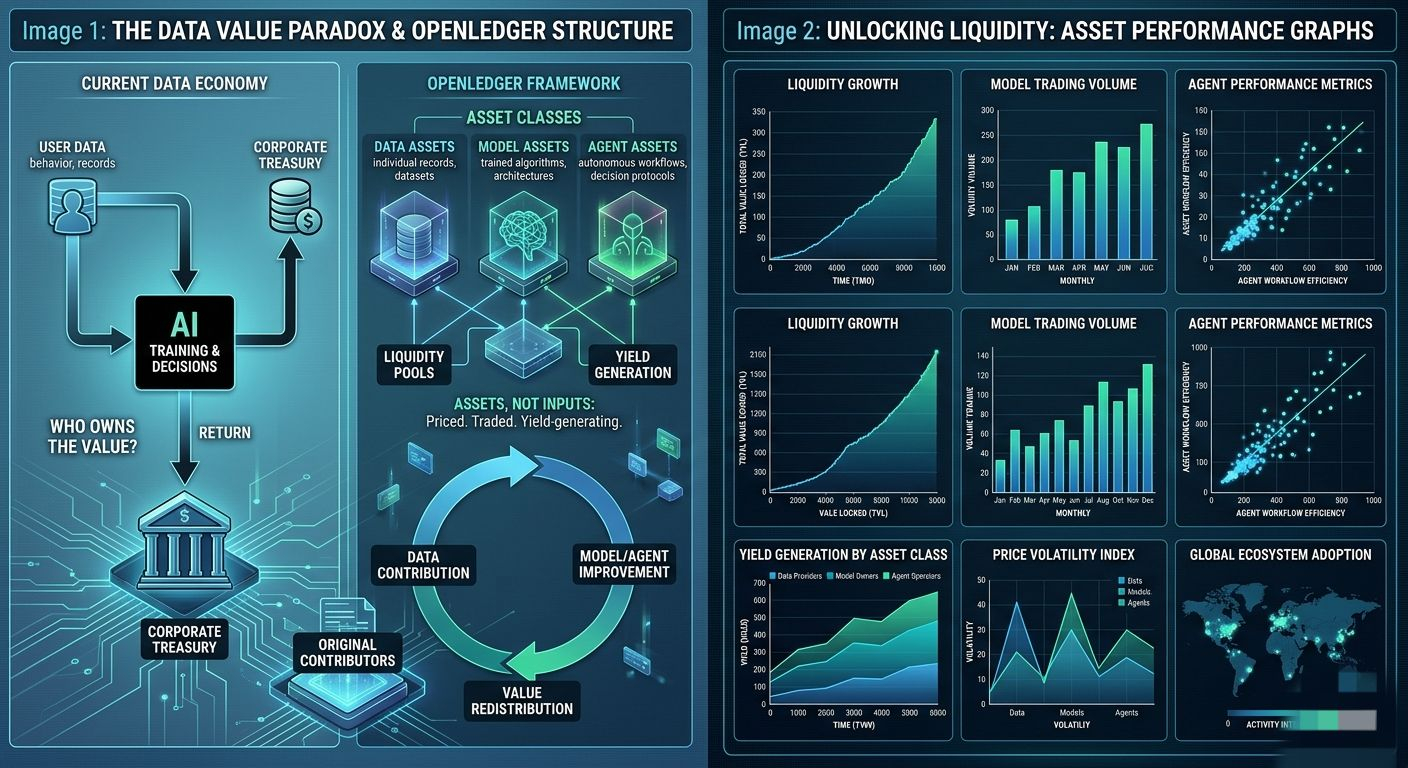
The liquidity angle is where I think OpenLedger deserves real attention — and real scrutiny.
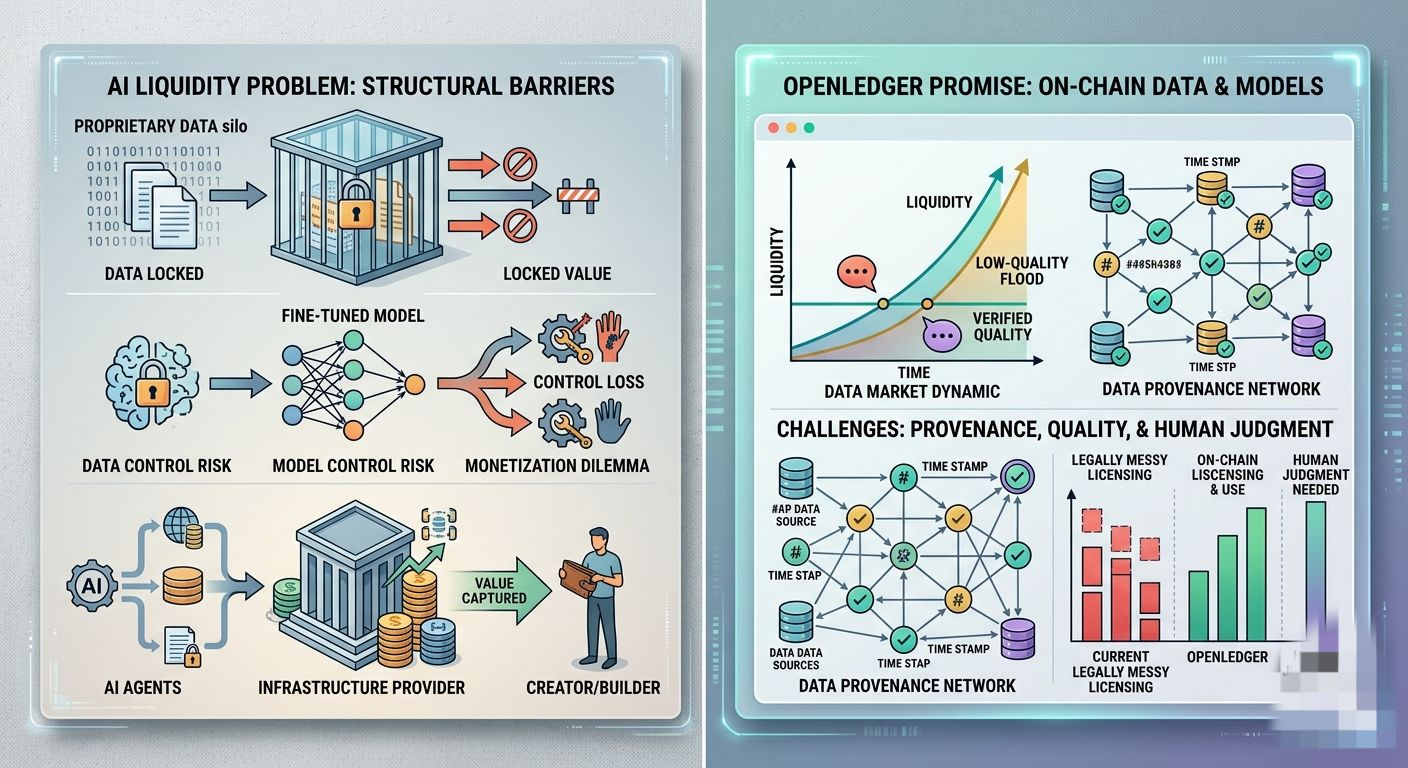
AI has a liquidity problem that almost nobody talks about. A company might be sitting on proprietary training data that's genuinely valuable in the right context, but that value is completely locked in. You can't deploy it without giving it away. A researcher might have a fine-tuned model that runs circles around general-purpose alternatives for a specific domain, but there's no clean way to monetize that edge without losing control of it. An agent built to run a complex workflow produces real value — but that value gets captured by whoever owns the infrastructure, not whoever built or trained the thing.
OpenLedger wants to change that. The idea is that data, models, and agents can be represented on-chain — priced, traded, licensed, used as collateral. It's a real claim. It's also one worth pushing on.
Take data first. We've been talking about data monetization for more than a decade. The reason it hasn't worked cleanly isn't technical — it's structural. You can't verify data quality without actually accessing the data. Provenance is almost always murky. Licensing data for AI training is legally messy in most places. And as soon as you make data liquid, you create incentive problems. Low-quality data floods open markets fast. Figuring out what's actually useful isn't a blockchain problem — it's a much harder human judgment problem.
Models are more tractable, honestly. You can version them, hash them, represent them on-chain in ways that actually make sense. A zero-knowledge proof of model performance against a benchmark is achievable. What's harder is the evaluation layer. Who says a model is worth what the market prices it at? What happens when a buyer deploys it in a context the seller never anticipated? Liability, warranty, fitness-for-purpose — none of that resolves itself because a transaction happened on-chain.
Agents are the most interesting piece, and the most uncertain. An agent that autonomously executes workflows has real economic output. It saves time, makes decisions, moves value. Representing that output as a tradeable asset — or letting agents hold and deploy capital on their own — is genuinely new territory. It's also territory where the regulatory frameworks are still being written. What's the legal status of an agent that enters a contract? Who takes the loss when an autonomous workflow goes sideways?
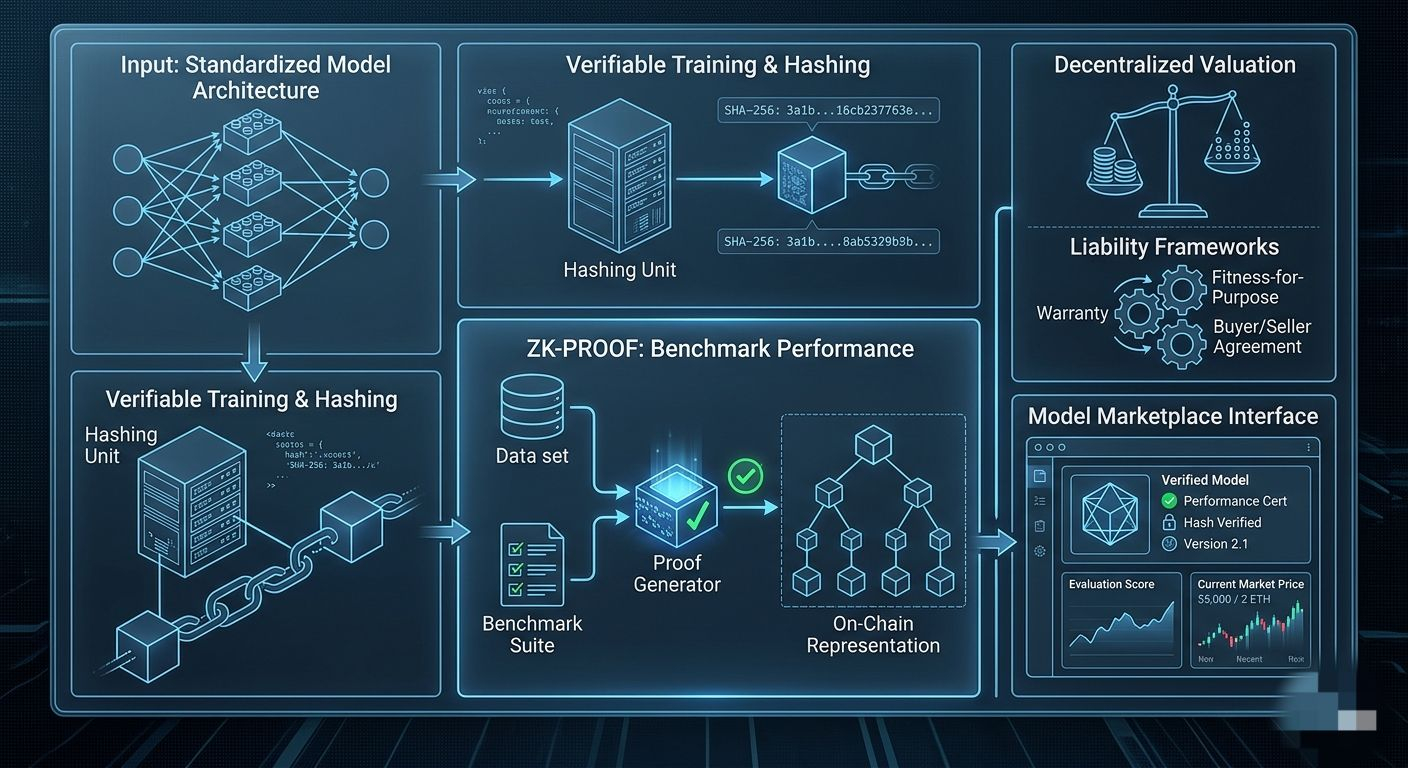
These aren't hypotheticals. They're the questions that will show up the moment any serious institution tries to interact with this system.
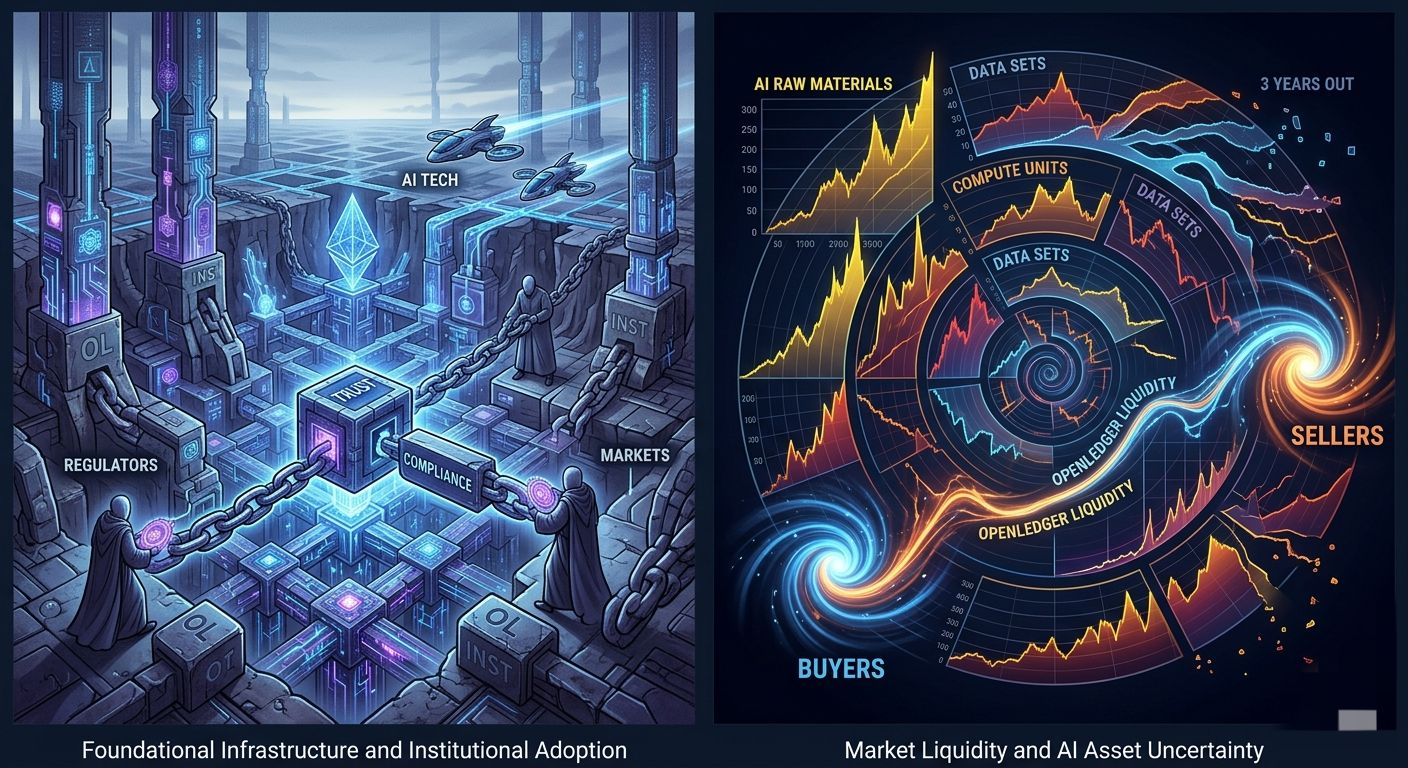
OpenLedger is building in a space where the technology is running well ahead of the institutional infrastructure around it. That's not unusual — it's almost a prerequisite for early-stage blockchain projects. But the gap between what the system can technically do and what markets, regulators, and real counterparties will accept is where projects like this either mature or stall.
Liquidity isn't just a feature you build. It requires willing buyers and sellers. It requires price discovery that people actually trust. It requires somewhere to go when things break down. Building those layers takes time — usually more time than building the chain itself.
What OpenLedger is reaching for is genuinely ambitious. It wants to create a market layer for the raw materials of AI at a moment when AI itself is moving so fast that nobody fully knows what those materials will look like in three years. That's a hard target to build infrastructure for.
The honest question I keep coming back to is whether the market it's trying to create will develop fast enough — and with enough real institutional participation — to justify the liquidity it's promising. Unlocking liquidity sounds compelling. Actually building deep, trusted, durable markets for AI assets is a much longer project. OpenLedger might be laying early groundwork for something that matters. Whether it can stay standing long enough for that structure to form around it — that's the question worth watching.
@OpenLedger #openLedager $OPEN
