
Most changes do not arrive loudly. They begin quietly, somewhere beneath the surface, long before people notice them.
A shift in behavior. A subtle change in liquidity. Patterns hidden inside millions of digital interactions. By the time everyone starts talking about a trend, the signal has often already passed through the hands of those paying closer attention.
That has become one of the biggest realities of digital economies today: information is everywhere, but understanding remains scarce.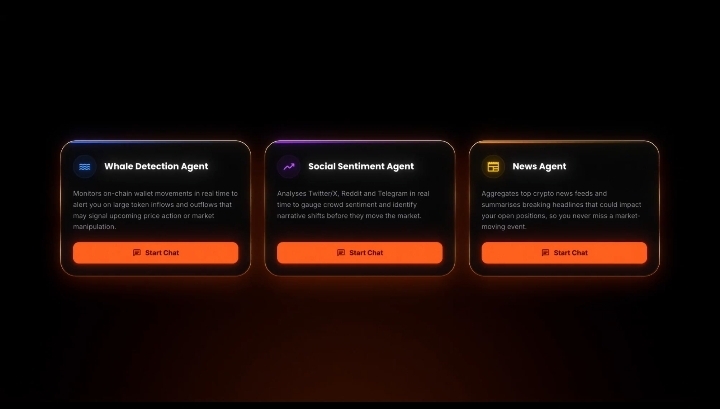
The idea behind OpenLedger made me reflect on something simple how often we mistake noise for direction. In decentralized systems, activity never stops. Transactions move constantly, incentives evolve, and communities reshape themselves in real time. Yet having access to data does not automatically create clarity. If anything, too much information can make decision-making harder.
The real challenge is interpretation.
What matters now is not only collecting signals but understanding which ones actually mean something. Which movements reflect real change? Which behaviors hint at deeper shifts before they become visible to everyone else?
This is where a new layer of infrastructure feels increasingly important. Not systems built around prediction alone, but systems designed to recognize patterns, connect fragmented information, and help people understand environments that move faster every day.
There is something quietly powerful about that idea.
Because in fast-moving ecosystems, timing often shapes outcomes. Reacting late usually feels expensive. Understanding earlier creates space to think more clearly, move with intention, and avoid simply following momentum after it becomes obvious.
Maybe that is what stood out to me most about the message: “Stay tuned.”
Not as hype. More as a reminder.
Sometimes the biggest shifts begin as signals most people barely notice. The difficult part has never been whether they exist. It is whether we are paying attention early enough to understand what they are trying to tell us.