

Sometimes I think the crypto market doesn’t actually want innovation.@OpenLedger
It just wants a fresh story every few months. New words. New branding. Same cycle.
A few years ago everything was “metaverse.” Then it became “GameFi.” After that AI agents appeared everywhere.
Every project suddenly promised automation, intelligence, prediction, infinite scalability…
whatever sounded futuristic enough to attract liquidity for a few weeks.
And honestly, after seeing so many cycles, I became naturally skeptical.
Because most narratives in crypto are built backwards. First comes hype.
Then comes price movement. Only later do people start asking whether the product actually matters.
That’s why lately I’ve been paying more attention to projects solving invisible problems instead of loud ones.
The market still behaves like prediction is everything. Everyone wants the next signal. The next 100x call.
The next AI model that can supposedly predict charts before they move.
But real traders already know something uncomfortable.
Prediction alone is not enough anymore.
You can predict direction correctly and still lose money because execution is bad. Slippage destroys entries. Liquidity disappears during volatility.
One delay changes everything. MEV bots front-run trades before confirmation even finishes. On-chain trading is becoming less about “being right” and more about surviving the environment itself.
That shift feels important.
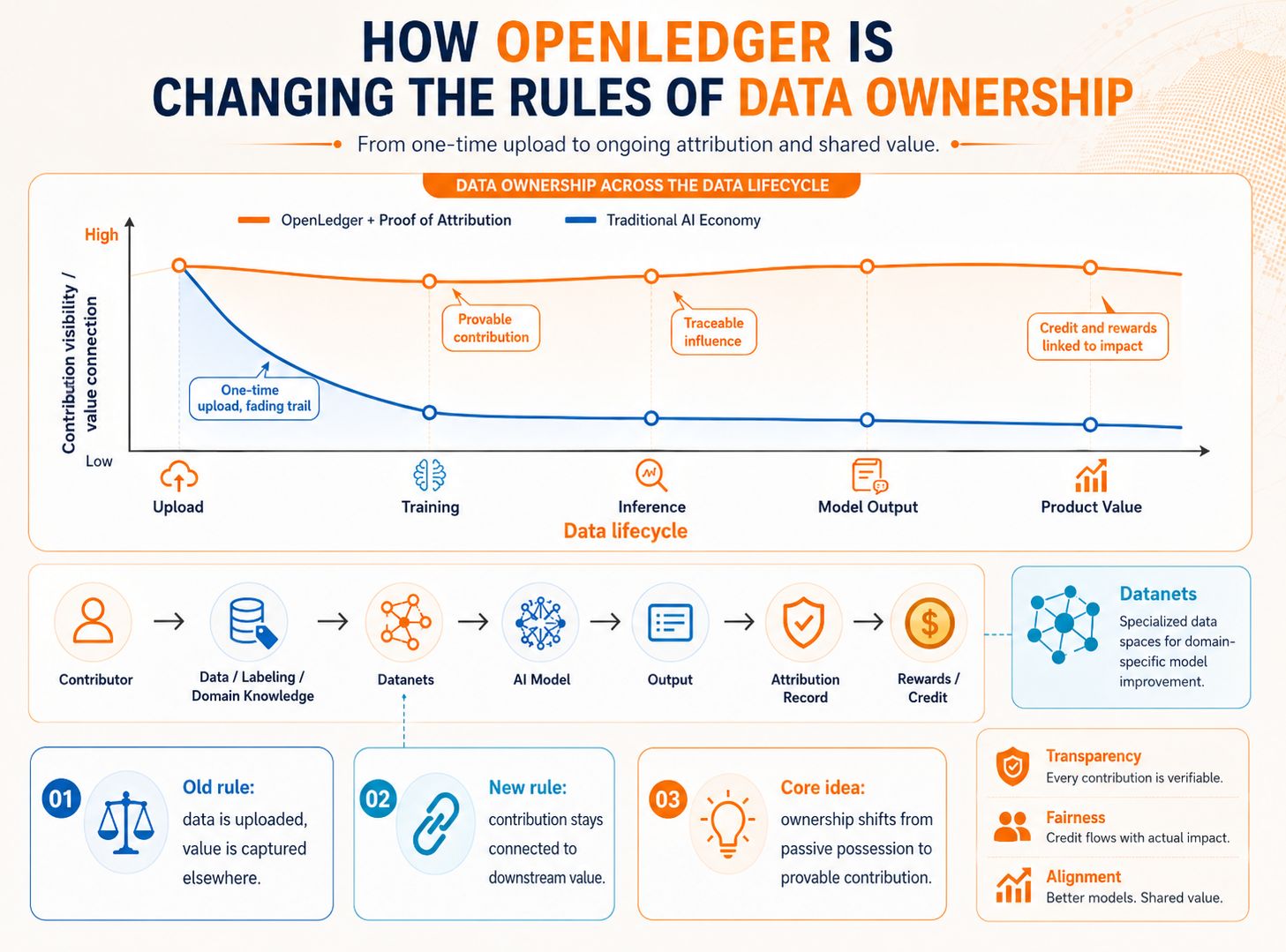
Most people still look at infrastructure as boring. They prefer visible things charts, hype, partnerships, announcements.
But the deeper I watch crypto markets, the more it feels like infrastructure quietly controls outcomes.
The funny thing is we’ve already seen this pattern before.
Back in early DeFi days, almost nobody cared about the plumbing layer.
People only cared about APY and fast profits. Then suddenly the market realized the protocols handling liquidity, routing, and execution were actually the backbone of the entire ecosystem.
By the time everyone understood, the smart money had already positioned itself.
Now I’m starting to get a similar feeling around parts of the AI infrastructure narrative.
Not because AI sounds exciting anymore. Honestly, most people are exhausted from hearing the same promises repeatedly.
Every project claims their AI will change trading forever. Most never even survive one full market cycle.
What matters now is whether these systems can actually function inside chaotic on-chain conditions.
Can they execute efficiently across fragmented liquidity?
Can they adapt fast enough during volatility?
Can they reduce friction instead of just generating predictions nobody can use properly?
Those questions feel far more important than flashy demos.
And maybe that’s why some infrastructure projects are quietly becoming interesting while nobody is fully paying attention yet.
The market usually ignores boring things at first because boring things are difficult to explain emotionally.
Latency optimization is boring. Routing efficiency is boring. Execution architecture is boring.
Until suddenly those things start affecting money directly.
Then everyone acts like it was obvious all along.
I still think skepticism is healthy though. Crypto has a very dangerous relationship with imagination.
The less people understand something, the more aggressively they sometimes buy it.
AI especially creates that effect because people project the future onto it so easily.
That’s why I try to watch behavior instead of promises.
Price action. Liquidity reactions. Market patience. Accumulation structure.
Those things usually reveal more truth than marketing ever will.
Sometimes you can feel when a narrative is pure excitement because buyers become emotional and impulsive.
But occasionally there are setups where the market behaves differently. Less euphoric. More patient.
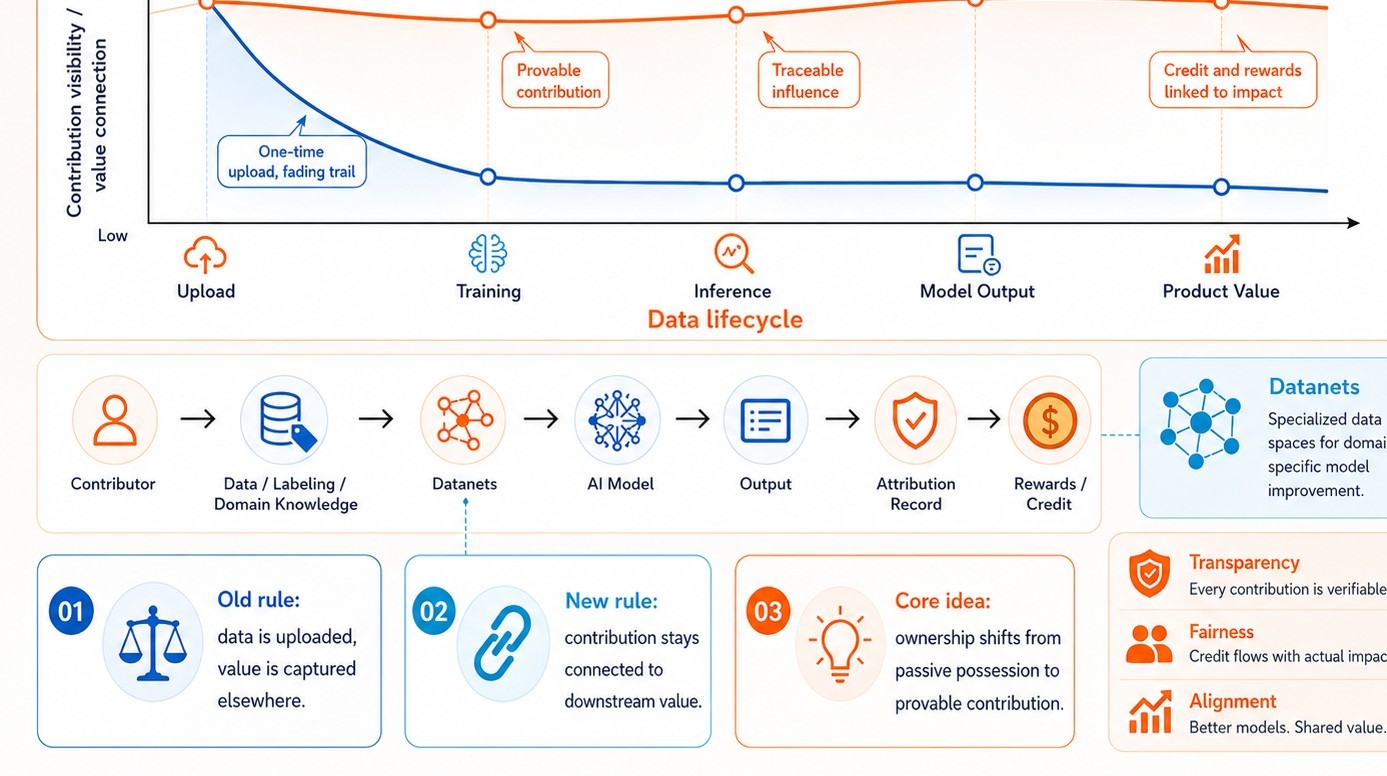
Almost like participants are quietly observing before fully committing.
Those moments are interesting because uncertainty still exists, but structure slowly begins changing underneath.
And honestly, those are usually the moments that matter most later.
Not when everyone is screaming bullish.
Not when timelines are full of rocket emojis.
But when people are still divided, still skeptical, still unsure whether the market is early… or
simply falling for another recycled story again.
Maybe most AI crypto projects will eventually disappear. That possibility is very real.
But I also think the market is slowly realizing that execution may become more valuable than prediction itself.
Because in fragmented on chain environments, being correct means nothing if your system cannot move efficiently through chaos.
And if that shift truly happens, then the next generation of winners may not be the loudest projects.
They may simply be the ones quietly building the rails everyone else eventually depends on.