
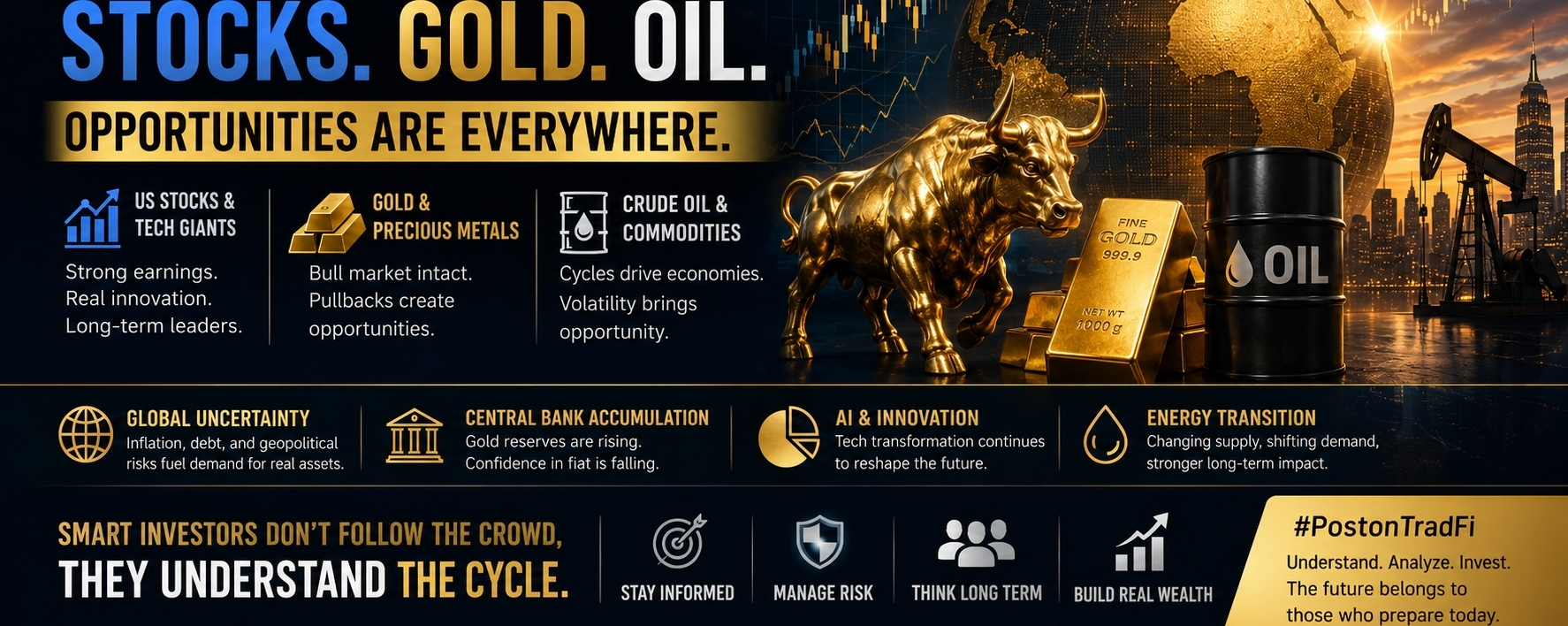
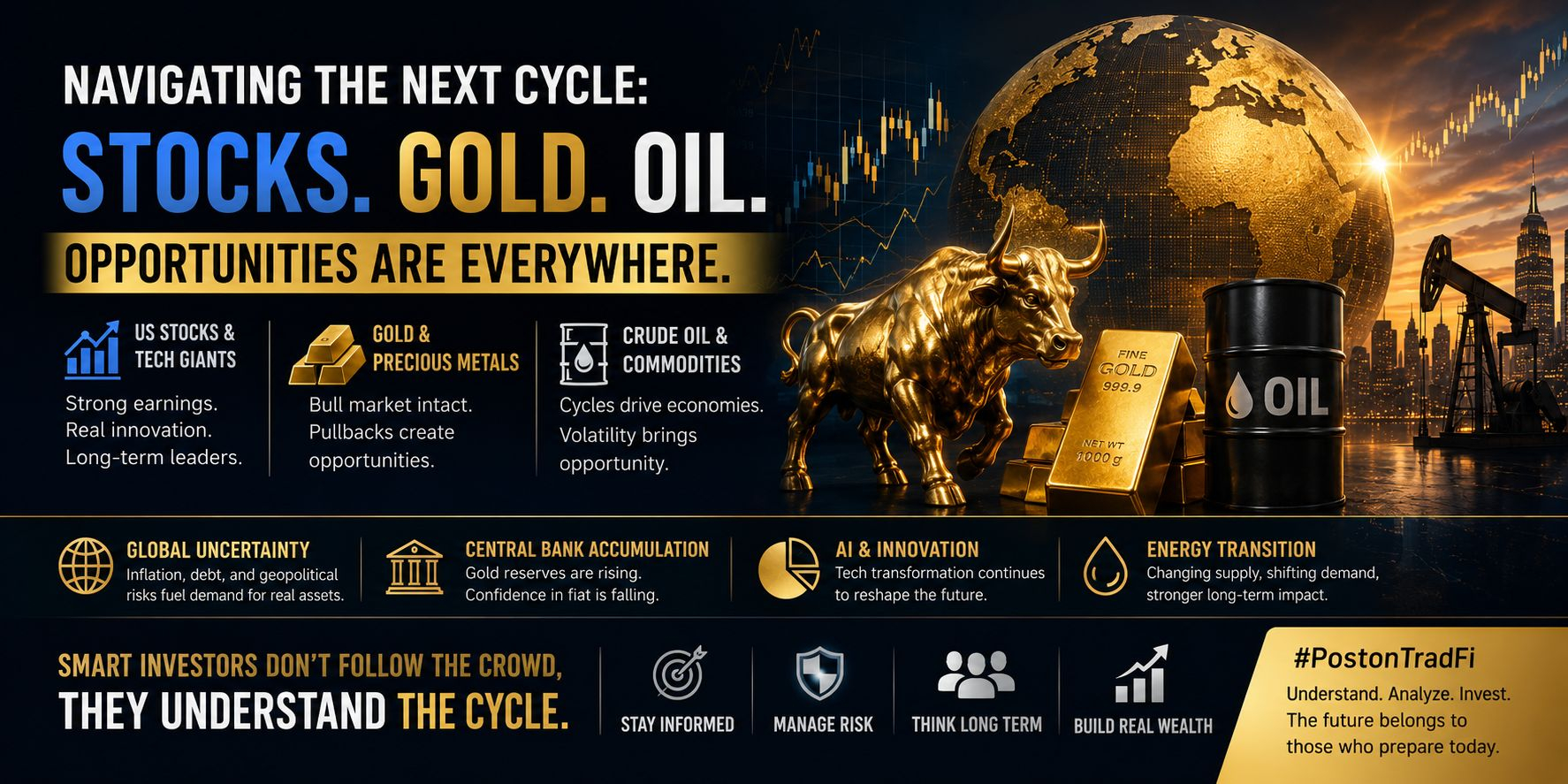
 For the past few years, investors have been conditioned to believe that technology alone drives the market. Every rally became about AI, semiconductor companies, and the so-called “Magnificent 7.” But beneath the surface, something much bigger is starting to unfold across traditional finance markets.
The era of easy money changed everything.
Now investors are entering a market environment where capital is becoming more selective, volatility is returning, and not every asset can rise together anymore. This is why we are starting to see divergence even among the world’s biggest tech giants. Some companies continue producing enormous cash flow, dominating AI infrastructure, and expanding globally, while others are being carried more by narrative than fundamentals.
That difference matters.
Markets eventually reward strength and expose weakness. During euphoric periods, hype can outperform for a while, but over time earnings, innovation, and liquidity decide who survives. Investors chasing momentum without understanding valuation may be walking directly into the next major correction.
At the same time, another powerful signal is developing outside the tech sector: gold.
Many people saw the recent pullback in gold prices as a sign that the rally is over. I see it differently. Historically, strong bull markets rarely move in a straight line. Corrections often shake out emotional traders before the next expansion phase begins. Central banks around the world continue increasing gold reserves, global debt keeps rising, and geopolitical uncertainty remains elevated. Those are not conditions that usually destroy long-term demand for precious metals.
Gold is no longer just a “safe haven” asset. It is becoming a strategic hedge against instability in a world filled with inflation concerns, currency pressure, and financial uncertainty.
Then comes crude oil — one of the most misunderstood markets today.
Energy cycles have always shaped global economies. Every major rise or collapse in oil prices eventually affects inflation, transportation, manufacturing costs, and even stock market sentiment. With ongoing geopolitical tensions, production adjustments from major oil-producing nations, and changing global demand patterns, the next oil cycle could become far more volatile than many expect.
This is why traditional finance suddenly feels important again.
For years, many retail traders focused only on fast-moving speculative assets while ignoring the deeper macroeconomic forces driving global capital flows. But today, stocks, commodities, bonds, precious metals, and energy markets are all connected more tightly than ever before.
The investors who succeed in the next cycle may not be the loudest voices online. They may simply be the ones paying attention to liquidity, risk management, macro trends, and real value before the crowd notices.
Traditional finance is not “old money” anymore.
It is becoming the battlefield where the next major wealth shifts are already beginning.
