
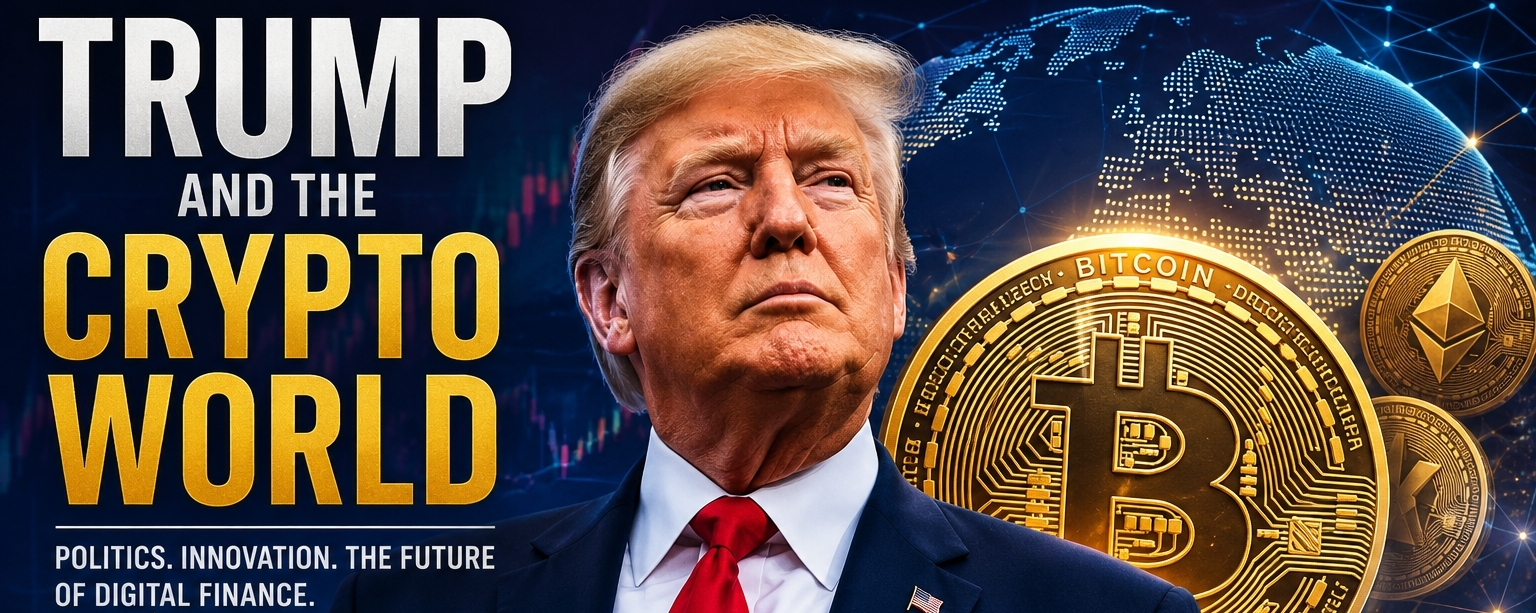
Cryptocurrency has grown from a niche technology experiment into a global financial movement. Bitcoin, Ethereum, and thousands of other digital assets have changed how people think about money, investing, and financial independence. At the same time, politics has started playing a bigger role in the crypto industry. One of the biggest examples of this connection is the growing relationship between former U.S. President Donald Trump and the cryptocurrency world.
For many years, Donald Trump publicly expressed doubts about cryptocurrency. In earlier statements, he suggested that Bitcoin and other digital currencies could be risky and might compete with traditional government-backed currencies like the U.S. dollar. During that period, many political leaders around the world shared concerns about cryptocurrency because of issues related to regulation, security, and market volatility.
However, the crypto landscape has changed dramatically over the last few years. Digital assets have become more widely accepted by businesses, investment firms, and even some governments. Large financial institutions have introduced crypto-related products, and millions of retail investors now participate in the market. As cryptocurrency adoption expanded, political discussions around regulation and innovation also increased.
Trump’s recent involvement with crypto-related discussions has attracted significant attention from investors and analysts. Supporters of cryptocurrency often argue that blockchain technology can encourage innovation, financial freedom, and economic growth. Some political figures have started promoting policies aimed at making the United States more competitive in digital asset development.
The cryptocurrency industry itself has become an important topic during political campaigns. Crypto investors frequently pay attention to government decisions regarding taxation, trading regulations, digital asset classification, and financial oversight. Regulatory clarity is considered important because uncertainty can influence market confidence and investment activity.
Bitcoin remains the largest cryptocurrency by market value and often acts as a benchmark for the entire crypto market. When political leaders discuss digital assets, traders sometimes react quickly, creating price movements across exchanges worldwide. Market sentiment can shift rapidly depending on statements from influential figures, economic policies, or regulatory announcements.
Another major factor connecting politics and crypto is blockchain innovation. Blockchain technology allows decentralized systems to operate without traditional intermediaries. Supporters believe this can improve efficiency in finance, supply chains, digital identity systems, and payment infrastructure. Governments worldwide continue exploring how blockchain technology might fit into future economic systems.
At the same time, critics point to challenges facing cryptocurrency adoption. Price volatility remains a concern for investors. Regulatory frameworks differ across countries, creating complexity for global businesses. Security risks, scams, and cybersecurity issues also continue affecting the industry.
Trump-related discussions in crypto communities often extend beyond policy debates. Social media trends, investor sentiment, and political developments sometimes influence short-term trading behavior. Cryptocurrency markets operate continuously, twenty-four hours a day, making them highly responsive to news events.
The relationship between politics and cryptocurrency is likely to become even more important in coming years. Governments are developing regulations, central banks are researching digital currencies, and blockchain technology continues evolving. Political leaders increasingly recognize that digital assets may play a role in future financial systems.
Whether someone supports cryptocurrency or remains skeptical, there is little doubt that digital finance has become a major global conversation. The intersection of political influence and technological innovation will continue shaping how markets evolve.
As cryptocurrency moves further into mainstream finance, investors, policymakers, and technology leaders will likely remain focused on finding balance between innovation, security, and regulation. The future of crypto may not depend only on technology itself, but also on how governments and political leaders choose to engage with this rapidly changing digital economy.
#Crypto #Bitcoin #Trump #Blockchain #Cryptocurrency #DigitalAssets #Finance #CryptoNews $BTC #Technology $ETH #Trump'sIranAttackDelayed