


Sequencer decentralization is the promise that almost every Layer 2 project makes and almost none of them have fully delivered on.
I want to be precise about what a sequencer actually does before getting into what OpenLedger's decentralization roadmap means in practice, because the technical detail matters here more than it usually does in blockchain project coverage. The sequencer is the component that orders transactions before they're submitted to the base layer. In most current Layer 2 architectures, including the OP Stack that OpenLedger is built on, the sequencer is operated by a single entity. For OpenLedger, that means the team controls which transactions get processed and in what order.
That's a centralization point that sits awkwardly inside a project whose entire value proposition depends on trustless data markets and verifiable AI infrastructure. If the sequencer is controlled by one party, then the ordering of transactions, and by extension the outcomes of certain economic interactions on the platform, are subject to that party's decisions and vulnerabilities. A sequencer operator can theoretically engage in front-running, censorship, or simply go offline in ways that affect every participant on the network.
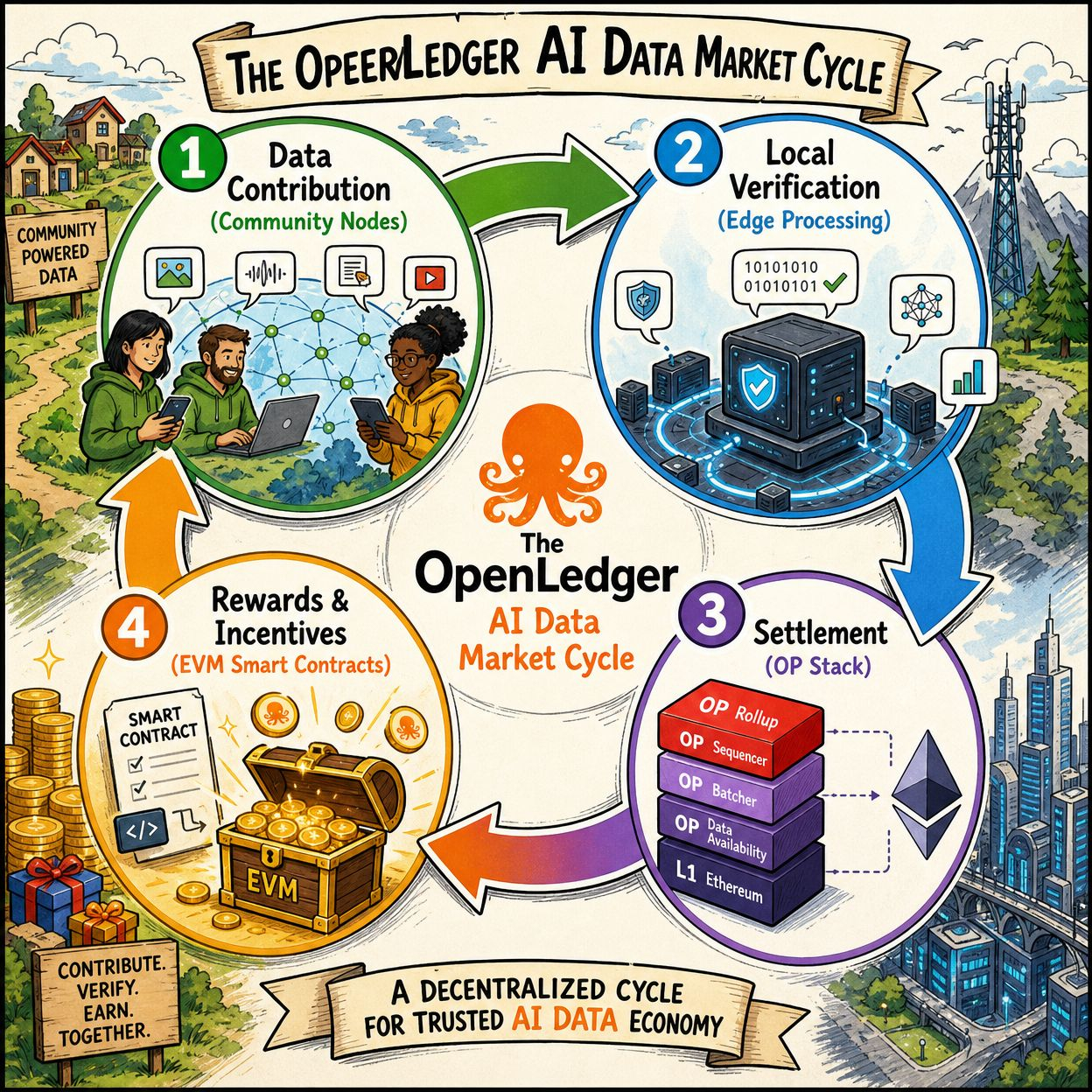
The standard response from Layer 2 teams is that sequencer centralization is a temporary state, a practical compromise made during early development that will be resolved through decentralization once the system matures. OpenLedger's 2026 roadmap puts decentralized sequencer rollout on the timeline, which places it in the same category as most of its peers. The difference I'm interested in is whether the specific design choices OpenLedger is making now will make that transition easier or harder than it has been for other projects that announced the same thing and found the execution more complicated than the announcement suggested.
The OP Stack provides a starting point for sequencer decentralization through the work Optimism has done on shared sequencing and the broader Superchain vision. OpenLedger doesn't have to solve this problem entirely from scratch, which is a genuine advantage over projects that built custom infrastructure without considering how decentralization would be implemented later. The framework exists. The question is whether OpenLedger's specific implementation of the OP Stack leaves room for that framework to be applied cleanly, or whether the AI-specific modifications they've layered on top create complications that the base framework didn't anticipate.
I haven't seen enough technical documentation to answer that question with confidence. What I can say is that the AI data market use case introduces transaction types and economic interactions that don't exist in standard DeFi or NFT contexts. Data contribution attestations, model training verifications, reward distributions tied to off-chain computation outcomes. How a decentralized sequencer handles these without introducing new attack surfaces or fairness problems is a design challenge that the general sequencer decentralization literature doesn't fully address.
The 2026 timeline gives the team roughly enough runway to figure this out if they're working on it seriously now. It also gives them enough runway to defer the hard decisions until the deadline is close enough to matter, which is a pattern I've seen more than once in blockchain development roadmaps.
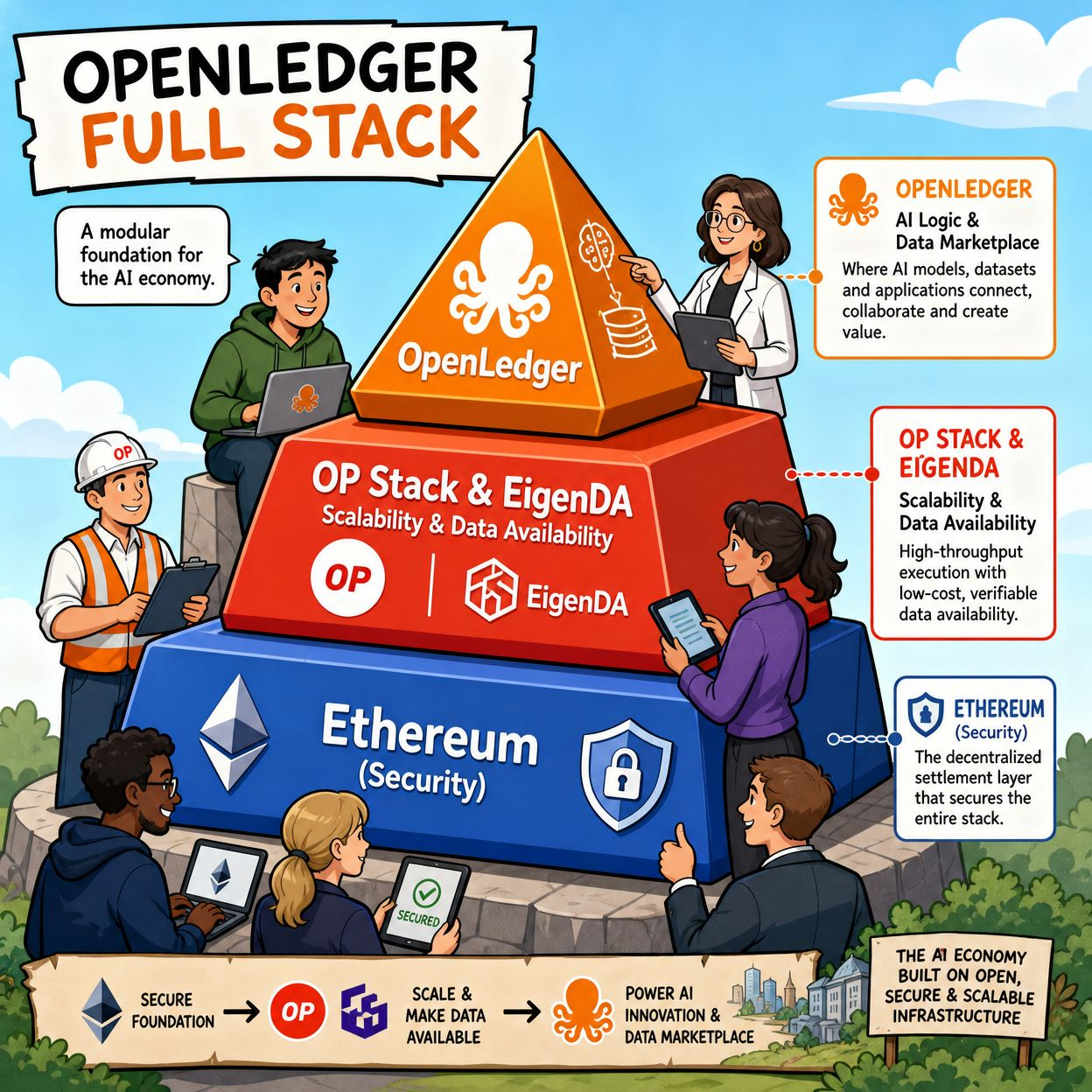
What would make me more confident is public technical documentation about the specific decentralization architecture being planned, not just the commitment to decentralize. The commitment is the easy part. Every project with a centralized sequencer has made it. The architecture is where the actual work lives and where the actual risks either get addressed or get deferred.
OpenLedger's AI infrastructure ambitions require a sequencer that participants can trust without trusting the team operating it. That's a technical problem with a known solution space and an uneven track record of delivery across the industry.
The 2026 roadmap is a reasonable timeline. Whether it's a committed deadline or a comfortable distance from accountability is something only the technical progress between now and then will reveal.
I'm watching the documentation more than the announcements. One of those tends to tell you more.