
The intersection of artificial intelligence and blockchain technology represents one of the most significant architectural shifts in modern computing. For years, AI development has grappled with massive infrastructure bottlenecks, centralized data monopolies, and skyrocketing operational costs. Concurrently, blockchain networks have hunted for real-world computational use cases that demand high security and decentralized consensus.
OpenLedger emerges at the center of this technological crossroads. Built as a high-performance decentralized data network tailored specifically for AI, the platform aims to democratize AI development while drastically driving down infrastructure expenses. By examining its core pillars—investor backing, cost-efficiency, network scalability, and market positioning—we can understand why this ecosystem is poised to disrupt the AI-native landscape.
1. Tier 1 Backing: Validating the Vision
Securing a foothold in both the Web3 and AI sectors requires substantial capital and industry validation. OpenLedger has established a formidable foundation by securing Tier 1 backing from Polychain Capital, one of the digital asset space's most respected venture capital firms.
This institutional support does more than just fund operations; it serves as a powerful confirmation of OpenLedger's AI-native architecture. When leading Web3 investors commit resources to a project of this scale, it validates the underlying technical viability and signals long-term market confidence to developers, data providers, and node operators alike.
2. Radical Cost-Efficiency via OpenLoRA
The cost of training and deploying large language models (LLMs) has traditionally been prohibitive for independent developers and smaller enterprises. OpenLedger addresses this barrier head-on through its breakthrough framework: OpenLoRA.
By leveraging advanced optimization techniques, OpenLedger achieves a staggering 99% cost reduction compared to traditional cloud computing monopolies.
The Power of OpenLoRA: The platform enables developers to deploy thousands of specialized models simultaneously on a single GPU.
This dramatic reduction in overhead levels the playing field, shifting AI development away from exclusive tech conglomerates and opening the doors to decentralized, community-driven innovation.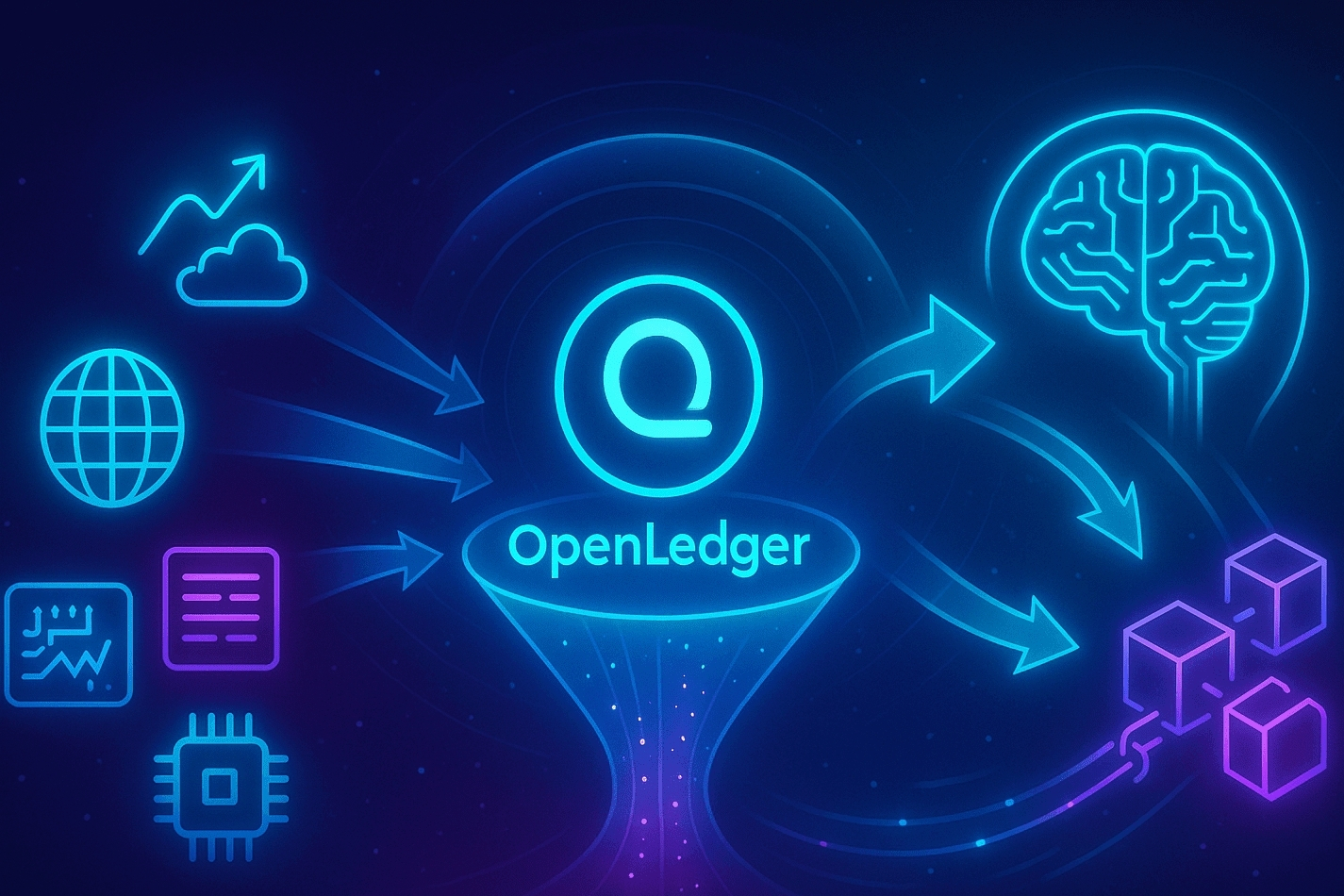
3. Unrivaled Scalability and Decentralized Compute
Traditional centralized networks create severe data bottlenecks and invite single points of failure. OpenLedger bypasses these limitations by weaving together a web of decentralized compute providers and thousands of specialized AI models.
This decentralized marketplace allows compute power to be dynamically allocated exactly where and when it is needed. Instead of relying on a monolithic data center, OpenLedger distributes workloads across a global network. This approach ensures maximum uptime, elastic scalability, and the ability to process complex data streams concurrently without compromising network performance.
4. Strategic Market Positioning at the AI-Blockchain Intersection
OpenLedger is explicitly designed to sit at the lucrative nexus of AI and blockchain technology. Marked by its distinctive "Seed Tag," the project is actively capturing market attention as a high-potential, high-innovation asset.
By structuring itself as an open data network, OpenLedger ensures that data sovereignty, verifiable computation, and tokenized incentives work hand-in-hand. This unique market positioning makes it an attractive ecosystem for developers seeking robust infrastructure, as well as participants looking to contribute computational power in exchange for network rewards.
As the demand for decentralized AI solutions continues to surge, OpenLedger’s combination of institutional backing, extreme cost-efficiency, and scalable infrastructure firmly positions it as a foundational ledger for the future of artificial intelligence.
