


I've been scrolling through crypto chats these past few weeks, and something subtle has been bothering me. Not the usual noise, but a quieter kind of fatigue. More developers are muttering about how their datasets and fine-tunes just disappear into some company's black box. Creators spot pieces of their style or ideas popping up in outputs with zero acknowledgment. Even regular users like me, the ones shelling out monthly subscriptions, are starting to feel a vague unease about where all this value is actually going.
It’s not anger exactly. It’s more like a slow, creeping realization that the old assumption that AI has to be centralized and opaque to move fast is beginning to crack. We still crave smarter models, but I’m noticing more people quietly refusing to pretend that the data, sweat, and creativity feeding them don’t deserve anything in return. Incentives have always driven behavior more than lofty ideals, and right now those incentives feel increasingly misaligned.
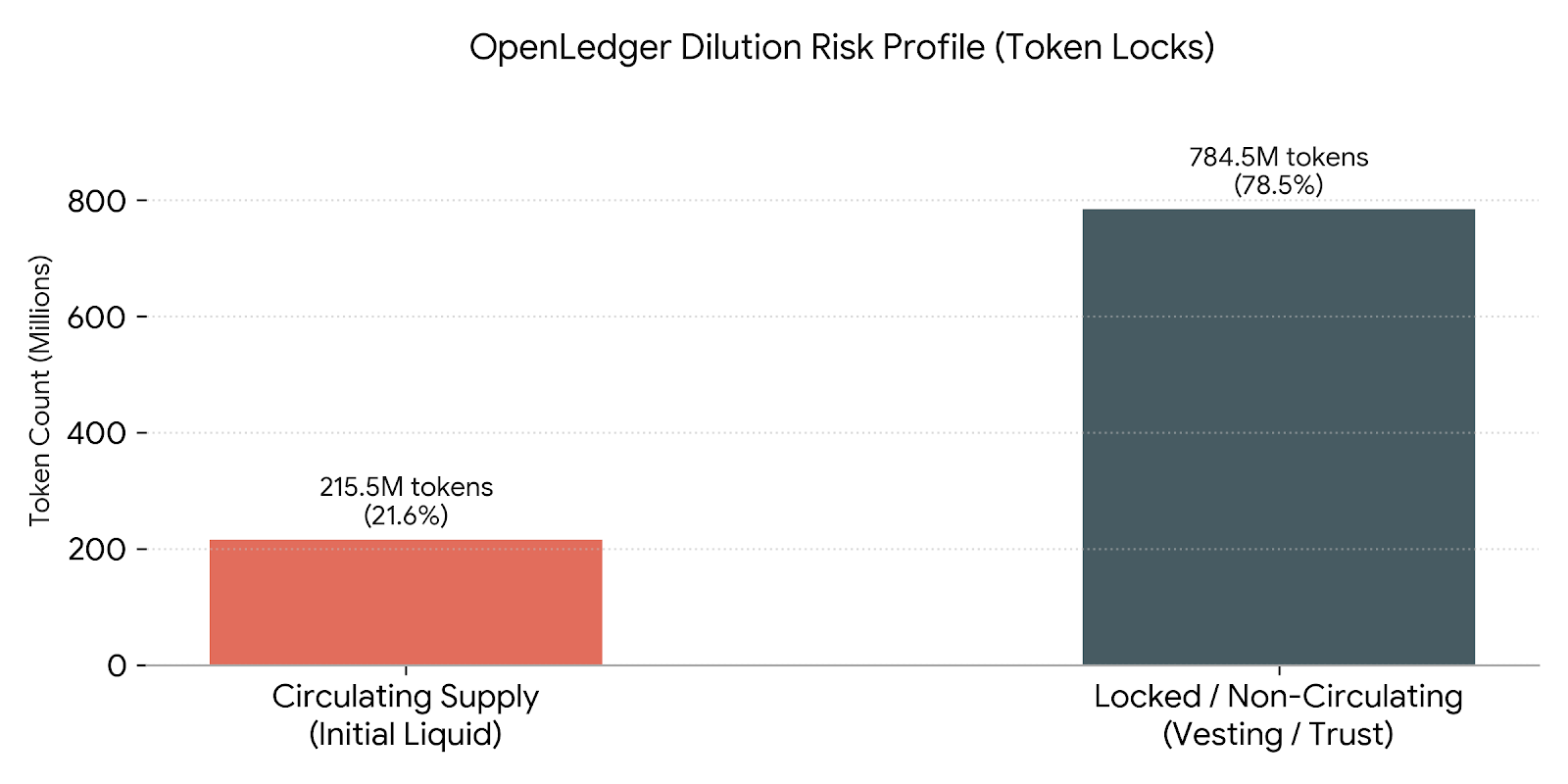
That’s when OpenLedger started making more sense to me. Not as some grand savior project, but as a practical, somewhat imperfect attempt to respond to this quiet shift. It’s an AI-focused blockchain trying to unlock liquidity around data, models, and agents basically creating on-chain ways to track, attribute, and actually reward contributions in a verifiable manner.
I like that it doesn’t pretend to reinvent AI itself. Instead, it’s leaning into the evolving hunger for transparency and provenance. We’ve trusted blockchains to make money movements honest for years. Now we’re starting to want the same honesty for the invisible labor and data that power intelligence. Who trained on what? How much did a particular dataset influence the final model? Can you prove usage and distribute rewards without begging a centralized company for transparency? OpenLedger is trying to build infrastructure for exactly those questions.
Of course, I’m not naive about it. Real human behavior rarely lines up neatly with whitepaper promises. I’ve seen enough projects to know that data owners have been disappointed before why would they suddenly open up their best stuff just because it’s tokenized? Top model builders often choose speed and control over openness. And once you throw autonomous agents into the mix, things get even messier. Still, the project feels timely because the frustrations it addresses are already real and growing. Too many people are tired of being unpaid inputs in someone else’s trillion-dollar machine.
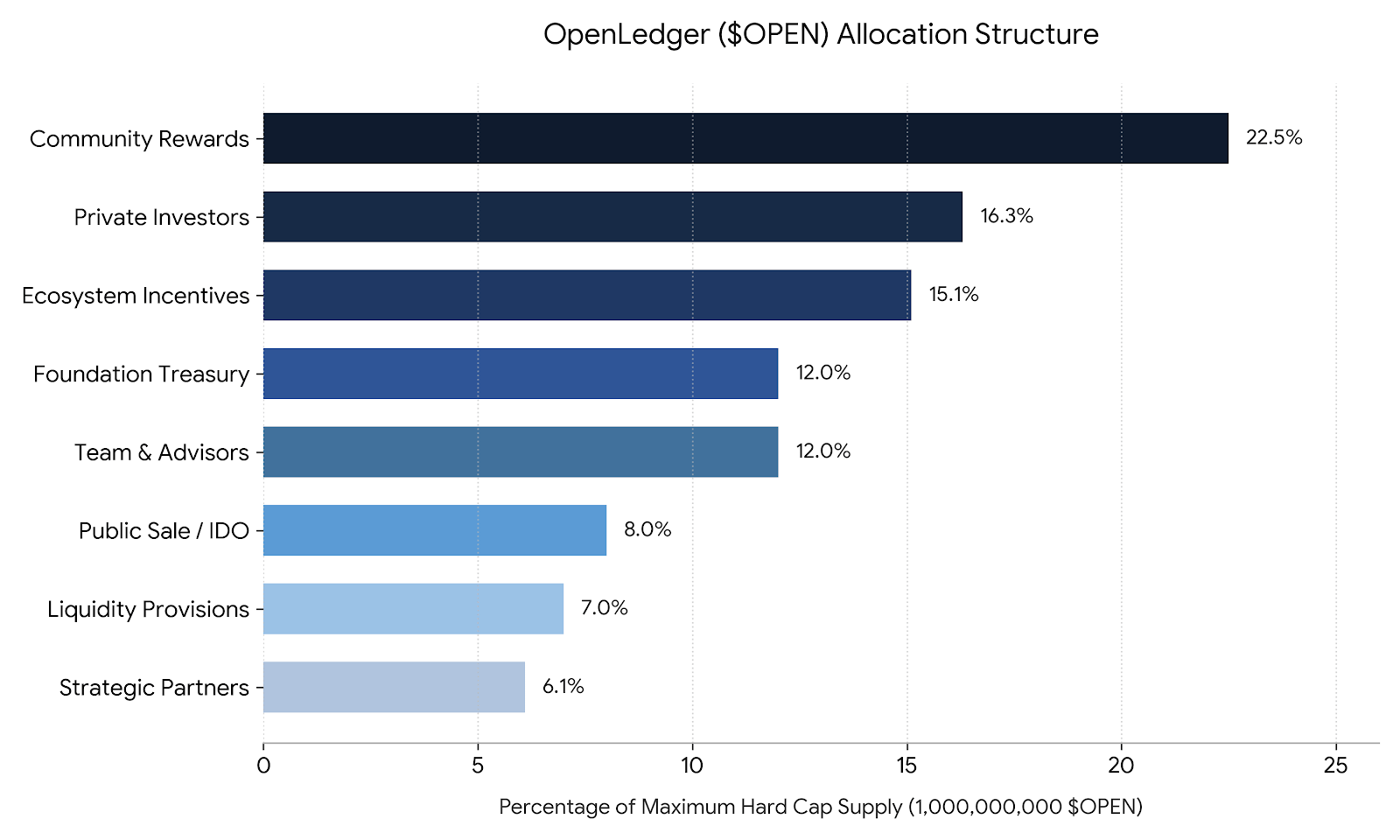
The short-term story will probably be loud and familiar: token pumps, AI-blockchain hype cycles, and plenty of volatility. That part I’ve seen play out dozens of times. What keeps me thinking about OpenLedger is the longer, slower idea that over years, on-chain attribution and liquidity could quietly nurture more specialized, community-owned AI that the big centralized players simply ignore.
Late at night, though, I catch myself wondering if any of us are truly ready for this. Crypto still chases spectacle and quick wins far more than patient, drab infrastructure. AI is moving at such a frantic pace that adding any extra layer of verification can feel like annoying friction. Maybe OpenLedger is showing up a little too early, dropping seeds into soil that’s still too distracted and rocky. Or maybe this is exactly how the next chapter begins when enough people get tired of the old imbalances.
I don’t know. I’m still watching. Time usually figures these things out better than we do.
