

I’ve spent enough time in crypto to notice a pattern: most projects try to create excitement first and value later. The timeline is usually predictable huge announcements, aggressive influencers, endless “next big thing” threads, and then slowly… silence.
That’s probably why I started paying closer attention to @OpenLedger recently.
Not because of hype, but because the conversations around it felt different. Instead of people only talking about price action, I kept seeing discussions around infrastructure, AI ownership, data value, and long-term ecosystem building. That immediately stood out to me because very few projects in the AI sector are actually discussing sustainability.
What personally interests me most is the idea that AI data itself could become a valuable digital asset class in the future. Everyone talks about AI models, but high-quality data is what powers those systems in the first place. As AI adoption grows globally, the demand for trusted and scalable data infrastructure will probably increase far beyond what people expect today.
That’s where OpenLedger starts making more sense to me.
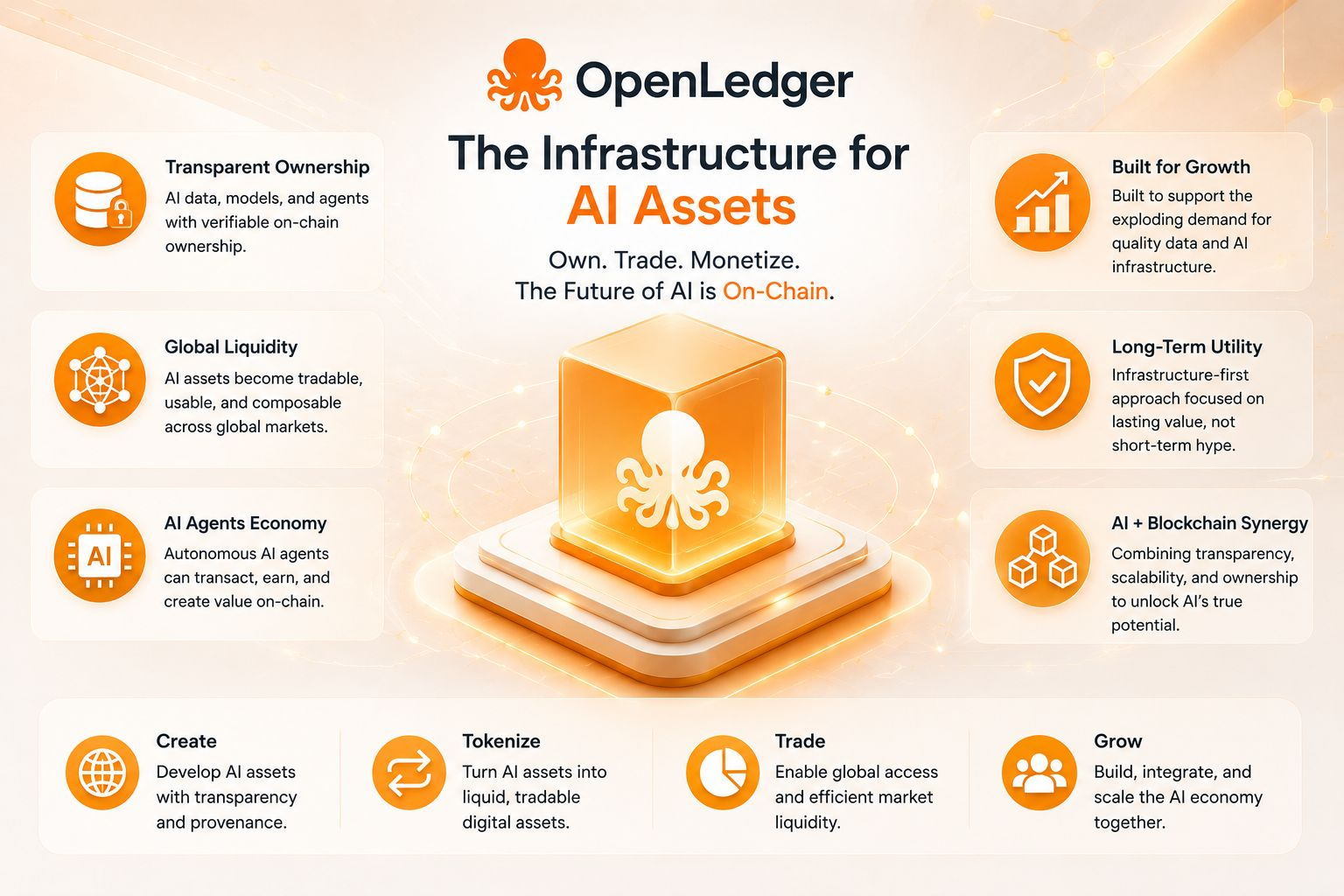
The project seems focused on creating an ecosystem where AI assets, models, and autonomous agents can have transparent ownership and liquidity on-chain. Instead of treating blockchain as decoration, it feels like they’re trying to solve a practical infrastructure problem.
Another thing I noticed is that the community doesn’t feel entirely driven by short-term hype cycles. In crypto, that matters more than people realize. Projects built only on speculation usually collapse once attention shifts somewhere else. But ecosystems focused on infrastructure often survive because they provide ongoing utility.
Of course, being early also means uncertainty. Every AI project carries risk, and narratives alone don’t guarantee success. But I think the AI + blockchain sector becomes much more interesting when projects focus on actual functionality rather than marketing buzzwords.
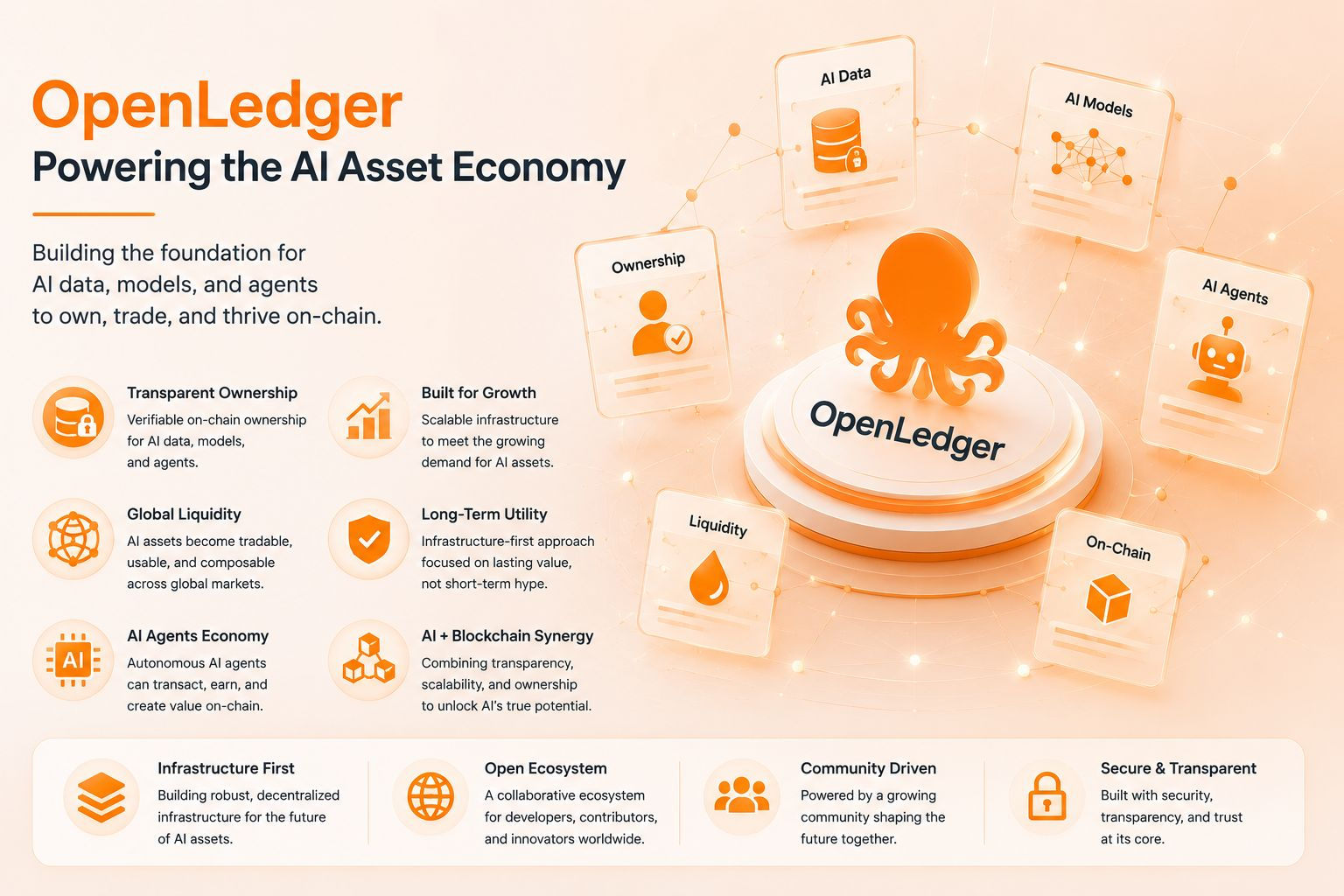
For now, I’m mostly watching how OpenLedger continues developing its ecosystem and whether it can genuinely deliver long-term utility in the evolving AI economy.
