
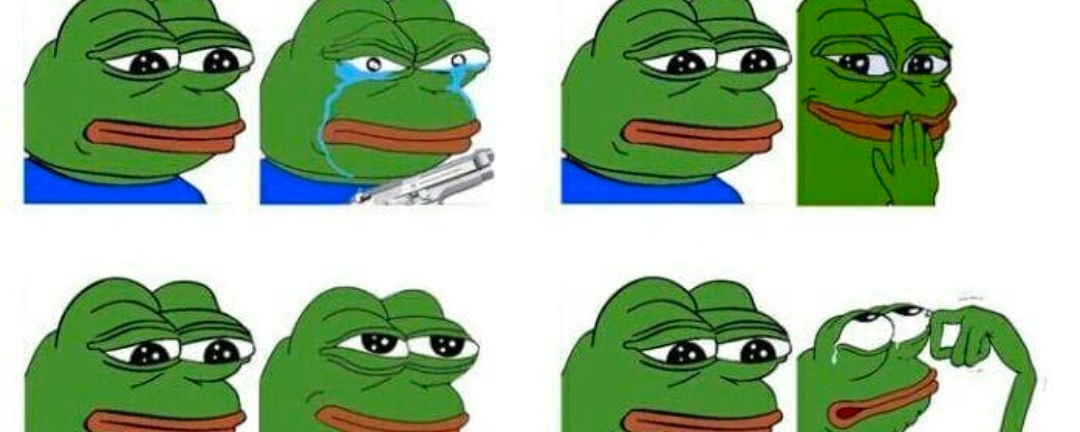

There are memes that come and go like trends on a timeline, and then there’s Pepe. Somehow, Pepe didn’t just survive the internet’s chaos—it adapted, evolved, got misunderstood, got loved, got banned in some places, and still came back smiling like nothing happened.
Pepe the Frog didn’t start as anything big. Back in 2005, he was just a character in a comic by Matt Furie called Boy’s Club. He was a chill, slightly weird frog hanging out with friends, doing random young-adult stuff—nothing deep, nothing “internet legendary” at the time. One panel, where Pepe says “feels good man,” ended up changing everything.
That phrase escaped the comic world and entered the wild internet. And like most things online, people took it, remixed it, distorted it, and turned it into something way bigger than it was meant to be.
How Pepe Became “Internet Culture”
At first, Pepe was harmless. He was used in forums like 4chan and Reddit as a reaction image. If you were too lazy to type how you felt, you just dropped a Pepe face. Happy Pepe, sad Pepe, smug Pepe, crying Pepe—there was basically a Pepe for every human emotion except maybe productivity.
And that’s kind of where his power came from. Pepe wasn’t just a meme; he became a shortcut for feelings people didn’t want to explain.
Instead of saying “I’m disappointed but trying to act fine,” you just post Sad Pepe staring at the wall.
Instead of saying “I feel like I just won life,” you post smug Pepe sipping imaginary tea.
Simple. Lazy. Perfect.
The Strange Turn
Then things got complicated.
Like a lot of internet symbols, Pepe got pulled into spaces it probably was never meant to go. Different groups started using it in different ways, sometimes harmless, sometimes controversial, sometimes completely detached from its original meaning.
For a while, Pepe became one of those “loaded memes” that people argued about—what it means, who owns it, whether it should even exist online anymore. The original creator even had to publicly try to reclaim Pepe as a peaceful character, which is kind of wild when you think about it: a cartoon frog needing a redemption arc in real life.
But here’s the thing about the internet—it rarely lets symbols stay locked in one meaning.
Pepe Doesn’t Belong to One Thing
What’s interesting is that despite everything, Pepe didn’t disappear. If anything, it multiplied.
Now you’ll find:
Artistic Pepe edits
Chill “vibes” Pepe
Absurd surreal Pepe memes
Retro internet Pepe nostalgia posts
Completely unexplainable Pepe images that feel like dream logic
Pepe became less of a character and more of a template. A blank emotional canvas wearing frog skin.
It’s kind of funny when you step back and look at it. A random frog from a comic ended up becoming one of the most recognizable symbols of internet expression.
Why Pepe Stuck Around
Most memes die because they are too tied to a specific joke or moment. Pepe survived because it wasn’t just a joke—it was flexible.
It could be serious or stupid. Happy or existential. Clean or chaotic. It could fit into any mood without needing explanation.
That’s rare online.
Also, there’s a weird comfort factor. Pepe isn’t polished. He isn’t corporate. He isn’t trying to sell anything. He just exists in whatever emotional state you drop him into. That makes him feel weirdly human, even though he’s a frog.
The Modern Pepe Era
Today, Pepe lives in a kind of “post-meme” state. He’s no longer just trending or viral. He’s part of internet history that refuses to retire.
New generations still discover him, remix him, and give him new life. Old internet users see him and feel nostalgia. Artists reinterpret him in surreal ways. And somehow, he still works in 2026 the same way he worked years ago: as a mirror for whatever people are feeling.
Final Thought
Pepe is one of those rare internet things that escaped its original container. He started as a comic character, became a meme, got dragged into internet culture wars, and still came out the other side as something strangely timeless.
Not many digital things survive that kind of journey.
Pepe did.
And at this point, he’s not just a frog anymore—he’s basically a language.#pepe