
The global financial system may be entering one of its most important transitions in decades. As political pressure on the traditional banking structure intensifies, the conversation around decentralized finance and digital assets is growing louder than ever.
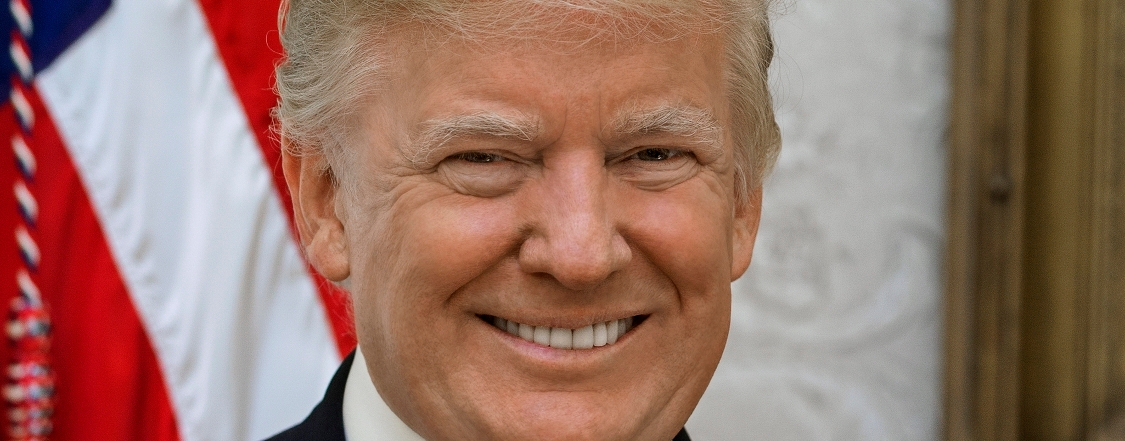
Many crypto investors now believe that former President Donald Trump is helping accelerate a shift away from centralized monetary control — a shift that could ultimately strengthen the position of cryptocurrencies worldwide.
For decades, the Federal Reserve stood at the center of the financial system. Interest rates, money printing, liquidity injections, and monetary policy shaped nearly every major market movement. Traditional finance relied heavily on central banks to stabilize economies during crises, but this system also created growing concerns about inflation, debt expansion, and currency devaluation.
After years of aggressive monetary easing and historic money printing, many investors began searching for alternatives that cannot be manipulated by governments or central banks. This is where Bitcoin and the broader crypto market started gaining serious attention.
Bitcoin’s fixed supply immediately separated it from traditional fiat currencies. Unlike dollars that can be printed endlessly, Bitcoin operates on transparent and predictable rules. That scarcity transformed it from a niche internet asset into what many now call “digital gold.”
The political landscape also began changing rapidly. Support for crypto inside the United States became stronger as lawmakers, institutions, and major corporations recognized the economic potential of blockchain technology. Trump’s increasingly pro-crypto stance added more fuel to this movement, especially among investors who view decentralization as a defense against centralized financial power.
At the same time, institutions started moving aggressively into digital assets:
Spot Bitcoin ETFs opened the doors for traditional investors
Major banks expanded crypto services
Stablecoins entered mainstream payment discussions
Governments began exploring digital asset reserves
This combination of political momentum, institutional adoption, and weakening trust in traditional systems has created a powerful narrative: crypto is no longer just a speculative market — it is evolving into a parallel financial ecosystem.
The idea of a “crypto empire” may sound dramatic, but the numbers suggest the transformation is real. Trillions of dollars are now connected to digital assets through ETFs, blockchain infrastructure, tokenized finance, and decentralized applications. Entire industries are being rebuilt on-chain.
Critics still argue that crypto remains volatile and highly speculative, which is true. Regulation, security risks, and market manipulation continue to be major challenges. But despite every crash, the industry has consistently recovered stronger than before.
That resilience is exactly why many investors believe this moment could become a historic turning point.
If the next decade continues moving toward decentralized finance, digital ownership, and reduced dependence on traditional monetary systems, the rise of crypto may eventually be remembered as one of the biggest financial shifts of the modern era.🚀