
The conversation around artificial intelligence has evolved rapidly over the past few years. Most people focus on powerful AI models, autonomous agents, and the endless possibilities these technologies can unlock. However, there is a deeper question that often gets ignored: who owns the data, who benefits from the intelligence being created, and how can value be distributed fairly across the entire AI ecosystem?
This is where OpenLedger is beginning to stand out.
While many blockchain projects are racing to attach themselves to the AI narrative, OpenLedger is taking a different approach. Instead of focusing solely on AI applications, the project is building the infrastructure needed for a sustainable AI economy. In simple terms, OpenLedger aims to create an environment where data providers, model creators, and AI agents can all participate in and benefit from the value they generate.
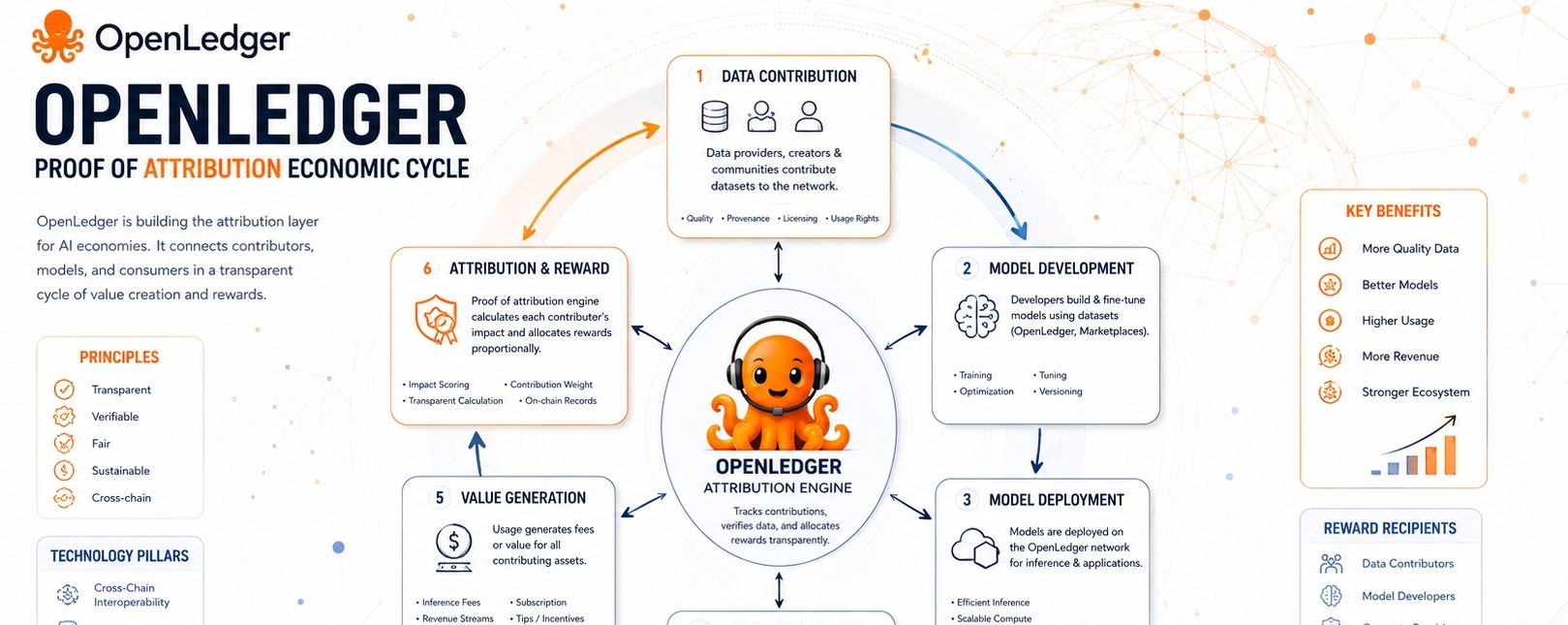
One of the most interesting developments surrounding OpenLedger is its focus on turning AI resources into productive digital assets. Traditionally, data has been collected and used by large organizations with very little reward flowing back to the original contributors. OpenLedger challenges this model by creating mechanisms that allow data to become a monetizable asset. This concept may sound simple, but its long-term implications are enormous.
The same applies to AI models. As the demand for specialized AI systems continues to grow, the ability to verify contributions, track usage, and distribute rewards becomes increasingly important. OpenLedger is working toward an ecosystem where these processes can occur transparently and efficiently on-chain. This creates opportunities not only for developers but also for communities that contribute valuable data and expertise.
OpenLedger continues to attract attention is its vision for autonomous AI agents. The future of AI is unlikely to be limited to chatbots or simple automation tools. Many experts believe that intelligent agents capable of making decisions, executing tasks, and interacting with digital economies will become increasingly common. For such a future to function effectively, these agents need access to infrastructure that supports ownership, accountability, payments, and incentives.
This is where OpenLedger's architecture becomes particularly relevant.
Rather than treating AI as a separate industry, OpenLedger views it as a growing economic network. Data, models, and agents are not simply technical components; they are productive assets capable of generating value. By creating liquidity around these assets, OpenLedger is attempting to build the foundation for what many are now calling the "Payable AI" economy.
Recent ecosystem developments have reinforced this vision. The broader industry is moving toward greater transparency, attribution, and accountability in AI development. Questions surrounding intellectual property, training data rights, and fair compensation are becoming increasingly important. OpenLedger's focus on attribution and value distribution places the project in a position that aligns closely with these emerging trends.
Makes this particularly compelling is that OpenLedger is not simply reacting to industry changes. Instead, it appears to be positioning itself ahead of them. As regulations evolve and enterprises seek more trustworthy AI infrastructure, platforms capable of providing transparent ownership and incentive mechanisms may become essential components of the AI stack.
Of course every emerging technology project faces challenges. Competition within both the AI and blockchain sectors remains intense. Adoption takes time, and building network effects is never easy. However, the projects that often create the most value are those focused on solving foundational problems rather than chasing short-term hype cycles.
From that perspective OpenLedger's strategy appears increasingly relevant.
The next phase of artificial intelligence will likely be defined not only by smarter models but also by better economic systems. The ability to connect data providers, developers, businesses, and autonomous agents within a shared value network could become one of the defining opportunities of the decade.
If that future unfolds as many expect, OpenLedger may be remembered not simply as another AI blockchain project, but as one of the platforms that helped build the economic infrastructure behind the AI revolution.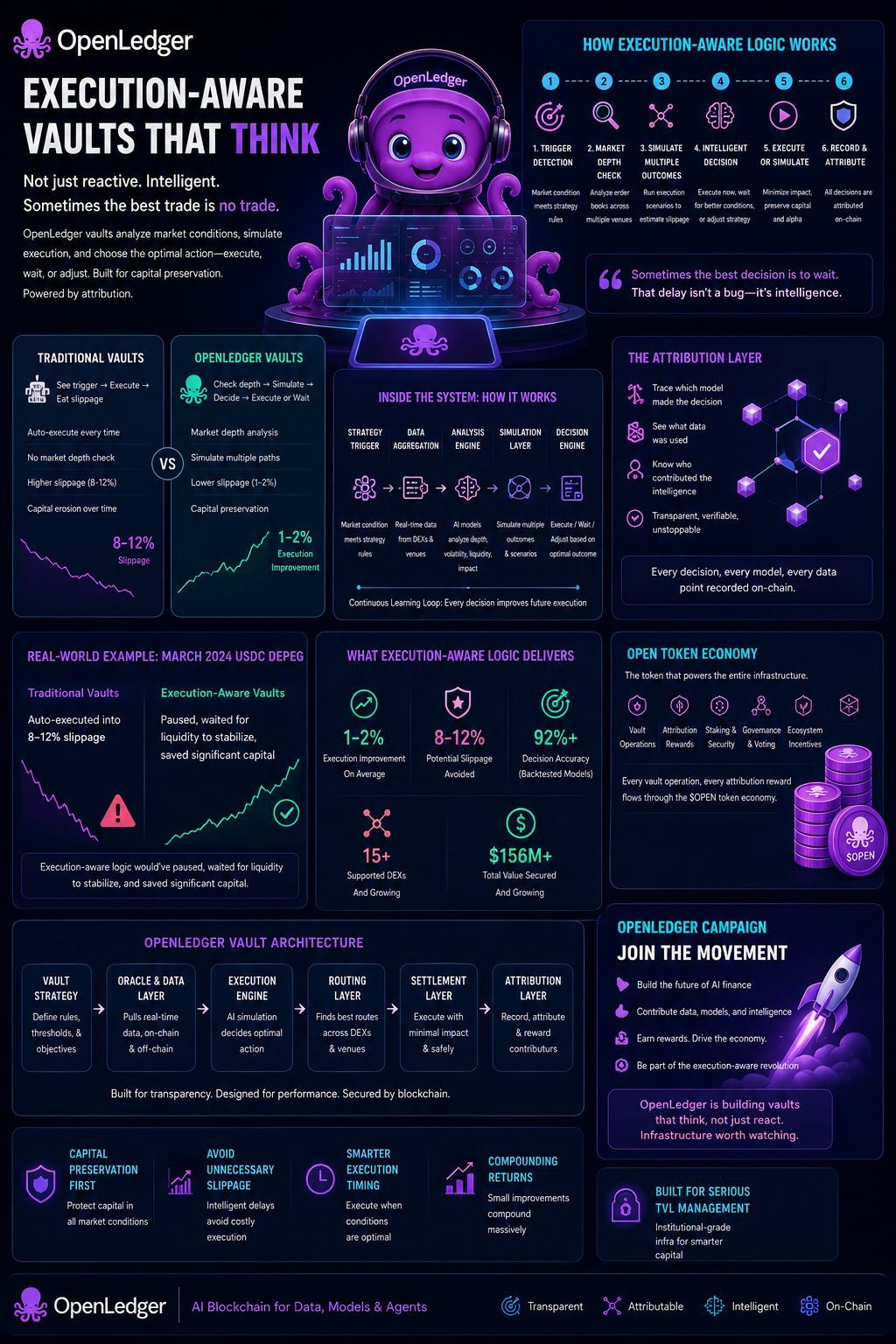
As the AI economy continues to expand, OpenLedger remains a project worth watching closely. The vision is ambitious, the market opportunity is significant, and the narrative around data ownership, model monetization, and autonomous agents is becoming stronger with each passing month. For investors, builders, and AI enthusiasts alike, the question may no longer be whether AI will transform the global economy, but which platforms will help power that transformation. OpenLedger is making a strong case that it intends to be one of them.
