
A familiar pattern has been seen across crypto for years.
Mainnets are announced, delays happen, communities lose patience, and updates become vague over time.
That pattern was avoided by @OpenLedger.
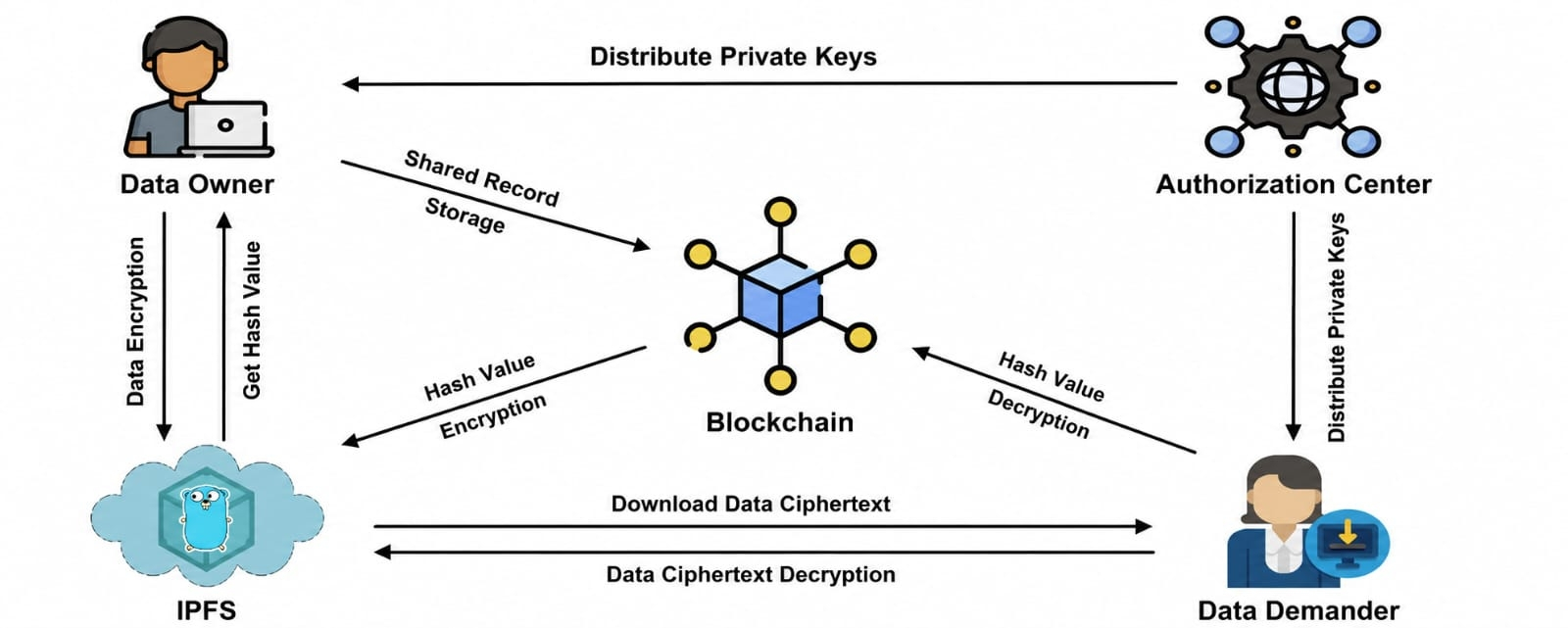
The mainnet was launched in November 2025 with on chain data attribution, verifiable provenance, and automated contributor payments already active in production.
That matters because many projects spend years discussing infrastructure without fully launching it.
Since then, several developments have followed.
One of the more important collaborations in early 2026 was formed with Story Protocol.
Work was focused on tracking AI training data while enabling payments to rights holders to be distributed automatically.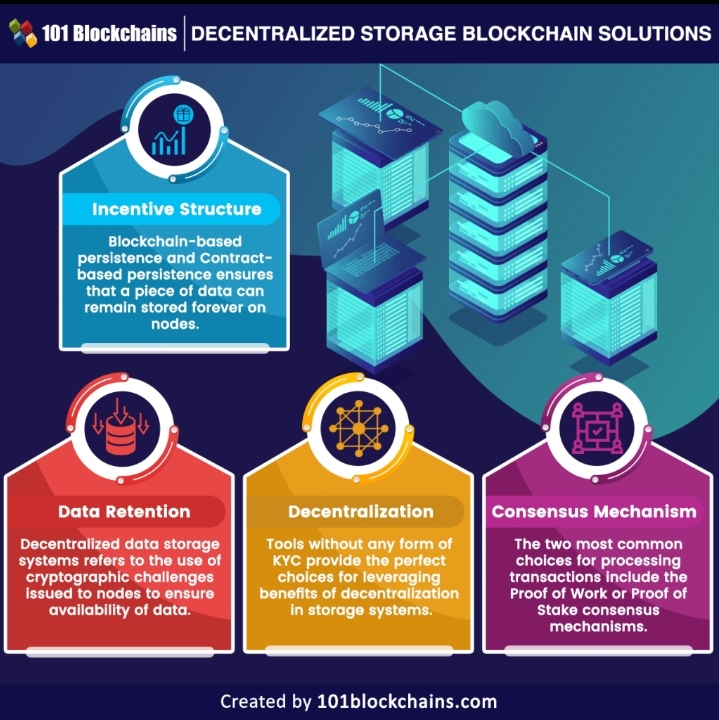
At the same time, copyright disputes connected to AI training data continued increasing across the US and Europe.
Attribution systems had already been introduced by OpenLedger before regulators began pushing companies to address the issue more directly.
Another step was taken through the Trust Wallet integration.
Natural language wallet interactions were enabled while attribution data continued being tracked through OpenLedger in the background.
Most partnerships in crypto do not lead to meaningful adoption, but Trust Wallet already operates at large scale.
Even moderate usage could create valuable long term network activity.
Attention was also given to the Cambridge research initiative.
A total of $5 million in funding was allocated toward research focused on transparent blockchain and AI systems.
Academic partnerships are often used for marketing in crypto, although funded research connected to a major university tends to carry more credibility.
The 2026 roadmap remains focused on practical expansion.
One of the larger milestones is the AI Marketplace, where AI models and datasets are expected to be bought, sold, and monetized with transparent revenue distribution built into the system.
Enterprise pilots are also continuing in medical diagnostics and financial risk modeling.
These industries usually move slowly, although significant capital is often involved once adoption begins.
Another possible use case may emerge through the MARBLEX gaming integration.
Large amounts of user generated content and procedural data are produced through gaming ecosystems, yet AI attribution still remains underdeveloped across much of the industry.
Risks still remain.
A significant token unlock is scheduled for September 2026, and additional supply entering the market afterward could place pressure on price.
The key question is whether product demand grows fast enough to absorb that supply. That answer is still uncertain.
At the same time, regulatory developments may benefit projects already supporting transparent data attribution.
The EU AI Act continues encouraging systems built around clear provenance and accountability.
That category is already being operated in by OpenLedger today.
The infrastructure is live. The products are active. The broader issue around AI data compensation still remains unresolved.
Systems are now being built around that gap.