

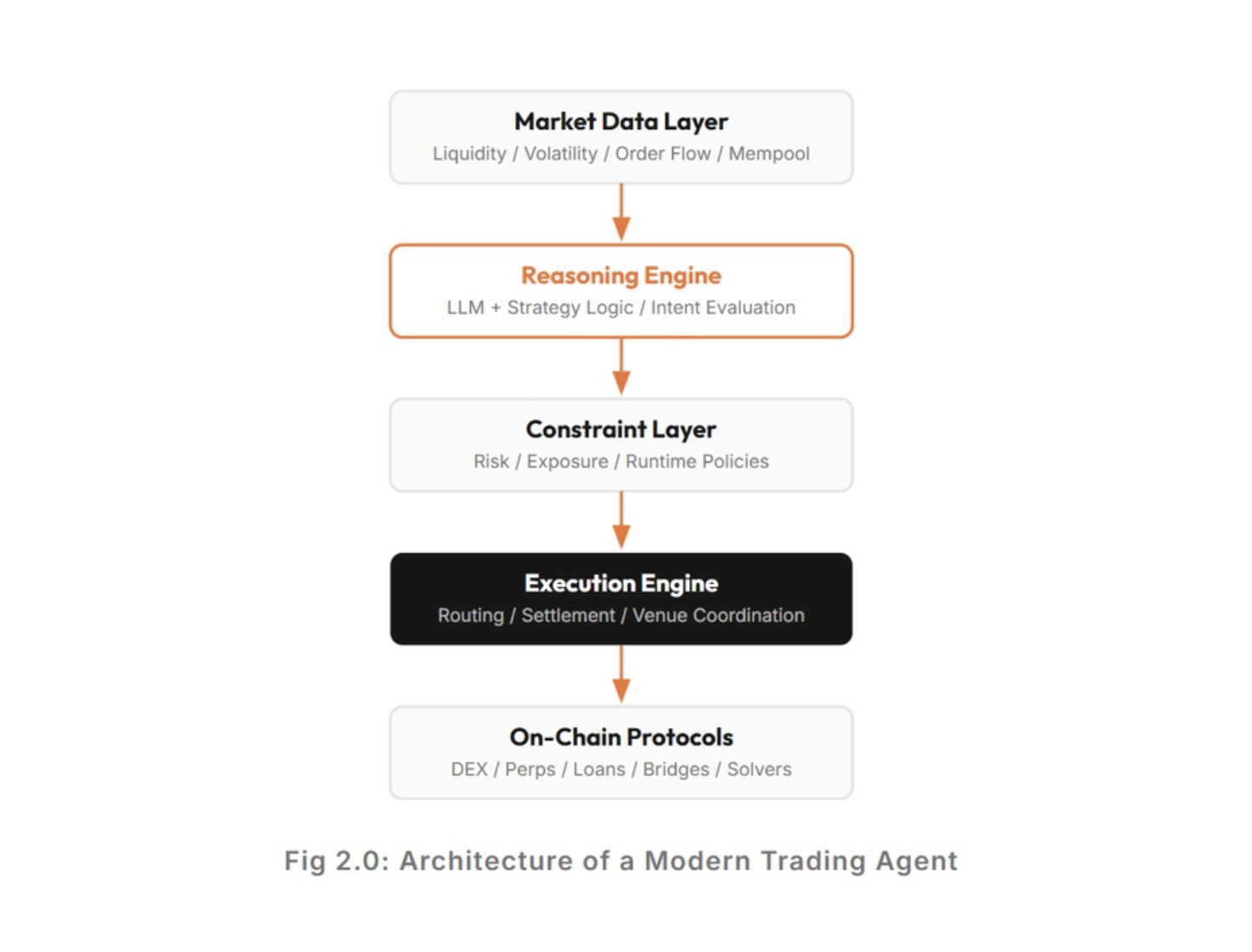
The AI sector is moving far beyond simple chatbots and content generation.

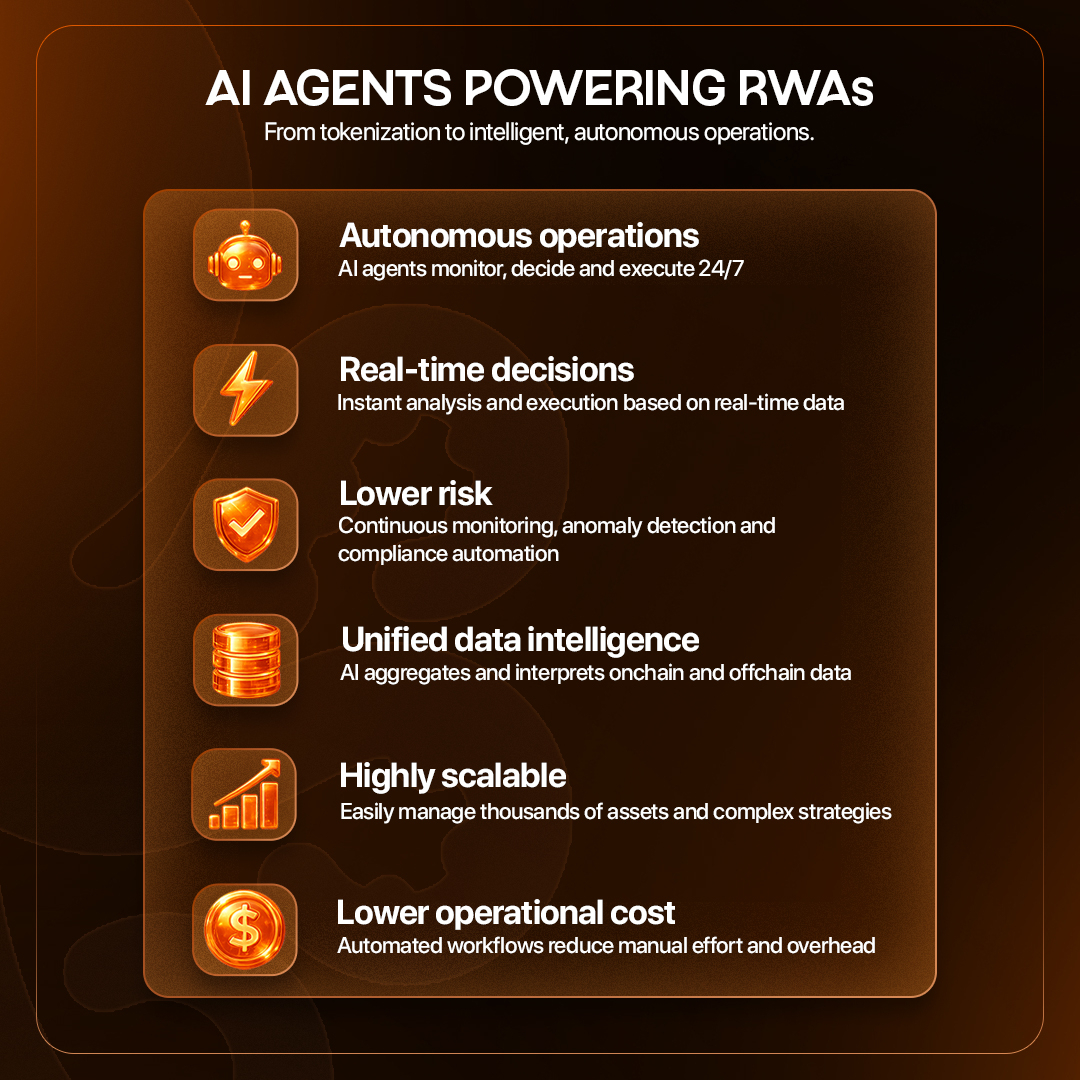
The next phase is increasingly focused on autonomous agents capable of:
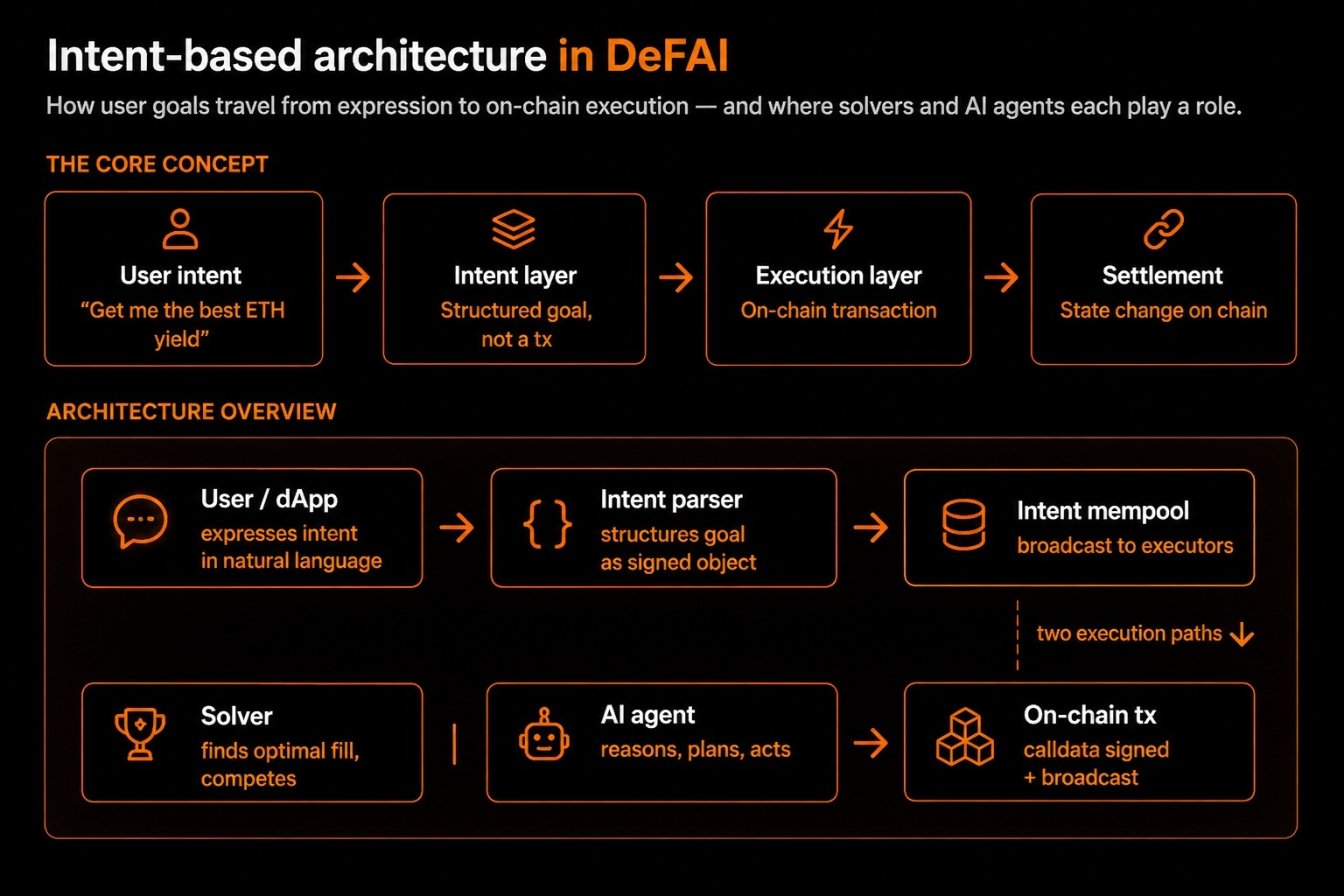
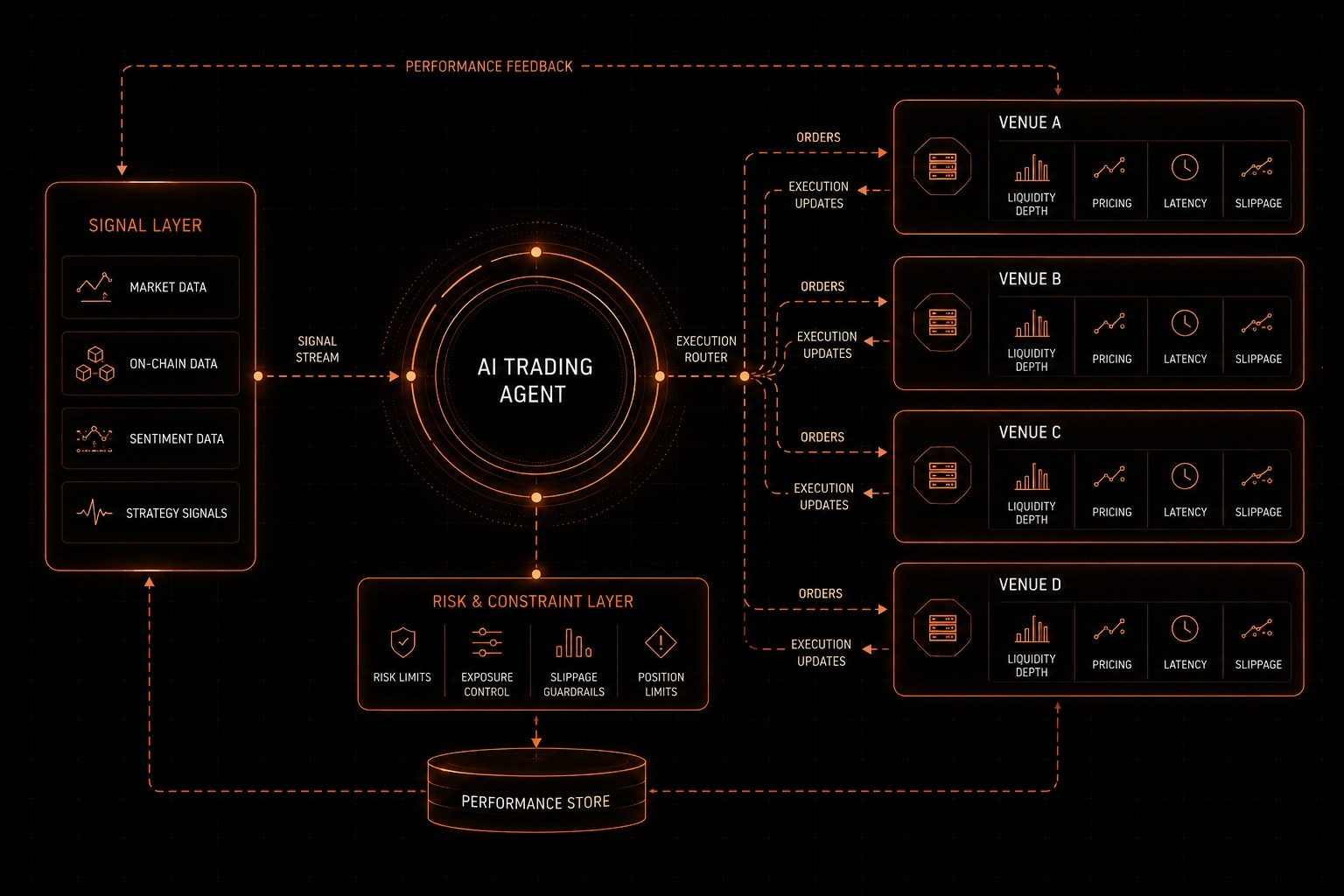
Executing transactions
Coordinating services
Interacting across chains
Managing assets
Making real-time decisions
But once AI systems begin interacting with actual economic environments, intelligence alone is no longer enough.
Execution, attribution, and accountability become critical infrastructure problems.
That is the direction OpenLedger seems increasingly focused on.
Why AI Agents Need Verifiable Execution
One thing that stood out from today’s OpenLedger AMA announcement was the focus on onchain execution and AI infrastructure rather than generic AI narratives.
Most AI systems today still rely heavily on:
Centralized APIs
Hidden execution layers
Opaque decision systems
Unverifiable inference logic
That structure creates major limitations once autonomous agents begin handling financial actions or coordinating value across decentralized environments.
If AI agents eventually interact with real economies, then systems need ways to verify:
What happened
Which model acted
Where intelligence originated
Who contributed to the result
This is where OpenLedger’s infrastructure approach becomes much more interesting.
The project continues building around:
Proof of Attribution
Decentralized inference
Transparent execution
Contributor-based economics
Onchain settlement systems
Instead of simply marketing AI agents, OpenLedger appears focused on the infrastructure required to make those agents economically accountable.
Datanets Could Reshape AI Contribution Economics
One of the strongest concepts inside the OpenLedger ecosystem is the Datanets framework.
Traditional AI systems usually operate through extractive models:
users contribute data,
models get trained,
companies capture value,
contributors disappear.
OpenLedger attempts to redesign that structure by allowing datasets, models, and contributors to remain economically linked to inference activity.
That changes the relationship between AI systems and the people powering them.
Instead of static datasets being consumed once and forgotten, OpenLedger’s infrastructure attempts to create continuously monetizable AI contribution systems.
If scalable, this could become one of the most important economic shifts inside decentralized AI infrastructure.
Proof Of Attribution May Become Essential Later
Most current AI systems still operate like black boxes.
You rarely know:
What data influenced outputs
Which contributors mattered
How rewards should be distributed
Where intelligence actually originated
OpenLedger’s Proof of Attribution system attempts to solve this problem through verifiable tracking of:
Datasets
Models
Contributors
Inference pathways
That infrastructure may become increasingly important as AI systems grow more autonomous and economically active.
Because eventually, AI ecosystems may require accounting systems underneath intelligence itself.
And attribution becomes part of that accounting layer.
OpenLedger’s Ecosystem Direction Feels Infrastructure-Focused

Recent OpenLedger ecosystem expansion also reflects this broader infrastructure direction.
The project has recently explored integrations and ecosystem collaborations involving:
AI agents
Cross-chain execution
Decentralized inference
Verifiable AI coordination
Onchain execution systems
The recent collaboration discussions involving projects like Theoriq, LayerZero, Injective, Chainbase, Algebra, and DGrid all point toward one larger objective:
building AI systems capable of operating across decentralized economic environments with transparent execution and traceable coordination.
That feels far more sustainable long term than purely speculative AI narratives.
The Biggest Challenge Still Remains Scalability
The difficult part, however, is obvious.
Attribution across complex AI systems is not easy.
Modern AI models are:
Probabilistic
Layered
Continuously evolving
Increasingly autonomous
Tracking contribution accurately across multiple datasets, agents, and inference systems without introducing manipulation vectors or inefficiencies may become one of the hardest infrastructure problems in decentralized AI.
This is why execution matters more than hype.
Because building accountable AI infrastructure is a systems challenge, not simply a branding challenge.
Conclusion: AI Economies May Eventually Need Accountability Infrastructure
The AI industry is evolving quickly, but most conversations still focus only on model capability.
The larger long-term opportunity may exist underneath:
Attribution
Execution
Coordination
Accountability
Economic infrastructure
That appears to be the layer OpenLedger is attempting to build.
If autonomous AI agents eventually become economically active across decentralized systems, infrastructure focused on transparency and verifiable execution could become increasingly important over the next decade.
And that is why OpenLedger’s direction is becoming more interesting to watch beyond short-term market narratives.
