


Crypto ko extreme slogans bahut pasand hain.
Fully on-chain AI.
Fully autonomous agents.
Everything decentralized.
Phir thoda deeply dekho to pata chalta hai ki half stack abhi bhi centralized APIs, off-chain compute, private databases, cloud inference aur trusted middleware pe chal raha hota hai jo quietly poora system hold karke rakhta hai. Marketing absolute lagti hai. Architecture usually utna decentralized hota hi nahi.
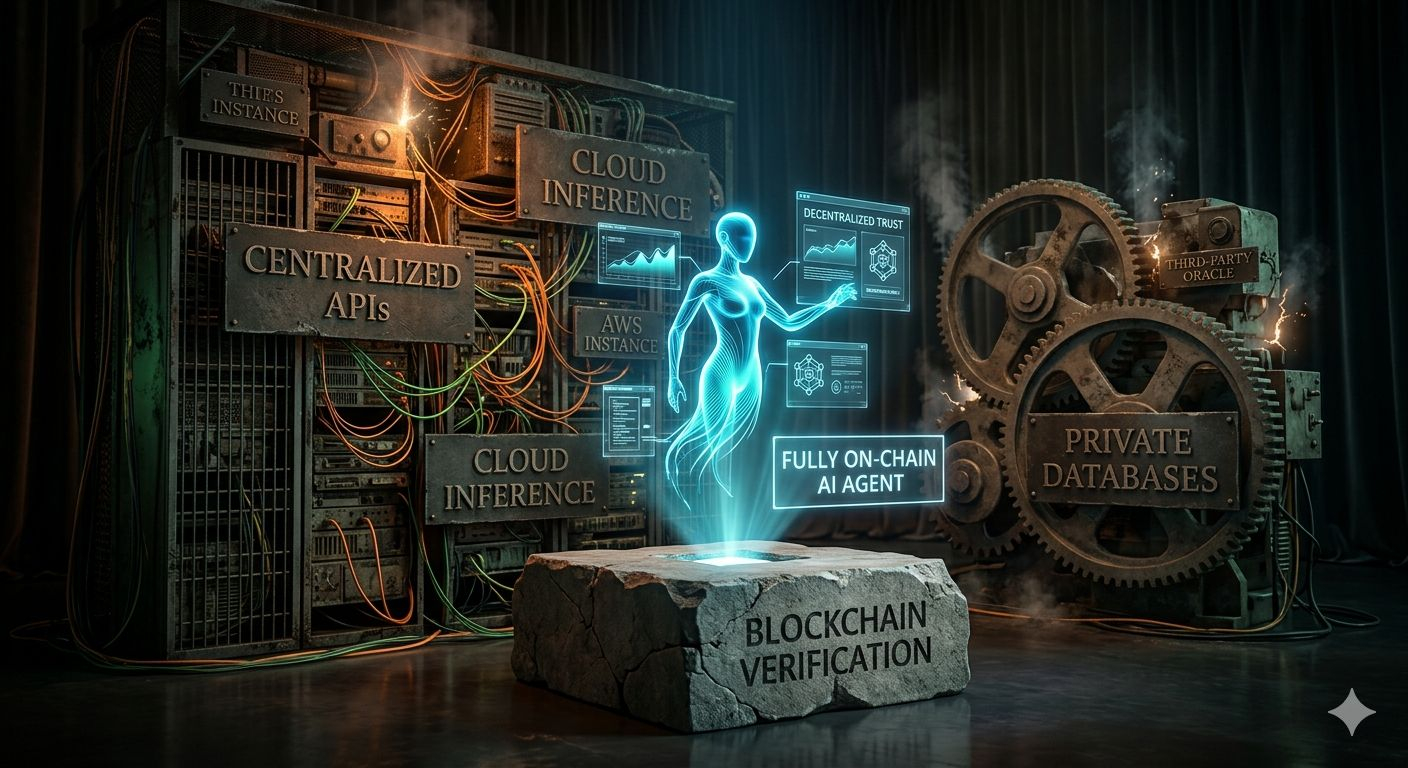
Isi wajah se @OpenLedger ke baare me padhte waqt ek question baar baar dimaag me aa raha tha:
AI ke context me “everything runs on-chain” ka actual meaning kya hota hai?
Kyuki bahut log imagine karte hain ki AI blockchain ka matlab large language models directly blockchain ke andar chal rahe hain. Reality me aisa nahi hota. Aur honestly, agar aaj ke time pe AI computation ka har part fully on-chain force kar diya jaye to economics almost instantly break ho jayegi.
Socho modern AI systems actually karte kya hain.
Massive datasets. Constant parameter updates. Distributed compute. Retrieval systems. Memory layers. Inference routing. Tool execution. Multiple components continuously interact karte rehte hain. Basic inference hi huge hardware consume karta hai. Ab imagine karo ye sab traditional blockchain execution environments ke andar push karna.
Gas fees explode ho jayengi.
Latency unusable ho jayegi.
Throughput collapse kar jayega.
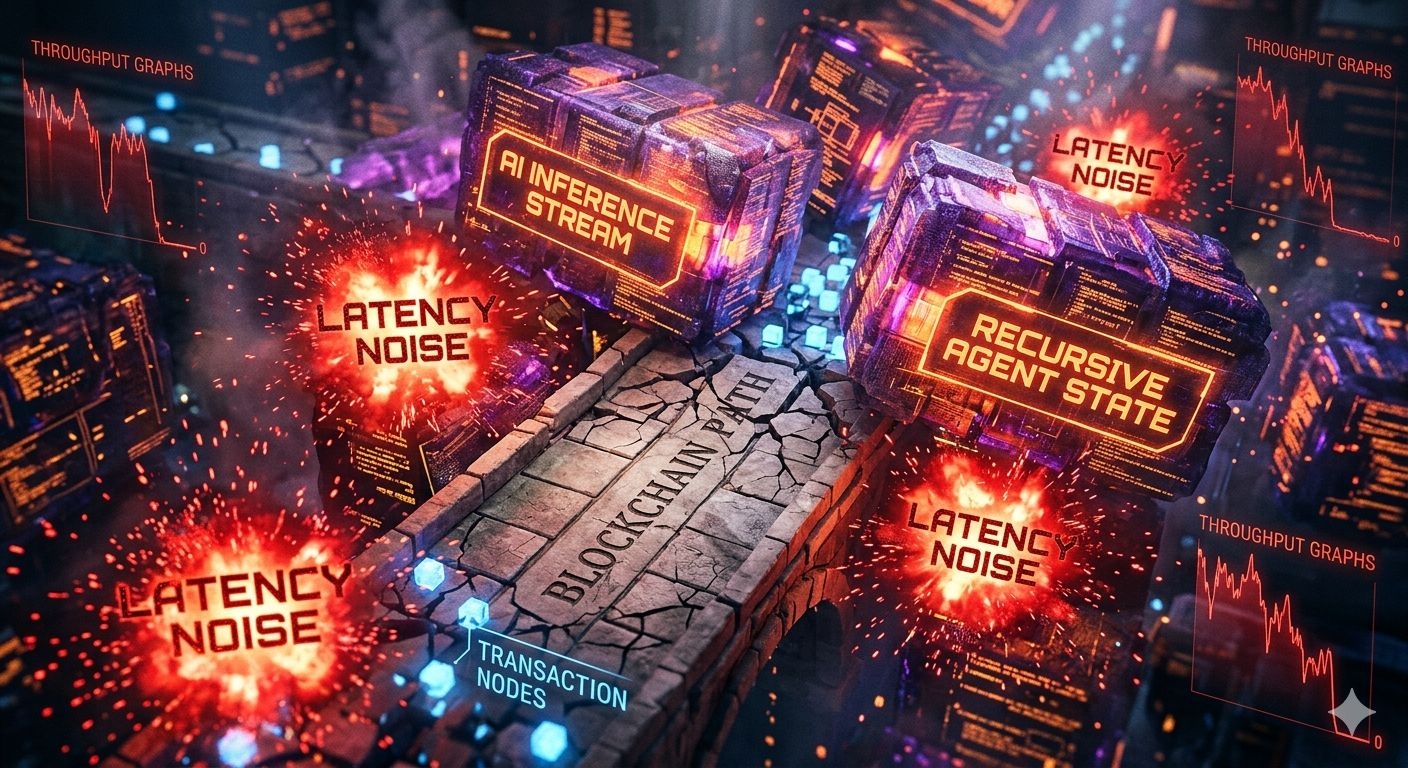
Traditional chains human settlement aur state verification ke liye bani thi. Continuous machine-speed AI inference activity ke liye nahi.
Aur yehi reality bahut saare “fully on-chain AI” narratives quietly avoid karte hain.
Interesting question ye nahi hai ki har computation block ke andar ho raha hai ya nahi. Real question ye hai ki kaunsi cheezein blockchain guarantees deserve karti hain… aur kaunsi nahi.
Ye distinction bahut important hai.
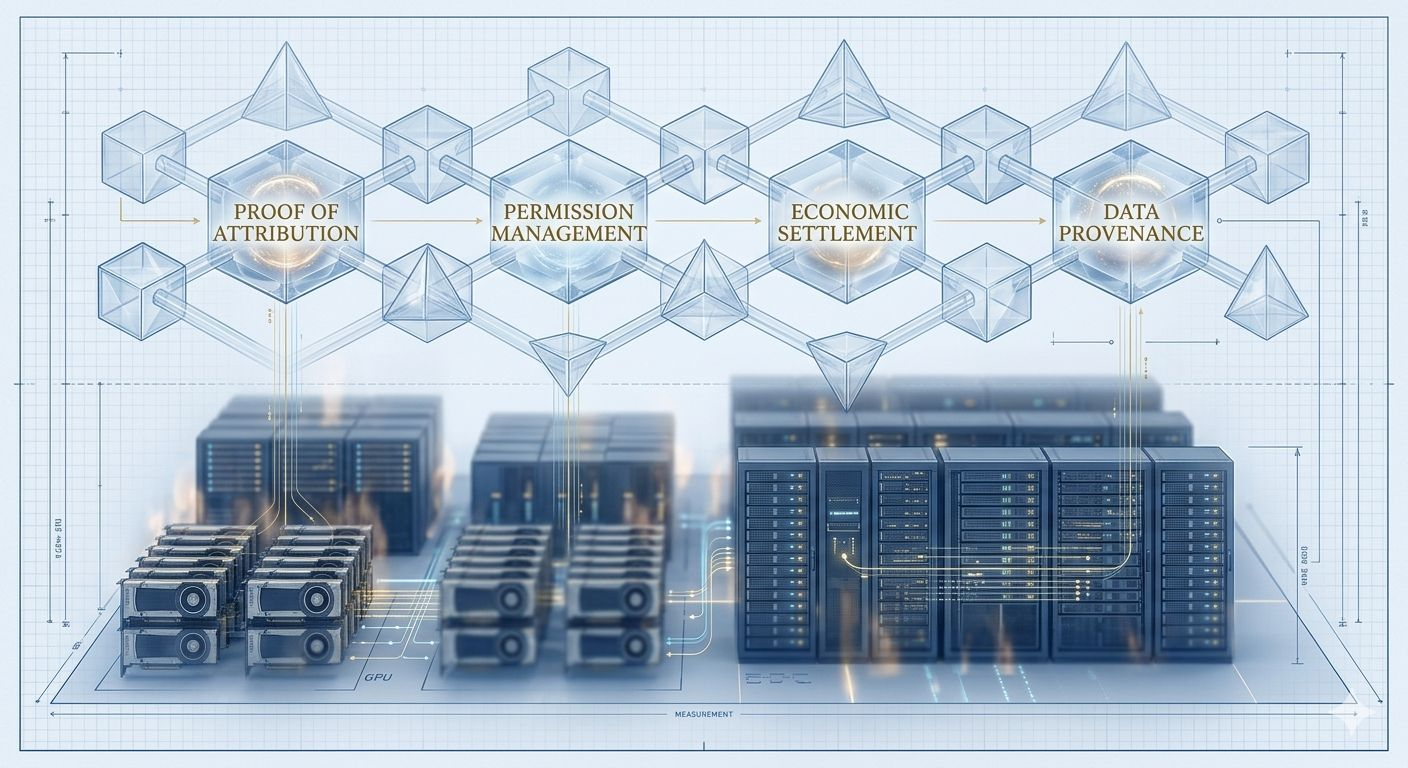
Aaj bhi most AI workloads off-chain compute pe heavily depend karte hain because GPUs aur cloud infra blockchain consensus systems se kaafi zyada efficient operate karte hain. Full-scale inference ko directly general-purpose chains pe run karna almost instantly bottlenecks create karega.
Lekin attribution?
Permissions?
Economic settlement?
Model lineage?
Data provenance?
Inference accounting?
In cheezon ko on-chain record karna actually useful hai because transparency aur verifiability waha genuinely matter karte hain.
Aur yahi point pe OpenLedger ka architecture mujhe kaafi zyada practical lagta hai compared to louder AI narratives floating around crypto.
Ye pretend nahi karta ki AI ka har computation magically fully on-chain belong karta hai. Instead OpenLedger zyada focus karta dikhta hai coordination layer ko blockchain infrastructure ke andar embed karne pe. Datanets, Proof of Attribution, inference economy mechanics, model contribution tracking, permission systems — chain GPU replace karne ki jagah accountability aur economic coordination layer ban jati hai AI activity ke niche.
Big difference.
Jitna zyada iske baare me sochta hu, utna lagta hai “everything runs on-chain” framing hi galat ho sakti hai.
Long term me important shayad ye nahi hoga ki har computation blockchain execution ke andar force ki jaye. Important ye hoga ki ownership, attribution, coordination, payments aur economic interaction wali layers enough transparent aur verifiable ho taki autonomous systems reliable scale pe operate kar sakein.
Aur honestly, ye problem crypto Twitter pe dikhne wale AI x blockchain threads se kaafi harder hai.
Especially jab agents continuously interact karna start karte hain.
Ek autonomous agent jo markets, tools, datasets aur APIs ke across decisions le raha ho huge operational complexity generate karta hai. State constantly change hoti rehti hai. Execution context har second shift hota hai. Different chains fragmented liquidity aur fragmented state assumptions hold karte hain simultaneously.
Ab imagine karo traditional infrastructure ke upar ye sab fully on-chain coordinate karna.
It chokes.
Isi liye mujhe lagta hai AI blockchains ke around scalability discussions abhi bhi massively underestimated hain. Most log abhi bhi old blockchain mental models se evaluate kar rahe hain jaha transactions simple aur isolated hote hain.
AI systems isolated nahi hote.
Recursive hote hain.
Persistent hote hain.
State-heavy hote hain.
Context-dependent hote hain.
Aur jab networks occasional human-triggered transactions process karne ki jagah continuous autonomous machine activity coordinate karna start karte hain, tab infrastructure requirements completely different ho jati hain.
Yahi reason hai ki OpenLedger ka approach mujhe usual “AI wrapper with tokenomics” formula se zyada grounded lagta hai jo crypto har cycle recycle karta rehta hai.
Chain sirf transaction storage layer jaisi nahi lagti. Zyada economic coordination layer jaisi lagti hai jo specifically AI participation ke around build hui ho — attribution loops, inference payments, Datanets, model deployment, permission systems… sab network architecture ke andar tied together.
Aur honestly, long term me real AI infrastructure shayad isi direction me evolve kare.
Not everything fully on-chain.
Lekin important economic relationships enough verifiable ho taki autonomous systems hidden centralized trust assumptions pe depend kiye bina coordinate kar sakein.
Market abhi us cheez ko value karta hai ya nahi… wo alag question hai.
Crypto hamesha spectacle ko infrastructure se faster reward karta hai.
“Fully on-chain AI agents” exciting lagta hai.
“Distributed attribution and coordination infrastructure for persistent autonomous systems” backend engineers ka 2 a.m. discussion lagta hai.
Lekin usually boring infrastructure layer hi later matter karta hai jab sab log upfront narratives chase kar rahe hote hain.