
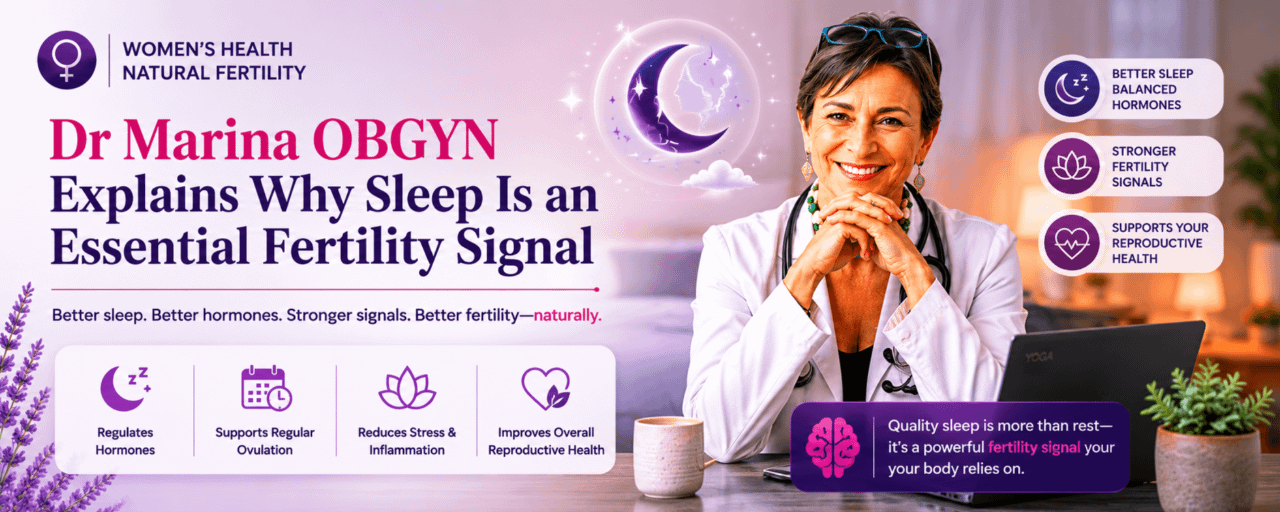
Fertility conversations have traditionally focused on hormones, ovulation,
age, and ovarian reserve. However, according to Dr Marina OBGYN, emerging
research now shows that sleep may play a much larger role in fertility than
previously understood. Scientists are discovering that poor sleep may directly
influence reproductive health through inflammation, immune function, and hormonal
signaling.
Recent studies examining sleep disturbances and infertility suggest that
insomnia, short sleep duration, and irregular sleep patterns may increase the
risk of fertility problems. Researchers believe this connection may occur
through chronic low-grade inflammation that quietly affects the body long
before fertility tests show abnormalities.
Dr Marina OBGYN explains that sleep is essential for the body’s ability to
regulate hormones, repair cells, balance immune responses, and support healthy reproductive
function. When sleep quality declines, the body may produce higher levels of
inflammatory markers such as C-reactive protein, interleukin-6, and tumor
necrosis factor-alpha.
These inflammatory changes may interfere with
ovulation, egg development, endometrial receptivity, and embryo implantation.
According to Dr Marina OBGYN, this may help explain why some women experience
infertility even when hormone levels and menstrual cycles appear normal.

Sleep also strongly affects circadian rhythm, which plays a critical role in
reproductive health. Irregular sleep schedules, late-night screen exposure, and
chronic sleep disruption may negatively influence melatonin production,
cortisol balance, insulin sensitivity, and hormone signaling within the reproductive
system.
Melatonin is particularly important because it acts as a powerful
antioxidant within the ovaries and may help protect egg quality. Chronic sleep
deprivation may quietly increase oxidative stress and inflammation, potentially
affecting fertility over time.
Dr Marina OBGYN emphasizes that fertility is not controlled by hormones
alone. The body’s perception of safety, recovery, energy availability, and
stress balance also influences reproductive function. Poor sleep may signal
chronic stress to the body, creating an internal environment less supportive of
conception and pregnancy.
This newer understanding shifts fertility care toward a more restorative and
whole-body approach. Sleep is no longer viewed as simple lifestyle advice — it
is increasingly recognized as a biological foundation for reproductive
wellness.

According to Dr Marina OBGYN,
improving sleep quality may support fertility naturally by reducing
inflammation, improving immune balance, and helping reproductive hormones
function more effectively. Small changes such as maintaining a regular sleep
schedule, reducing blue light exposure at night, managing stress, and
prioritizing restorative sleep may positively influence reproductive health
over time.
Ultimately, fertility is highly responsive to the body’s internal
environment. Nutrition, metabolism, inflammation, stress, and sleep all work
together to influence conception. Dr Marina OBGYN believes that before
searching for complicated fertility solutions, many individuals may first need
to ask a simpler question: is the body truly rested enough to create life?