
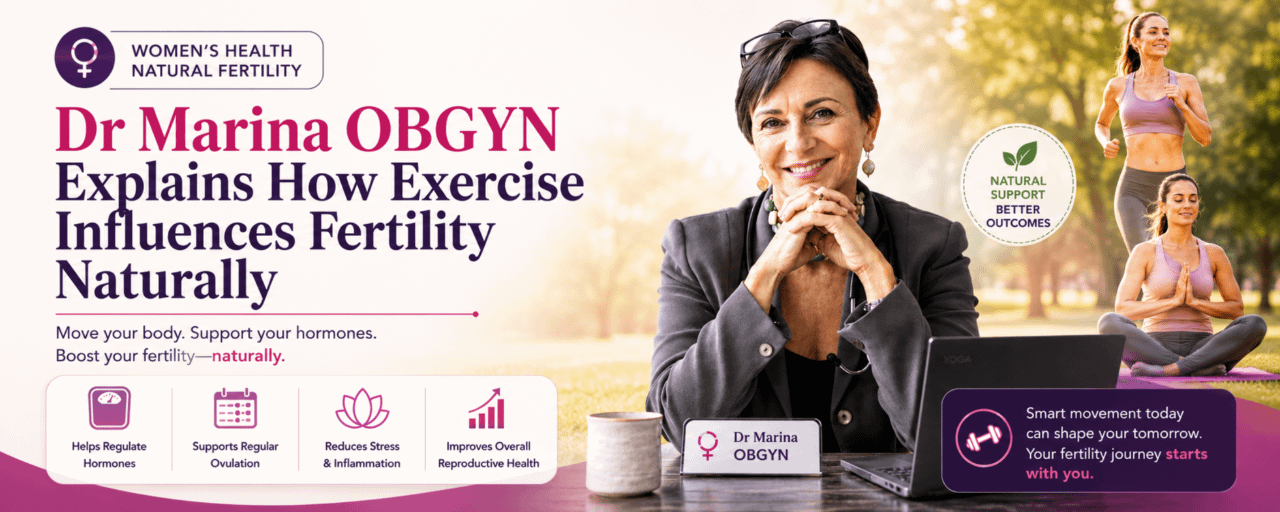
Exercise plays an important role in overall health, but according to Dr
Marina OBGYN, physical activity also has a powerful influence on fertility,
hormone balance, and reproductive wellness. Modern fertility research shows
that movement affects metabolism, blood circulation, insulin sensitivity,
inflammation, stress levels, and ovulation. However, the relationship between
exercise and fertility is more complex than simply “more exercise equals better
fertility.”
Recent studies suggest that moderate physical activity may improve fertility
outcomes, especially for women dealing with obesity, insulin resistance, or
metabolic dysfunction. Research highlighted by fertility experts found that
structured exercise programs were linked to improved ovulation, healthier
menstrual cycles, better hormone regulation, and higher pregnancy rates.
Dr Marina OBGYN explains that moderate activities such as walking, swimming,
yoga, cycling, Pilates, and light strength training may help create a healthier
internal environment for conception. These activities can support
cardiovascular health while also reducing inflammation and improving metabolic
balance.

At the same time, excessive high-intensity training may negatively affect
reproductive hormones in some individuals. When intense exercise is combined
with inadequate nutrition or chronic physical stress, the body may reduce
ovulation and disrupt menstrual cycles. This condition, known as functional
hypothalamic amenorrhea, is commonly seen in women experiencing energy
imbalance.
According to Dr Marina OBGYN, fertility tends to thrive in balance rather
than extremes. Women trying to conceive should pay attention to irregular
cycles, missed periods, or changes in ovulation patterns, as these may indicate
that the body is under excessive physical stress.
Nutrition is another critical factor often overlooked during fitness
routines. Exercise without proper nourishment may place additional strain on
reproductive health. The body requires sufficient energy, nutrients, and
recovery to maintain healthy hormone production and support fertility
naturally.
Exercise also influences male fertility. Research suggests that moderate
physical activity may improve sperm quality, reduce oxidative stress, and
support healthier hormone levels in men. However, excessive endurance training
and chronic physical strain may negatively impact sperm production as well.

Dr Marina OBGYN believes personalized fertility care is essential because
every individual responds differently to exercise intensity, nutrition, stress,
and recovery. For many patients, sustainable movement combined with healthy
lifestyle habits may significantly improve reproductive health outcomes over
time.
Ultimately, exercise should not be viewed as extreme fitness pressure but
rather as a supportive tool for overall wellness. Moderate, consistent movement
paired with proper nutrition, sleep, and stress management may help create
healthier hormonal balance and improve fertility naturally.
According to Dr Marina OBGYN,
movement can absolutely become part of fertility medicine — but only when it
works in harmony with the body’s deeper biological rhythms and long-term health
needs.