
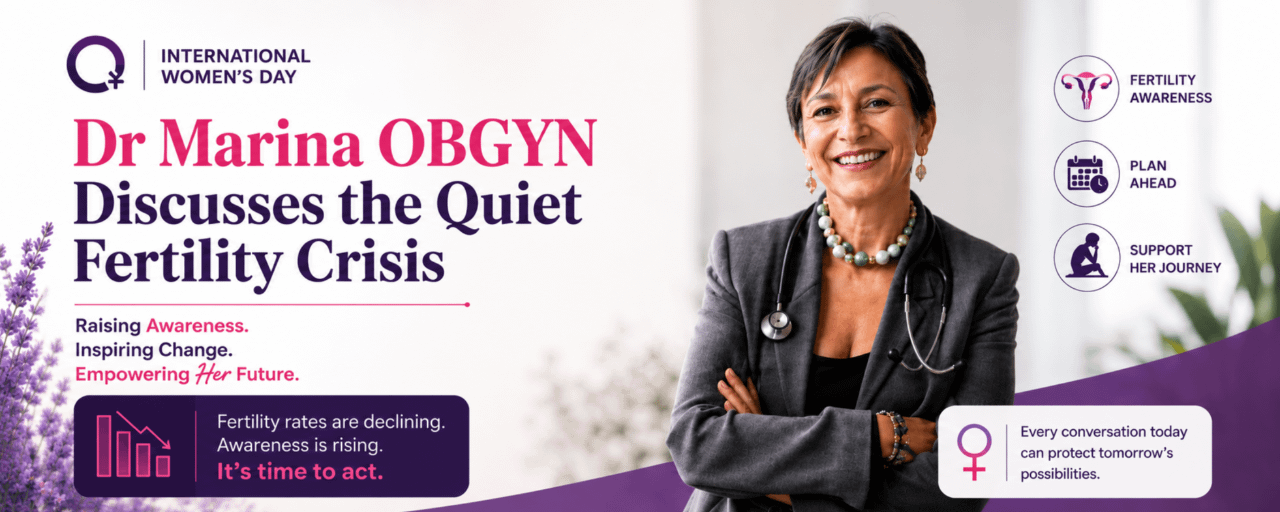
International Women’s Day celebrates the remarkable progress women have made
in education, leadership, medicine, business, and society. According to Dr
Marina OBGYN, these achievements deserve recognition and celebration. However,
alongside these successes, another important issue is quietly emerging across
many countries — declining fertility rates and growing reproductive challenges.
In Canada and many other developed nations, birth rates have continued to
fall below replacement levels. Economic pressure, rising housing costs, career
demands, financial uncertainty, and changing social expectations are causing
many young adults to delay parenthood. While these challenges are very real, Dr
Marina OBGYN explains that an important part of the conversation is often
missing: biology.
Modern society has evolved rapidly, but human fertility still follows the
same biological timeline it always has. Female fertility naturally begins to
decline during the early thirties and decreases more significantly after age
thirty-five. Many women are unaware of how strongly age can affect egg quality,
ovarian reserve, and natural conception chances later in life.

Dr Marina OBGYN emphasizes that reproductive technologies such as IVF can be
incredibly valuable, but they cannot completely overcome the biological effects
of aging. This is why fertility education and awareness should begin much
earlier, long before couples experience infertility struggles.
Fertility is also closely connected to overall health. Factors such as
stress, poor sleep, inflammation, metabolic health, environmental toxins,
nutrition, and hormone balance all influence reproductive wellness. Conditions
like insulin resistance and PCOS are becoming increasingly common and may
significantly affect fertility in younger women.
According to Dr Marina OBGYN, one of the biggest problems is the lack of
open conversation about fertility health. Many women assume they have unlimited
time, only to later discover that reproductive options become more limited with
age. Better education allows women to make informed decisions that align with
their personal goals, careers, and family plans.
Importantly, this conversation is not about
pressuring women into early motherhood. Instead, it is about empowering women
with accurate biological information so they can make choices confidently and
proactively.
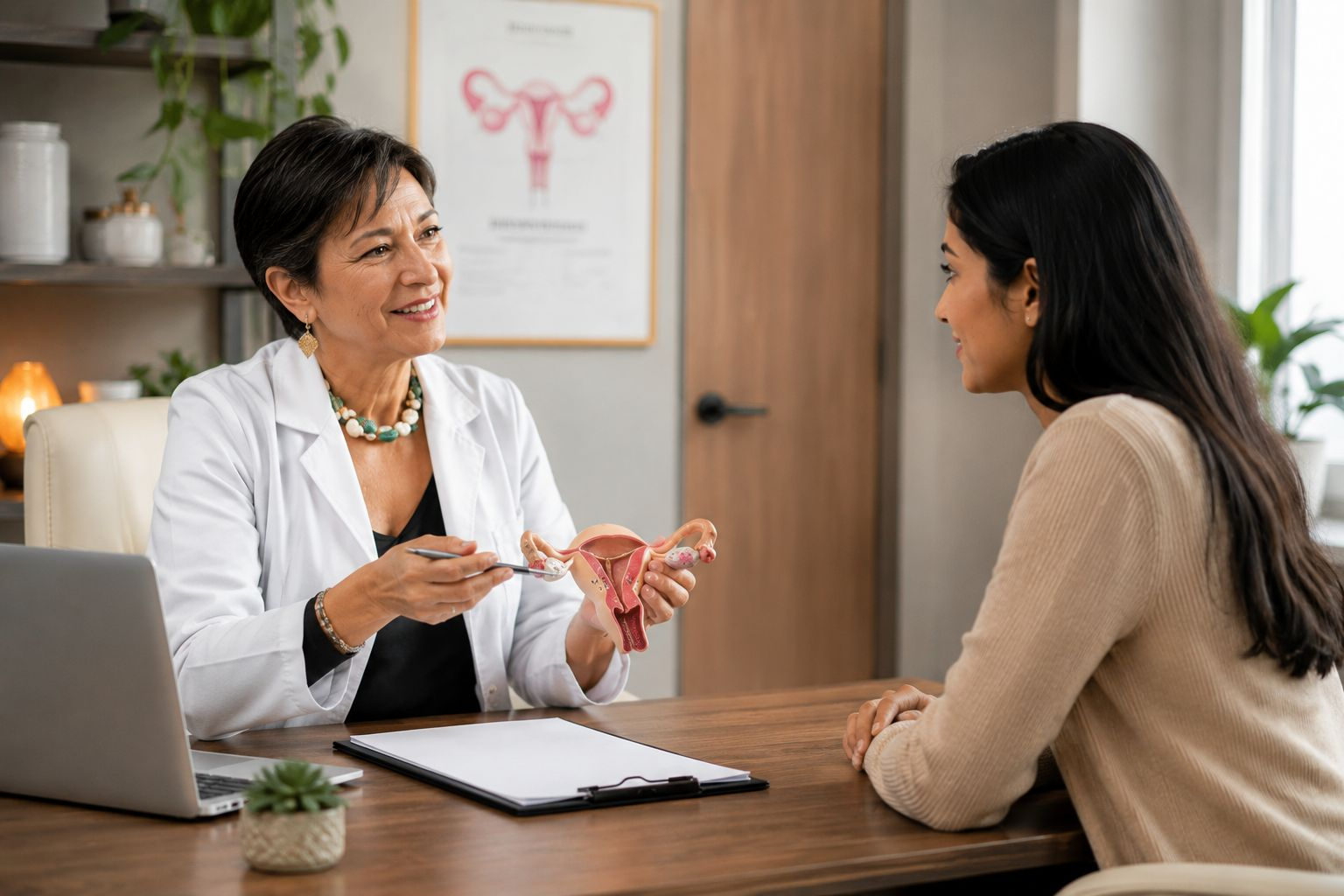
Dr Marina OBGYN believes fertility should be viewed as an important part of
preventive health. Improving nutrition, sleep quality, metabolic wellness,
stress management, and reducing environmental toxin exposure may help support
reproductive health naturally over time.
The declining birth rates seen today are not simply demographic statistics.
They reflect millions of deeply personal decisions influenced by economics,
culture, health, and biology. According to Dr
Marina OBGYN, women deserve honest conversations about fertility, reproductive
aging, and long-term health earlier in life.
Ultimately, International Women’s Day is not
only about celebrating opportunities for women — it is also about ensuring
women have the knowledge and education needed to protect their reproductive health
and make empowered choices for their future.