
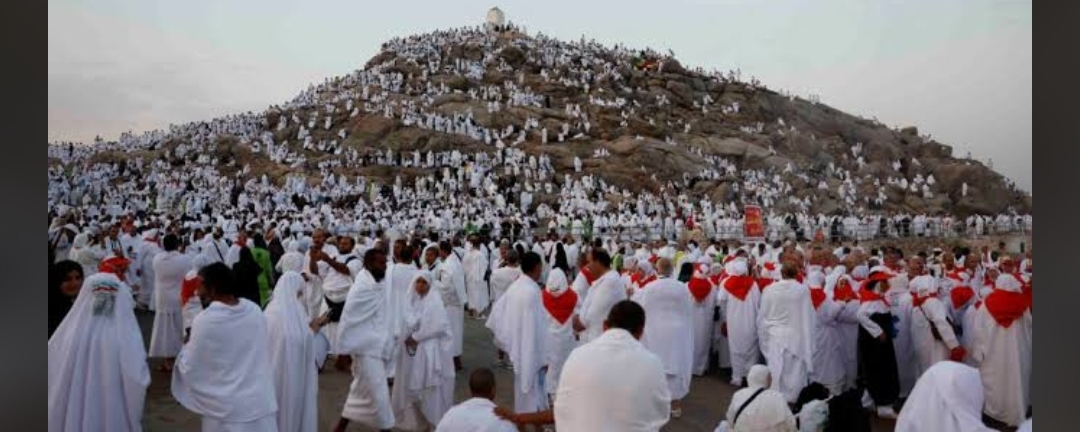
Often described as the "heart and soul" of the Hajj pilgrimage, Youm-e-Arafa occurs on the 9th day of the final Islamic month. It is the day when millions of pilgrims gather at the plain of Mount Arafat. The Prophet Muhammad (PBUH) explicitly underscored its weight by stating, "Hajj is Arafah." If a pilgrim misses the standing on this plain between noon and sunset, their entire pilgrimage is considered incomplete.
Why it Matters Globally
The Day of Perfection: It is the historical day on which the final verses of Surah al-Ma'idah were revealed, declaring that the religion of Islam had been perfected and completed.
A Global Clean Slate: For those physically standing on the mountain, it is a day of raw, emotional vulnerability where people pray intensely from midday to sunset. For the rest of the global Muslim community watching from home, fasting on this day is highly encouraged. The Prophet (PBUH) noted that fasting on Arafa expiates (wipes away) the sins of the preceding year and the upcoming year.
The Counterpart: Laylat al-Qadr vs. Youm-e-Arafa
To understand how days like this function structurally in Islamic practice, it helps to look at them side-by-side. Both are peak spiritual moments, but they operate through different atmospheres:
Core Rituals for Those at Home
If a person isn't standing on the rocky hills of Jabal ar-Rahmah (The Mountain of Mercy) on Youm-e-Arafa, the day is traditionally marked by a distinct spiritual routine:
The Fast of Purification: Starting from dawn (Suhoor) until the evening call to prayer (Maghrib).
The Recitation of the Master Supplication: Constantly repeating the phrase taught by the Prophet for this specific day:
> "La ilaha illa Allah, wahdahu la sharika lahu, lahul-mulk wa lahul-hamdu, wa Huwa 'ala kulli shai'in Qadir."
> (There is no deity except Allah, alone, without partner. To Him belongs dominion, and to Him belongs all praise, and He is over all things Omnipotent).
The Window of Acceptance: Dedicating the final hours before sunset exclusively to making personal prayers (Dua), as Islamic tradition highlights this specific window as a time when supplications are directly answered. $LUNC